
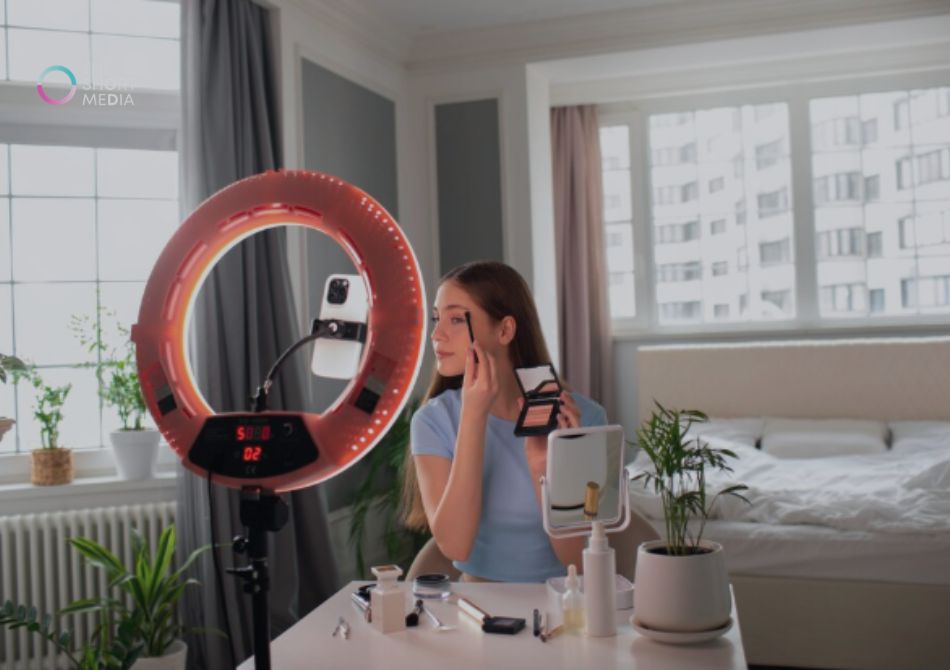
I’ve watched this happen more times than I can count: a brand posts a polished video they spent two weeks approving, and it goes nowhere. Then somebody on the team uploads a rough product demo filmed near the office coffee machine, with bad fluorescent lighting and a slightly awkward voiceover, and that one starts pulling comments, saves, and a weirdly strong click-through rate.
From the outside, TikTok can look chaotic. A little unfair, honestly. Especially if you’re a brand team trying to explain performance to a founder, a retail buyer, or a regional lead in the UAE who wants to know why one video took off and the next three died quietly.
But TikTok isn’t random. It’s just less forgiving of the habits marketers built on other platforms.
That’s usually the part people miss.
The feed isn’t rewarding polish. It’s rewarding signals.
A lot of brands still treat TikTok like a place to distribute finished creative. Nice edit. Approved script. Clean product shots. Maybe a trending sound added at the end because somebody remembered to ask.
That’s not really how the platform behaves.
TikTok is constantly testing content in small pockets, looking for signals. Not abstract “engagement” in the way people talk about social media in presentations. Actual behavior. Did someone stop scrolling? Did they replay a product demo because they missed a detail? Did they read the comments? Did they share it to a friend with “this is the pan I told you about”? Did they click, then bounce because the landing page felt off?
A TikTok Agency that understands this won’t obsess over making every asset look expensive. They’ll care more about whether the first second earns attention and whether the content creates enough curiosity to keep moving.
I’ve seen this with beauty brands in the US all the time. A founder talking directly to camera about why their concealer creases less under the eye often beats a glossy campaign cut. Not because “authenticity wins” in some vague way, but because viewers can immediately tell what the video is about, who it’s for, and whether they should keep watching.
That clarity matters more than polish. Usually by a lot.
What looks random is often just bad pattern recognition
When teams say TikTok is unpredictable, what they often mean is: “We haven’t figured out the pattern yet.”
That’s different.
The platform has patterns. They’re just not always the ones brand marketers are used to tracking. A video can have average views and still be useful because the comments expose objections your product page never answered. A creator ad can have a mediocre hook but still convert because the middle of the video shows the product in a believable setting. Kitchen counter. Car seat. Bathroom mirror. Real life helps.
This is where good tiktok marketing partners tend to separate themselves from agencies that are basically repackaging Meta habits.
The better teams look at:
- hold rate in the first few seconds
- comment quality, not just volume
- whether the payoff actually matches the hook
- how the product is introduced
- if the creator sounds like a person or like they memorized approved copy
That last one matters more than people think. You can almost feel when a creator has been forced to read a script too perfectly. The pacing gets stiff. The phrasing sounds like a landing page. Viewers may not articulate it, but they react to it fast.
Trends help, but timing matters more than trend-chasing
A lot of brands join trends late. Not a little late. Painfully late.
By the time legal approves the concept, sourcing signs off on claims, and someone in marketing asks for “one more version with stronger branding,” the trend has already moved on. What’s left is a video that feels borrowed.
This is one reason tiktok marketing partners are useful when they’re actually close to the work. Not just reporting on it after the fact. They can tell when a trend is worth adapting, when it’s already over, and when a brand should ignore it completely.
For example, a home products brand might do better with a simple “here’s how this actually fits in a small apartment kitchen” video than with a trend everyone has already seen 900 times. A food brand launching in US retail might get stronger results from a creator filming a taste test in their car after a Target run than from a heavily branded in-store montage.
The point isn’t to avoid trends. It’s to stop treating them like a shortcut.
A good TikTok Agency knows comments are part of the creative
This is one of the weirder things about TikTok if you come from traditional paid social. The comments can do half the selling.
Not always in a flattering way, either.
I’ve seen comments reveal that people thought a supplement was too expensive before the brand ever addressed serving size. I’ve seen skincare videos where viewers kept asking whether the product pilled under sunscreen, which told the team exactly what the next three videos needed to cover. I’ve seen a fitness brand discover, through comments, that people weren’t confused about the product benefits at all—they were confused about sizing.
A smart TikTok Agency pays attention to that stuff and feeds it back into content quickly. Not next quarter. Not after a big strategy deck. This week.
That’s also why strong tiktok marketing partners don’t separate organic learning from paid media planning as if they’re unrelated. If comments keep surfacing the same objection, your ad creative should probably answer it. Pretty simple.
Why some “low quality” videos outperform expensive campaigns
Because they’re not actually low quality. They’re just optimized for the environment they’re in.
There’s a difference.
A handheld demo of an Amazon kitchen gadget can outperform a studio shoot because it answers the exact questions a shopper has in the first five seconds: What is it? How big is it? Does it actually work? Is cleanup annoying? You don’t need a cinematic reveal for that.
Same with local services. A med spa, dentist, or home cleaning company often gets better traction showing a real staff member explaining one specific thing people hesitate about than posting a generic brand reel. In the UAE, especially in competitive service categories, that kind of clarity can carry a lot more weight than polished “awareness” content.
The same logic applies to DTC brands. A product demo filmed in a kitchen often beats studio content because kitchens are where people imagine using the product. That context does some of the persuasion for you.
The better tiktok marketing partners know how to build around those small realities instead of fighting them.
The algorithm is picky, not magical
People talk about the algorithm like it’s some mysterious force with moods. It’s really more mechanical than that, though not always easy to predict at the individual post level.
TikTok tests content. It watches for response. It expands distribution when people give it enough reason to. That doesn’t mean every strong video will scale forever, and it definitely doesn’t mean every weak video failed because the algorithm “hated” your account.
Sometimes the hook was too vague. Sometimes the product reveal came too late. Sometimes the creator looked uncomfortable. Sometimes the video was built around a joke the audience didn’t care about. Sometimes the landing page killed momentum after the click. That happens more than teams admit.
Good tiktok marketing partners don’t reduce all of this to “just make native content.” That advice is too broad to be useful. Native for whom? Beauty shoppers? Parents? Gym audiences? UAE retail buyers? There are different content expectations inside the same platform.
That’s where experience matters.
What brands should actually do instead of calling TikTok random
Start smaller. Test more angles. Stop trying to make every post represent the whole brand.
That pressure ruins content.
A better approach is to build around repeated viewer questions, creator formats that feel believable, and product moments that are easy to understand without sound. Then watch what earns retention and what earns curiosity. Not just what gets vanity metrics.
This is usually where a TikTok Agency earns its keep. Not by promising virality. By creating a process that turns messy platform behavior into usable creative direction.
And if you’re choosing between agencies, ask how they work with creators, how quickly they can iterate, what they do with comment insights, and whether they can explain why a rough video outperformed a polished one without hiding behind buzzwords. The stronger tiktok marketing partners can answer that in plain English.
Because TikTok only feels random when you’re looking at results without looking at behavior.
Once you start reading the signals, it gets a lot less mysterious. Still messy, sure. Still humbling. But not random.
FAQs
Q1:Why do rough TikTok videos sometimes beat polished brand ads?
Usually because they get to the point faster and feel more believable in-feed. A clean studio ad can work, but if it takes too long to explain the product or feels too scripted, people scroll.
Q2: How often should brands post on TikTok?
More often than most internal approval processes allow, honestly. Consistency helps, but volume only matters if you’re testing different hooks, formats, and creator styles instead of posting the same idea over and over.
Q3: Do brands need creators to succeed on TikTok?
Not always, but creators help a lot when the product needs a human explanation. Especially for beauty, food, fitness, and home products where demonstration and tone matter.
Q4: What should a TikTok Agency actually be doing?
They should be helping with creative testing, creator sourcing, paid amplification, comment mining, and post-level analysis that leads to better next-round content. If they’re mostly sending generic reports, that’s not enough.
Q5: Are trends necessary for performance?
No. Sometimes they help. Sometimes they make a brand look late and awkward. A useful product demonstration or a sharp point of view can carry more weight than a trend adaptation that arrived two weeks too late.