
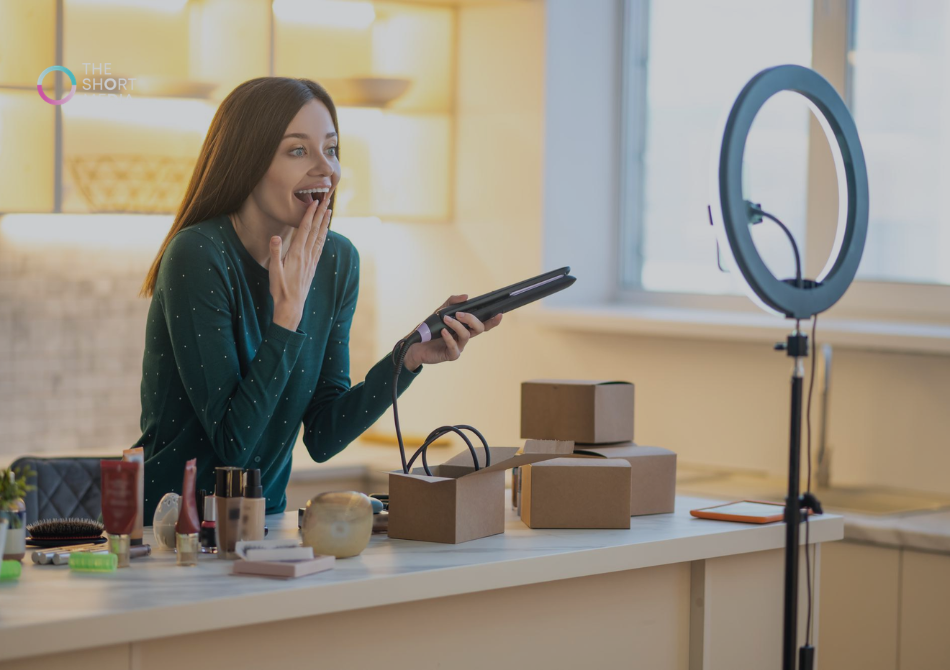
A lot of brands walk into TikTok with the same expression: mildly skeptical, slightly annoyed, and pretty sure it’s going to be a mess.
I’ve seen it with beauty founders who assume the app is too young for their buyer, home product brands that think nobody wants to watch a mop demo, and local service businesses that can’t imagine someone booking after seeing a short video between recipe clips and dog content. Then the campaign goes live, a scrappy creator video filmed near a kitchen window starts pulling efficient conversions, and suddenly the internal Slack tone changes.
That gap between expectation and actual performance is pretty common. TikTok Ads tend to surprise teams because they don’t behave like polished paid social from five years ago. They’re less dependent on looking “premium” and more dependent on whether the creative feels native enough to earn a second of attention. That sounds simple. It isn’t. But when a brand gets it right, results can come faster than expected.
The reason TikTok Ads often beat early forecasts
A lot of marketers still benchmark TikTok against Meta habits. Same briefing style, same approval process, same creative instincts. That’s usually where the underestimation starts.
On TikTok, the ad doesn’t need to look expensive. In plenty of cases, expensive is the problem. I’ve watched a studio-shot product launch for a wellness brand get outperformed by a creator casually explaining the product from her car. Not because the car video was “authentic” in some abstract way. It was because she sounded like a person who had actually used it. The polished version sounded like legal had reviewed every word three times.
That matters. TikTok Ads work well when they match the pace and tone of the feed without becoming lazy or random. A beauty brand in the US might spend weeks perfecting campaign visuals, only to find that a simple “get ready with me” style clip drives stronger click-through because it shows texture, wear, and actual use. A food brand might discover that a handheld video of someone making a late-night snack performs better than a glossy tabletop ad. People don’t need perfection there. They need enough interest to stop scrolling.
A good tiktok ads agency usually fixes the wrong assumptions first
If you hire a tiktok ads agency, the best value often isn’t media buying alone. It’s getting someone in the room who knows what *won’t* work before you waste budget proving it.
A decent team will usually spot a few common problems right away:
- the hook takes too long
- the script sounds approved instead of believable
- the offer is buried
- the brand is chasing a trend that peaked two weeks ago
- the landing page answers the wrong objections
That last one gets missed a lot. Comments on TikTok Ads can be brutally useful. You’ll see people asking about sizing, ingredients, shipping speed, compatibility, or whether the thing actually works on curly hair, apartment walls, sensitive skin, whatever the real friction is. Sometimes the ad is fine and the sales page is the weak link.
For UAE-based brands selling into broader markets, or regional businesses trying to build demand locally, this gets even more interesting. Audiences in the UAE are used to fast-moving mobile content, and there’s a strong mix of expat and local consumer behavior. A tiktok ads agency that understands regional nuance can help avoid awkward creative choices, especially with language, humor, and who appears on camera. Small thing, big difference.
TikTok rewards specificity, not brand theater
This is probably the biggest reason performance surprises people.
A lot of paid social still gets built around broad positioning. Nice words. Clean message. Brand-safe visuals. On TikTok, specific beats broad more often than not.
A fitness brand saying “supports recovery” is fine. A creator saying, “I used this after leg day because my calves were wrecked and I didn’t want another foam roller situation,” is usually stronger. A home product ad that says “easy storage solution” is forgettable. Show someone in a tiny apartment trying to store a vacuum behind a door, now you’ve got something.
The strongest TikTok Ads usually have one clear human angle:
a frustration, a use case, a visible result, a comparison, a little confession, something.
That’s why DTC brands and Amazon-focused sellers often do well here once they stop overproducing. A kitchen gadget filmed in an actual kitchen, with bad overhead lighting and a believable voiceover, can beat a clean studio setup. I’ve seen that happen more than once. Same product. Same offer. Very different feel.
The algorithm helps, but creative does the heavy lifting
People like to talk about targeting and algorithmic delivery as if TikTok is doing all the work. It’s not. The platform can find pockets of attention quickly, sure, but weak creative still burns out fast.
When TikTok Ads perform better than expected, it’s often because the brand tested enough variations to find a real angle. Not just color changes or caption swaps. I mean actual creative differences:
Different hooks change everything
A hook built around price will attract one audience. A hook built around embarrassment, convenience, or comparison can attract a completely different one.
For example, a local service brand in the US — say mobile car detailing — might test:
- a satisfying before-and-after
- a founder explaining what people usually miss when cleaning interiors
- a customer reaction video
- a clip focused on pet hair, which, honestly, is often the thing that gets people moving
One of those will usually outperform the rest by a lot. Sometimes the winner isn’t the one the brand expected.
Creator delivery matters more than brands admit
You can feel when a creator is reading. Everyone can. The pacing gets weird, the emphasis lands in the wrong places, and suddenly the ad feels like an ad in the bad sense.
A smart tiktok ads agency won’t just source creators with the right look. They’ll find people who can talk naturally without sounding like they memorized bullet points 10 minutes earlier. That’s a real skill. And it affects performance.
Comments become market research
This part is underrated. TikTok Ads generate useful feedback fast, especially for products with any learning curve or skepticism around them. A skincare brand might learn that people are confused about routine order. A supplement company might realize everyone wants to know if it causes jitters. A home goods brand might see repeated concerns about assembly.
That comment section can shape the next five ad iterations better than a polished strategy deck.
Why brands in crowded categories often get a lift
If you’re selling in beauty, food, fitness, home products, or other crowded categories, TikTok can be unexpectedly efficient because the platform gives more room for angle-based differentiation.
On search, you’re often competing on intent and price. On Meta, you may be fighting creative fatigue inside a familiar ad pattern. With TikTok Ads, a smaller brand can win attention with a sharper point of view or a more watchable demo.
A retail launch for a new snack brand, for instance, might struggle with standard static ads. Put the product in a taste-test format with honest reactions, and now people are discussing flavor, texture, and where to buy it. That momentum matters. Same with beauty. A founder-led explainer about why a formula doesn’t pill under sunscreen can outperform a much prettier ad because it addresses a real annoyance buyers already have.
That’s also why a tiktok ads agency can be useful for brands that aren’t naturally “fun.” Not every company has an obvious entertainment angle. Some need help finding the practical tension that makes someone care.
The brands that struggle usually make the same few mistakes
Not every campaign wins. Some don’t even get out of the gate. Usually it comes down to a handful of issues.
They treat TikTok like a place to repurpose leftovers
Old Meta ads cut into vertical format. TV-style scripts. Product shots with generic text overlays. It shows.
They approve creative too slowly
By the time the ad is live, the sound is overused, the joke feels stale, or the cultural moment has passed. You don’t need to chase every trend, but timing does matter.
They confuse messy with native
Native doesn’t mean careless. The best TikTok Ads feel natural, but they still have structure. Clear hook. Clear point. Clear next step.
They expect one ad to do everything
Awareness, education, objection handling, social proof, conversion. That’s too much for one short video. Better to build a small system of creatives that each do one job well.
A seasoned tiktok ads agency will usually push for volume here, because one polished hero asset is rarely enough.
A quick note on expectations
Part of why TikTok outperforms expectations is that many teams still enter with low confidence. They assume the platform is chaotic, too trend-driven, too young, too risky for serious acquisition. Sometimes that caution is fair. Plenty of bad creative goes live every day.
But when the brand has a real offer, fast feedback loops, and creative that sounds like a person instead of a committee, TikTok Ads can produce stronger results than the forecast suggested. Not magically. Just because the ad actually fits the environment people are in.
That’s less glamorous than people want it to be. But it’s usually the truth.
FAQs
Q1: Do TikTok ads only work for products that look good on camera?
Not really. Visual products have an easier starting point, sure, but “boring” offers can still work if the angle is right. I’ve seen local services, supplements, cleaning tools, even fairly unsexy home items perform well when the ad shows a specific problem getting solved.
Q2: How many creatives should a brand test at the start?
More than most teams are comfortable with. Four to six is a decent minimum, and they should be genuinely different, not the same script with slightly different captions.
Q3: Is it better to use creators or in-house brand videos?
Usually both. Creator content often feels more natural in-feed, while in-house footage can be useful for demos, proof, and retargeting. If you only use one style, you’ll probably miss something.
Q4: What does a tiktok ads agency actually do beyond media buying?
A good tiktok ads agency helps shape hooks, briefs creators properly, spots weak landing page alignment, and builds a testing rhythm. The media buying matters, but creative judgment is usually where the real value shows up.
Q5: Are TikTok Ads worth it for UAE businesses?
For many of them, yes, especially if the audience is mobile-first and the business can produce localized creative. The UAE market moves quickly, and content that feels imported without adaptation can fall flat, so regional awareness helps.