
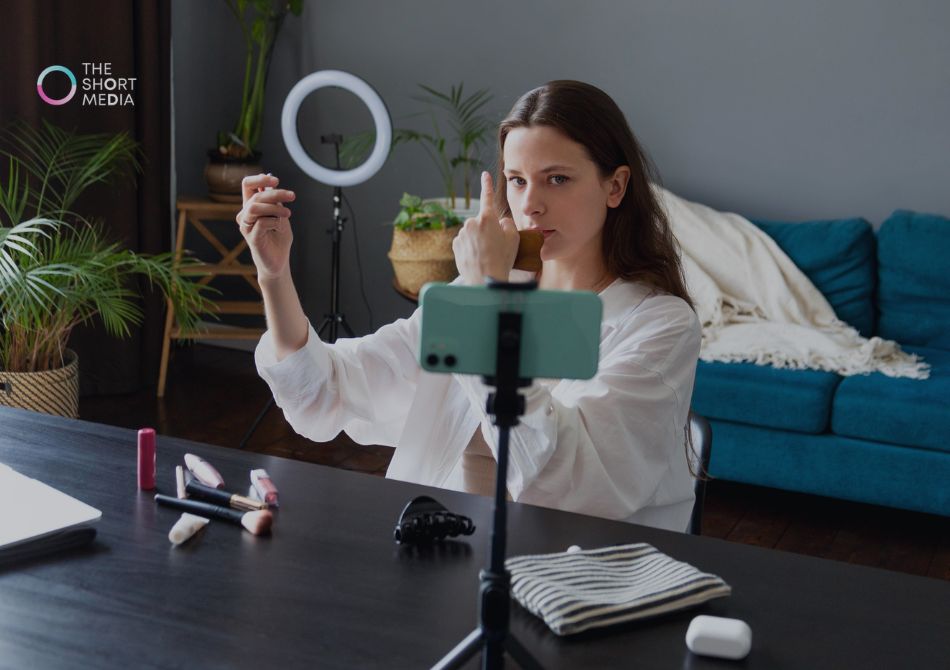
I’ve watched brands spend $20,000 on a polished video shoot, only to get outperformed by a creator filming a product demo next to a sink with bad overhead lighting. Not every time, obviously. But enough times that it stops feeling like a fluke.
That’s the tension with TikTok. A lot of teams still walk into it with Instagram instincts or old paid social habits. They want the hero video, the clean backdrop, the perfect edit, the carefully approved script. Then the ad goes live and the comments are dead, watch time falls off early, and the CPM isn’t the problem everyone hoped it was. The content just feels... too finished.
That doesn’t mean production quality is useless. It means TikTok rewards a different kind of credibility. And if you’re working with a tiktok media agency, or trying to build an in-house content system, that distinction matters more than most brands expect.
The polished ad problem nobody likes to admit
A lot of high-end TikTok creative fails for a pretty simple reason: it announces itself as an ad too quickly.
People scroll fast. They’ve developed a weirdly accurate radar for content that was overworked in a conference room. You can feel it in the first two seconds. The line delivery is too clean. The camera movement is too intentional. The creator sounds like they memorized legal-approved copy and then tried to smile through it.
I’ve seen this with beauty brands in the US constantly. A skincare company sends a creator a detailed talking-point sheet, insists on exact phrasing around ingredients, then wonders why the video feels stiff. Meanwhile, another creator films herself trying the cleanser after the gym, says “okay, this is actually not stripping my skin,” and that version gets stronger saves, better comments, and cheaper click-through traffic.
That’s where tiktok brand marketing starts to separate from regular social content production. The goal isn’t to look cheap. The goal is to look believable.
Authenticity doesn’t mean low effort
This part gets misunderstood a lot. Some teams hear “authentic” and assume they should just hand an iPhone to an intern and hope for the best. That’s not really the move.
The content that works usually has structure. It just doesn’t feel overproduced.
A good piece of TikTok creative still needs:
- a strong opening line
- a clear visual point of view
- a reason to keep watching
- some actual product context
- editing that doesn’t drag
The difference is in how it’s packaged. Good tiktok promotion services know how to shape content without sanding off the human parts. A pause that feels natural. A slightly messy kitchen counter in the background. A product explanation that sounds like something a person would actually say to a friend.
I’ve seen home product brands learn this the hard way. One DTC kitchen brand ran glossy launch videos with cinematic lighting and neat countertop styling. Fine, but flat. Then they tested a creator video filmed during actual meal prep, with oil splatter, cabinet noise, and a quick “I didn’t think I’d care about this feature, but here we are.” That version carried the campaign.
Not because it was sloppy. Because it felt lived in.
Why tiktok brand marketing works better when it feels native
Native is one of those words agencies overuse, but on TikTok it still matters. A lot.
If a video feels like it belongs in the feed, people give it a little more grace. They’ll watch. They’ll read comments. They’ll argue with it, even. That’s useful. Some of the best creative strategy work comes from comment sections, honestly.
A fitness brand might think its resistance bands need more benefit-driven copy on the landing page. Then TikTok comments reveal the real objection: people think the bands will roll up or snap. Suddenly the next round of creative changes. More tension tests. More close-up demos. Less polished voiceover.
That’s practical tiktok brand marketing. Not trend-chasing for the sake of it. Listening to what the audience is actually reacting to and building from there.
And timing matters. I’ve seen brands jump on a trend two weeks too late because someone had to approve every line through three departments. By then, the format already felt tired. A decent tiktok media agency will usually push back on that kind of delay, because speed is part of the creative advantage.
High production can create distance
This is especially true for products that need trust before they need aspiration.
Take food brands. If you’re launching a new sauce, snack, or frozen product in the US market, the content that tends to move people is often simple: someone opening it, tasting it, reacting in real time, maybe showing how they actually use it on a weeknight. Not a dramatic table spread with perfect steam effects.
Same with Amazon products. A studio ad for a storage organizer can look nice, sure. But a cluttered-before, practical-after demo filmed in a real bedroom often does more. People don’t need a lifestyle fantasy for every purchase. Sometimes they just want proof that the thing works.
This is where tiktok promotion services can be genuinely useful, especially for brands that are used to polished launch campaigns. The better teams don’t just buy media. They help brands adjust their expectations around what “good creative” looks like on the platform.
A creator who sounds too perfect usually underperforms
That’s one of those small things you notice after enough campaigns.
When a creator nails every line exactly as written, the result often gets weaker performance than the take where they stumble a little, rephrase something, or add a personal aside. Not always. But often enough that I’d rather have a convincing imperfect read than a flawless robotic one.
I once worked on a campaign for a wellness product where the brand loved the most polished cut. Beautiful framing, clean captions, every benefit included. The rougher version had a creator saying, “I thought this was going to be one of those products I use twice and forget about.” Slightly awkward line. Very human. It won.
That’s the sort of thing a smart tiktok media agency should be protecting in the review process, not editing out.
What brands in the UAE should pay attention to
If you’re marketing in the UAE, the same core rule applies, but with a little more nuance around audience mix, language, and cultural context. Dubai-based brands especially can fall into the trap of making everything look premium because the market is visually polished. Luxury aesthetics are everywhere. But TikTok users still respond to content that feels personal and immediate.
For a local service brand, that might mean a founder talking plainly about a common customer problem instead of cutting a glossy brand film. For a beauty retailer, it could be a bilingual creator showing a real in-store shade test rather than a perfect campaign asset. For food and hospitality, behind-the-scenes prep clips or staff picks often land better than highly art-directed promo edits.
Good tiktok brand marketing in the UAE usually respects the market’s style without becoming stiff. That balance matters.
tiktok promotion services are only as good as the creative instincts behind them
Some agencies still treat TikTok like a placement, not a content environment. They’ll take existing Meta ads, trim them vertically, add captions, and call it strategy. That’s not strategy. That’s formatting.
Strong tiktok promotion services usually include creator sourcing, concept testing, fast iteration, comment mining, and a realistic understanding of what people will actually watch. They know a studio shoot can be useful for certain moments, but they don’t build the whole channel around polished assets.
And the testing has to be honest. Not “we changed the hook text color and tested three variants.” Real testing. Different openings. Different creator energy. Different levels of product explanation. Different settings. A founder talking in the stock room might beat a paid creator in a pristine apartment. Happens all the time.
So what should brands actually do?
Start with content that proves the product in a believable setting.
If you sell skincare, show texture, routine placement, and real objections. If you sell snacks, show taste reaction and context. If you sell home goods, show setup, friction, and what changed after using it. If you’re a local service business, explain the problem you solve in the language customers actually use, not brochure copy.
Then build a system around that. Not a one-off shoot. A repeatable flow of concepts, creators, edits, and learnings.
A solid tiktok media agency can help if they understand that the job isn’t to make TikTok look expensive. It’s to make it feel credible enough to earn attention.
And honestly, that’s the part some brand teams still resist. Authentic content can feel less controllable. It’s a little rougher around the edges. The countertop isn’t spotless. The line isn’t perfectly on-message. The creator laughs halfway through a sentence.
Sometimes that’s exactly why it works.
FAQs
Q1: Does high-end production ever work on TikTok?
It does, especially for bigger launches, entertainment-led campaigns, or brands with strong visual identity. But even then, the content usually needs some looseness to it. If it feels too much like a commercial break, performance can drop fast.
Q2: Should every TikTok video look casual?
Not really. Casual is not the same thing as effective. Some videos need tighter pacing, stronger editing, or cleaner visuals. The point is that the content should feel native to the platform, not overly manufactured.
Q3: How can a brand keep content authentic without losing control?
Set guardrails instead of scripting every word. Give creators the product truth, the claims they can make, and the points that matter, then let them phrase it naturally. You’ll usually get better delivery that way.
Q4: Are creator videos better than brand-produced videos?
A lot of the time, yes, but not automatically. A creator who doesn’t understand the product can do just as much damage as a stiff brand ad. The strongest setup is usually a mix of brand direction and creator interpretation.
Q5: What should I look for in a tiktok media agency?
Look at how they talk about creative, not just media buying. If they’re obsessed with iteration, hooks, creators, and comment insights, that’s a good sign. If they mostly show polished case study decks and generic ad jargon, I’d keep looking.