
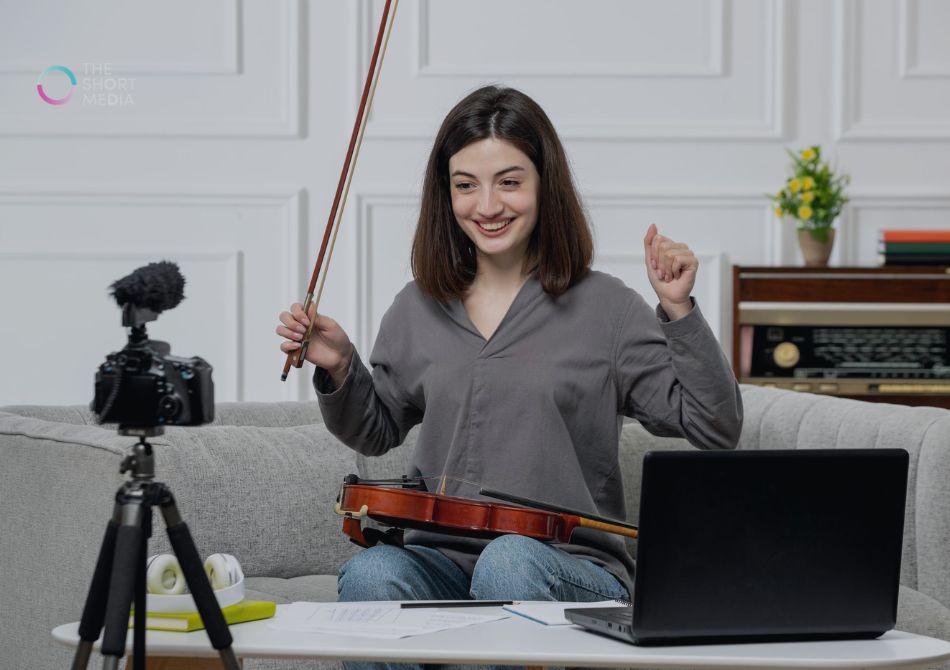
I’ve watched a product demo filmed on a cluttered kitchen counter beat a polished studio ad by 4x on click-through rate.
Not once, either. More than once. A protein powder brand in the US tested a creator-style video with bad overhead lighting, a half-missed line, and a very real “wait, let me show you this” moment. It pulled comments, saves, and cheap traffic. The studio version looked expensive and felt expensive too. People scrolled right past it.
That’s part of why TikTok has quietly become one of the sharpest places to test offers, hooks, creators, landing page angles, and even product-market fit. Not because it’s magic. Mostly because the feedback loop is fast, the creative volume can be high without a full production circus, and users tend to tell you exactly what they think in the comments. Sometimes a little too exactly.
For brands trying to make sense of paid social right now, tiktok ads for business are less about “being on TikTok” and more about learning quickly before you waste media spend elsewhere.
Why TikTok gives you answers faster than most platforms
A lot of channels are good at scaling once you already know what works. TikTok is unusually good at helping you figure out what works in the first place.
That matters. Especially for DTC brands, Amazon sellers, beauty launches, meal brands, supplements, and even local services that need to test messaging before they commit bigger budgets.
With tiktok business ads, you can put different creative angles into market fast. Not six weeks from now. This week. Sometimes today. You can test a product demo, a problem/solution script, a founder-led explainer, a UGC testimonial, and a price-led offer without building a giant campaign structure around each one.
And the responses are rarely subtle.
If your hook is weak, you’ll see it in watch time. If your product promise is confusing, comments will tell you. If your sales page ignores a key objection, TikTok users will drag that into the open in a few hours. I’ve seen comments on a home cleaning product ad reveal the real issue wasn’t price at all. It was whether it worked on pet stains. The landing page barely mentioned it. The next round of creative did, and performance improved.
That’s what makes tiktok business ads useful beyond simple media buying. They expose gaps.
tiktok ads for business work best when you treat them like a lab
This is where some teams get stuck. They go in expecting a finished campaign when they should be building a testing system.
The brands that usually get more from tiktok ads for business aren’t always the ones with the biggest budget. They’re the ones willing to test ugly first drafts, slight variations in framing, and different creator voices without overthinking every asset.
A few things tend to work well for testing:
Start with angles, not just creatives
Creative fatigue gets blamed for everything. Sometimes the issue is that all five videos are saying the same thing.
For tiktok business ads, I’d rather test five different angles than five edits of one script. For a skincare brand, that might mean:
- acne results
- texture/finish
- dermatologist framing
- morning routine fit
- “I didn’t expect this to work” creator story
Same product. Different entry points.
A lot of brands skip this and end up arguing about thumbnails when the message itself is the problem.
Put creators in situations that feel real
Not fake-real. Real-real.
A creator reading a script too perfectly usually tanks. You can almost feel the approval chain on it. The best-performing pieces often have a little friction in them: someone opening Amazon packaging on a bed, a gym creator mixing a supplement in a car cupholder, a mom showing a stain remover in the laundry room while the kids are making noise in the background.
That doesn’t mean low effort. It means believable context.
With tiktok business ads, context does a lot of the persuasion that polished copy used to do.
Test comments and objections as creative prompts
This is one of the more underused moves. Read the comments like a copywriter, not just a community manager.
If people ask whether a meal delivery brand is worth the price, make a video about cost per serving. If they think your beauty product only works under a filter, film it in daylight. If a local med spa keeps getting asked about downtime after a treatment, that’s your next hook.
Some of the best tiktok business ads don’t come from brainstorm decks. They come from slightly annoyed users asking fair questions.
What brands in the US are actually testing on TikTok
Not just “awareness.”
That word gets stretched too much. In practice, brands are using TikTok to test very specific things.
A beauty brand launching at Target might test whether “sensitive skin safe” beats “makeup that lasts all day.” A food brand might compare a recipe-first video against a straight taste reaction. A fitness app may find that the strongest hook isn’t body transformation at all, but “I need a workout that fits between meetings.”
I’ve seen Amazon-focused brands use tiktok business ads to figure out which product benefit deserves the first image in the listing. I’ve seen home product companies test bundles before changing their PDPs. One candle brand learned that customers cared less about scent notes than how long the candle lasted in a small apartment. That wasn’t obvious from the original branding work.
Even local businesses can use this well. A dental practice or aesthetic clinic in the UAE, for example, can test whether people respond more to treatment education, before-and-after explanations, or staff personality. You don’t need national scale to learn something useful.
The platform is messy. That’s part of the value.
TikTok doesn’t always hand you clean, neat learnings. Sometimes a video wins for reasons your team doesn’t want to admit.
Maybe the founder on camera outperformed the hired creator. Maybe the “less on-brand” edit got cheaper conversions. Maybe the video with the awkward first three seconds still held attention because the product demo was genuinely interesting. I’ve seen a retail launch creative take off mostly because the comments turned into a sizing guide the brand forgot to provide.
That messiness is annoying if you want tidy reporting. It’s helpful if you actually want signal.
tiktok ads for business can be especially strong at the top and middle of the funnel when your team is still figuring out positioning. Not every winning test becomes a long-term evergreen ad. That’s fine. Sometimes the value is learning what to say on Meta, Amazon, your PDP, email, or even in-store signage.
Where teams usually waste money on tiktok business ads
Usually, it’s not because the platform “doesn’t work.” It’s because the setup is too rigid.
A few common problems show up again and again:
They test too little creative
Three videos isn’t much of a test. Especially if all three came from the same brief and sound nearly identical. Good tiktok business ads testing needs range.
They over-edit the content
When every pause gets cut out and every line sounds approved by legal, performance tends to flatten. Not always. But often enough that it’s worth saying.
They ignore the landing page mismatch
A strong TikTok ad can still fail if the page feels like it belongs to another brand. I’ve seen snack brands run playful creator content into stiff, generic product pages and then blame traffic quality.
They join trends late
This one’s painful because it’s so common. A brand sees a format working, spends two weeks discussing it internally, and launches after users are already tired of it. By then, the creative feels borrowed.
That’s another reason tiktok business ads reward teams that move quickly and don’t need every asset to be precious.
tiktok business ads are getting smarter because marketers are
The platform itself matters, sure. But what’s really changed is how good teams are using it.
They’re not treating TikTok as a place to dump repurposed Meta ads. They’re using it to pressure-test ideas before scaling them elsewhere. They’re looking at hold rate, thumb-stop power, comment themes, creator fit, offer clarity, and on-site behavior together. Not in isolation.
That’s why tiktok ads for business deserve a more serious look from brands that care about learning, not just impressions. If your team needs a faster way to test messaging, creators, product education, and offer framing, TikTok is often the quickest read you’ll get.
Not perfect. Not always predictable. But smart, if you use it that way.
FAQs
Q1: Is TikTok really useful for testing if my brand isn’t “fun” or trendy?
It can be. Some of the best tests come from practical categories like cleaning products, supplements, kitchen tools, or local services. You don’t need to dance around the office. You need a clear angle and a believable way to show it.
Q2: How much budget do I need to start testing?
You don’t need a massive spend to learn something. A modest budget can tell you which hooks, creators, or offers deserve more investment. What matters more is having enough creative variation to compare, not putting all your money behind one video.
Q3: Are tiktok business ads better for awareness or conversions?
Depends on what you’re selling and how strong the offer is. For many brands, TikTok is excellent for finding winning messaging and creative themes, then pushing harder on conversion once those signals are clear. For lower-priced products with obvious demos, it can convert directly pretty well.
Q4: What kind of creative usually works best?
Usually the stuff that feels like it belongs in the feed. Product demos, creator reviews, objection-handling videos, side-by-side comparisons, or simple “here’s what happened when I tried this” formats tend to give you better testing value than polished brand films.
Q5: Should I use influencers or make content in-house?
Both can work. In-house content is often faster for testing offers or objections. Creators are useful when you need different faces, tones, or audience fit. Just don’t hand them a script that sounds like it came from a boardroom. That rarely ends well.