
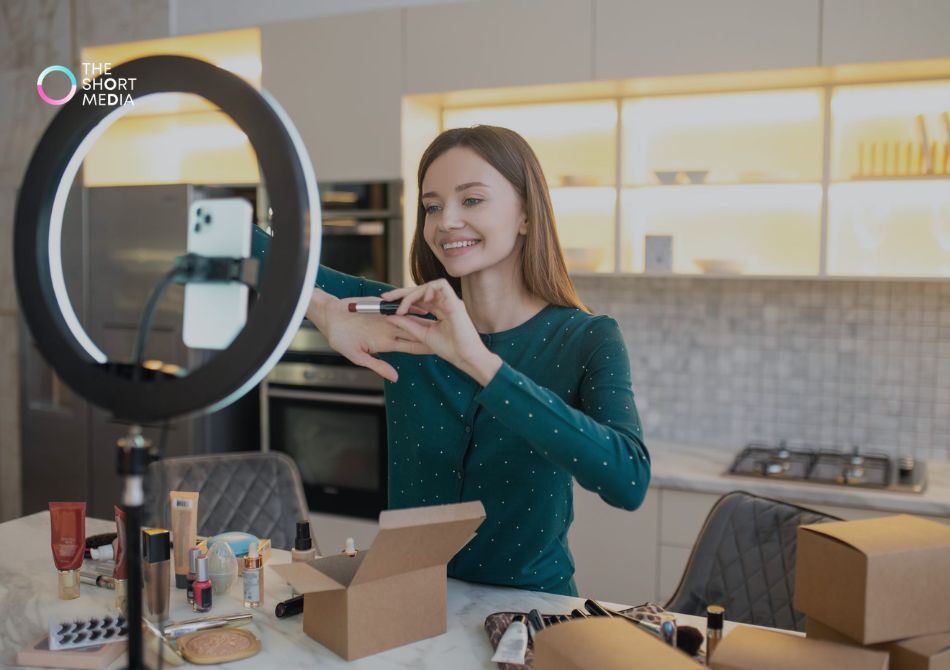
A few months ago, I watched a decent product video flop for a home brand that had every reason to do well. Clean lighting. Nice edit. Clear value prop. It looked like an ad because, well, it was an ad. Meanwhile, a scrappy clip shot on a founder’s phone in a slightly messy kitchen pulled comments, saves, and sales. Same product. Same week. Totally different result.
That’s the part some brands still resist.
TikTok isn’t just another place to repost campaign assets and hope for reach. It has its own pace, its own taste level, its own way of surfacing what people actually care about. And if you’re a brand trying to grow in the US or the UAE, ignoring that is getting expensive.
Why brands keep underestimating TikTok
A lot of teams still treat TikTok like a side experiment. Someone on social posts three videos, maybe boosts one, and then the channel gets labeled “unpredictable.” I’ve seen this happen with beauty brands, meal brands, fitness apps, even local service businesses that would absolutely benefit from being more visible in-feed.
The issue usually isn’t the platform. It’s the way the work is set up.
TikTok rewards relevance faster than polish. That sounds obvious until you see a retail brand approve a trend adaptation two weeks too late, or a creator deliver a script so perfectly that it loses any trace of actual personality. The content may be technically fine. It just doesn’t feel native.
For brands that want real traction, tiktok marketing services have become less of a nice extra and more of an operating need. Not because every company needs a massive content engine, but because TikTok asks for a different workflow than Meta, YouTube, or even Instagram Reels.
A good TikTok presence usually looks a little less “brand safe”
That’s not the same as being sloppy. It means the content feels like it belongs in the feed.
A skincare brand might get stronger performance from a creator showing texture in bathroom lighting than from a glossy studio shoot. An Amazon product demo filmed on a kitchen counter can beat a polished launch video if the first three seconds are sharper and the use case is clearer. I’ve seen comments on those rougher videos reveal objections the product page never addressed — things like size confusion, refill questions, whether the item works on dark countertops, whether the scent is too strong. Useful stuff. Stuff that helps sales.
This is where a tiktok marketing agency can actually earn its fee. Not by making everything trendier for the sake of it, but by building a system that catches those signals and turns them into better creative.
A strong tiktok marketing agency usually helps with:
- creator sourcing that doesn’t feel random
- ad creative that doesn’t look like resized Instagram content
- testing hooks fast enough to matter
- comment mining and audience feedback
- paid and organic coordination, which a lot of brands still separate too much
That last point matters more than people think. If your paid team is running conversion ads while your organic team is posting stiff lifestyle clips with no point of view, you’re leaving insight on the table.
The brands seeing results aren’t always the biggest ones
Some of the most interesting TikTok wins come from smaller brands with fewer approval layers.
A DTC snack brand can post a founder reaction, a warehouse packing clip, a blunt taste-test comparison, and a customer stitch all in the same week. A national CPG brand might spend that same week revising a caption. That speed gap matters.
In the UAE, that flexibility can be even more useful for brands trying to balance local relevance with broader appeal. A restaurant group, beauty retailer, or fitness concept doesn’t need to mimic US TikTok exactly. It needs content that feels current and culturally aware without sounding imported. That’s where a tiktok marketing agency with regional understanding can help avoid awkward creative choices that look fine in a deck and strange in the feed.
And for US brands expanding into the Gulf, this gets even trickier. Audience cues shift. Humor shifts. Creator fit shifts. You can’t just move over the same ad package and expect it to land.
What tiktok marketing services actually need to cover now
This is where some brands get stuck. They think TikTok support means posting more often. Usually it means getting sharper.
Good tiktok marketing services should cover strategy, yes, but also the messy middle: briefing creators properly, editing for retention, testing multiple openings, building whitelisting plans, managing usage rights, and learning from comments instead of treating them like background noise.
I’d also add this: if your agency or internal team can’t explain *why* one video held attention and another dropped at 1.2 seconds, they’re probably still guessing.
The better tiktok marketing services teams tend to obsess over details that sound small until they affect performance:
- whether the creator says the product name too late
- whether the demo starts with setup instead of payoff
- whether the script explains too much before showing anything
- whether the brand joined a sound trend after the audience had already moved on
Those aren’t glamorous insights. They’re the ones that move results.
Choosing a tiktok marketing agency without getting sold a glossy process
This part, honestly, is where a lot of brands waste time.
A tiktok marketing agency can look impressive in a proposal and still be weak in execution. You want to see actual creative thinking, not just media jargon and a stack of dashboards. Ask how they source creators. Ask what they do when a founder insists on sounding “premium” in a format that punishes stiffness. Ask how quickly they can turn around iterations when comments reveal a missing objection handler.
A useful tiktok marketing agency should be comfortable saying that your original brief is too polished, too slow, or too ad-like. If they never push back, that’s not a great sign.
For UAE-based brands especially, it helps to work with a tiktok marketing agency that understands local audience behavior, language nuance, and platform habits in the region. The content doesn’t need to be over-localized. It just can’t feel generic.
TikTok is influencing more than just awareness
Some marketers still talk about TikTok as if it’s mainly for top-of-funnel attention. That’s outdated.
People use the platform to compare products, sanity-check purchases, look for tutorials, scan comments, and figure out whether a brand feels worth trying. I’ve seen beauty shoppers search for shade demos after seeing an ad. I’ve seen home product buyers go straight to user reviews in video form because the product page felt too polished. Local service businesses can use TikTok the same way — showing before-and-after work, common mistakes, pricing context, even what a first appointment actually feels like.
That’s why tiktok marketing services now sit closer to performance marketing than many teams expected. Not identical, but closer. The platform shapes demand, helps qualify it, and often exposes conversion friction before the landing page team notices.
And if you’re selling on Amazon, TikTok can be especially useful because it gives products a story they don’t get from a listing page alone. A bland gadget can look forgettable on Amazon and still move if a creator demonstrates one oddly satisfying use case in 12 seconds.
The brands that do well here tend to loosen their grip a bit
Not completely. You still need brand guardrails, legal review, basic standards. But the companies that improve on TikTok usually stop trying to control every frame.
They let creators sound like themselves. They test uglier cuts. They post things that feel a little more immediate and a little less approved by committee. They pay attention to what viewers are actually reacting to, not just what the brand hoped would matter.
That shift is uncomfortable for some teams. Fair enough. But TikTok isn’t waiting for everyone to get comfortable.
If a brand wants to stay visible where product discovery, opinion forming, and casual research are already happening, this channel has moved out of the “maybe later” category. That’s true for startups, established retail brands, service businesses, and companies entering markets like the UAE where social behavior is fast-moving and mobile-first in a very real way.
A good tiktok marketing agency won’t just help you make more content. It’ll help you make the right kind, test it fast, and learn from what the audience is already telling you.
FAQs
Q1: Do brands need to post every day to make TikTok work?
Not really. Daily posting can help if you have enough creative variety, but forced volume gets ugly fast. Three strong posts a week with clear testing intent usually beats seven filler videos.
Q2: Is TikTok only useful for younger audiences?
That’s old thinking. Plenty of categories with older buyers do well there, especially home, food, wellness, and practical products. The trick is matching the content style to the buyer, not chasing teenager energy.
Q3: Should brands hire a tiktok marketing agency or keep it in-house?
Depends on speed and skill. If your internal team understands creator direction, paid testing, editing for retention, and can move quickly, in-house can work. If approvals are slow and nobody really knows what “native” looks like, a tiktok marketing agency can save you months of mediocre output.
Q4: What kind of content usually performs best?
Usually the stuff that gets to the point quickly. Product demos, problem-solution clips, creator testimonials that don’t sound rehearsed, side-by-side comparisons, reaction-style videos. A founder talking plainly can work really well too, assuming they don’t sound like they’re reading from a teleprompter.
Q5: Are paid ads enough, or does organic matter too?
Paid can carry a lot, but organic gives you cheaper learning. You’ll often spot better hooks, objections, and creator angles there before putting budget behind them. Also, people do click through to your profile. They notice when it feels dead.