
A few months ago, I watched a skincare brand insist on pushing the same polished product video into paid. Nice lighting, clean backdrop, founder talking straight to camera. It looked expensive. It also died fast.
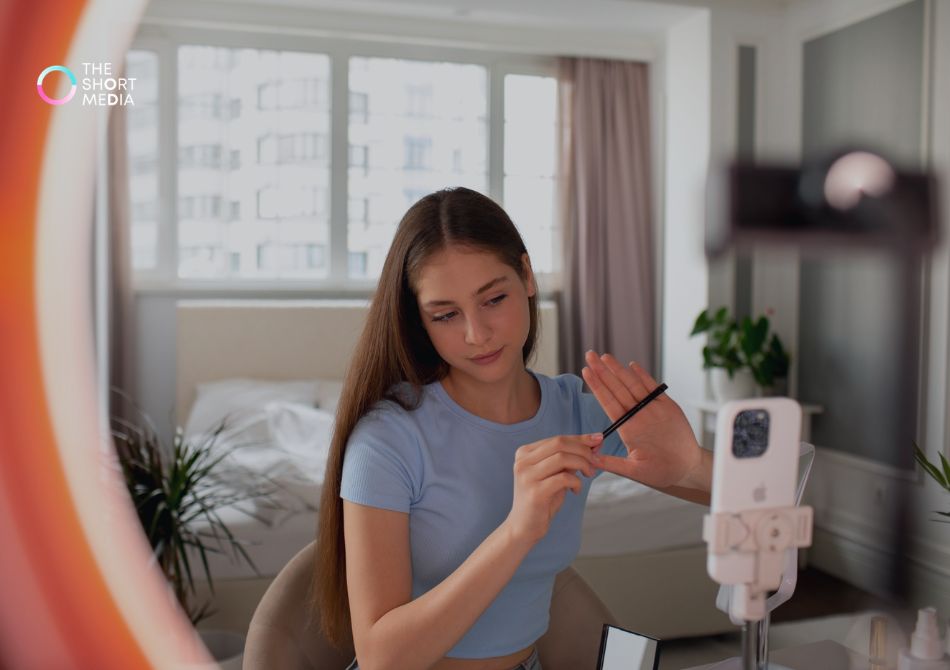
Then a scrappier clip took off. A creator filmed in her bathroom, half-rushing through a nighttime routine, and paused on the exact moment the moisturizer stopped pilling under sunscreen. Comments piled up from people saying, basically, *finally, that’s what I needed to know*. That one piece of content didn’t just perform better organically. It gave the paid team a much clearer read on who actually cared, what objection mattered, and what angle deserved budget.
That’s the real story with TikTok right now. Content isn’t just feeding awareness. It’s helping advertisers make sharper decisions about targeting, creative, offers, and audience segments. Good tiktok advertising services aren’t built around media buying alone anymore. They’re built around reading content signals properly and moving fast when those signals show up.
Why content is doing more of the targeting work
A lot of brands still come into TikTok with an old paid social habit: define the audience first, then make creative for that audience. On TikTok, it often works the other way around. The content reveals the audience.
You see it in the comments, watch time, saves, shares, profile visits, and even in the weirdly specific debates under a post. A home cleaning product might think its buyer is “busy moms 30–45,” but then a simple kitchen demo starts pulling in renters, pet owners, and people obsessed with removing grease from air fryer baskets. That’s not a persona slide. That’s actual market feedback.
This is where solid tiktok ads services stand apart from lazy campaign setup. If an agency is just plugging in broad targeting and rotating generic UGC, they’re missing the bigger advantage. The better teams are using top-performing content to identify sub-audiences and buying triggers before they scale anything.
And honestly, the clues are usually right there.
A protein snack brand posts three hooks:
- one about macros,
- one about late-night cravings,
- one about busy office lunches.
The “office lunch” angle gets weaker click-through but much stronger hold rate and more comments from women in corporate jobs asking where to buy in bulk. That’s useful. It may not be the obvious winner on day one, but it can become a high-intent paid segment with the right landing page and offer.
The best tiktok advertising services watch comments like a hawk
This part gets ignored more than it should.
Comments on TikTok often tell you what your landing page forgot to answer. I’ve seen a fitness product ad get decent engagement, then stall because the comments were full of people asking whether it folds small enough for apartment storage. The brand’s product page barely mentioned dimensions. Once that issue was addressed in the creative and on-site, conversion rate improved.
That’s not just creative optimization. It’s smarter targeting through message fit.
The same thing happens with beauty. A foundation brand may think it needs to target by shade range interest or skin type, which is fair. But the comments might show the real dividing line is texture anxiety: “Does this cling to dry patches?” “What does it look like around the nose after 6 hours?” Suddenly your audience isn’t just “women 25–34 who like makeup.” It’s people with a very specific concern, and now your ad set, creator brief, and hook can match that concern.
Good tiktok advertising services treat comments as targeting data, not just community management.
Broad targeting still matters, but content narrows the field
A lot of tiktok ads services providers will tell clients to stay broad, and they’re not wrong. TikTok’s system often performs better when you don’t strangle it with too many audience restrictions. But broad doesn’t mean vague.
Broad targeting works when the content is precise.
That’s the part some teams miss. If your video says too many things at once, the platform has less to work with. If the content clearly speaks to one pain point, one use case, or one type of buyer, TikTok gets better signals faster.
I’ve seen this with DTC home products in the US. A general “organize your home” ad underperformed badly. A much simpler clip showing a cabinet shelf fixing the mess under a bathroom sink did better almost immediately. Same product category. Different specificity. The audience signal got cleaner.
For UAE-based brands or brands advertising into the UAE, this gets even more important. Buying behavior can shift by language, seasonality, price sensitivity, and cultural context. A generic English-only creative might attract views but weak purchase intent. A localized version with the right visual cues, a more regionally relevant use case, or creator talent that feels familiar can help tiktok ads services teams separate curiosity from actual buying potential.
Organic content is basically your cheapest research team
Not every brand needs a massive testing budget to get smarter. Sometimes the fastest route is posting more useful content and paying attention.
A food brand launching a new sauce flavor can test:
messy recipe demos, taste reaction clips, “fridge staples” content, creator duets, and quick comparisons against better-known competitors. The winning format often tells you more than a survey would.
Same with Amazon products. I’ve worked with brands where a plain handheld demo filmed in a kitchen beat studio content by a mile. Why? Because it answered the practical stuff. How big is it really. How loud is it. Does it fit under the cabinet. Studio shots looked nice, sure, but they hid the details shoppers actually cared about.
This is why experienced tiktok advertising services teams push for a content engine, not just ad production. You need enough variation to notice patterns. Which hooks pull in first-time buyers. Which creators attract bargain hunters versus premium shoppers. Which offers trigger clicks but not purchases. Which comments keep repeating.
That’s targeting. Just not in the old checkbox sense.
What smarter targeting looks like in practice
The strongest tiktok ads services setups usually connect four things:
Creative themes that map to buyer intent
Not all views mean the same thing. A retail launch might get broad interest from trend watchers, but only a subset cares enough to visit store locations or buy immediately. Content helps sort that out.
A beauty launch, for example, might split into:
- shade-match problem solving
- wear test proof
- “worth the price?” reactions
- dupe comparison content
Each theme tends to attract a slightly different buyer. Paid campaigns can then scale the ones showing stronger downstream behavior.
Creator selection based on audience fit, not follower count
This one still trips brands up. A creator can look perfect on paper and still read wrong on camera for your product. Sometimes they talk too smoothly. Too rehearsed. You can almost hear the brief.
Meanwhile, a smaller creator with a believable routine and slightly imperfect delivery gets stronger results because the content feels lived-in. Better tiktok advertising services know how to spot that before wasting budget.
Landing pages that match the ad conversation
If the ad is winning because it addresses one exact objection, don’t send traffic to a generic page. Keep the thread going.
A local service business, say a med spa or home cleaning company, might run TikTok creative around one narrow concern like last-minute appointment availability or pet-safe products. If the landing page switches back into broad brand copy, performance usually slips.
Retargeting based on content behavior
Someone who watched 75% of a product demo is not the same as someone who liked a funny trend post. That sounds obvious, but many campaigns still retarget everyone the same way.
Smarter tiktok ads services segment based on what people actually engaged with. Product detail viewers get proof-heavy follow-ups. Trend engagers may need a stronger bridge into the offer.
Where brands usually get this wrong
They force trends. They brief creators too tightly. They scale too early off one decent ROAS day. They confuse engagement with purchase intent.
And they often arrive late. I’ve seen brands jump on a trend two weeks after it peaked, then act surprised when the ad feels stale. On TikTok, timing matters, but so does interpretation. You don’t need to copy every trend. You need to understand why a certain format is making people stop.
That’s where strong tiktok advertising services earn their keep. Not by tossing trendy edits into Ads Manager and hoping the algorithm sorts it out, but by reading content performance like actual buyer behavior.
Smarter targeting starts before the ad account
If I had to simplify it, I’d say this: TikTok content is helping brands target better because it exposes real intent in public. You can see what people care about, what they doubt, what they compare you to, and what makes them hesitate.
The brands getting the most from tiktok ads services aren’t treating content and media as separate departments. They’re letting content shape the paid strategy. The ad account still matters. Of course it does. But the targeting is getting smarter upstream now, in the videos themselves, in the comments, in the saves, in the patterns that show up before a campaign fully scales.
That’s why tiktok advertising services have changed. Or at least the good ones have.
FAQs
Q1: Do you need organic TikTok content before running ads?
Not strictly, but it helps a lot. Even a small batch of organic posts can show which hooks, creators, or product angles deserve paid spend before you burn budget guessing.
Q2: Are broad audiences better than interest targeting on TikTok?
Often, yes. But only if the creative is specific enough to attract the right viewer. Broad targeting with muddy messaging usually just gives you broad confusion.
Q3: How many creatives should a brand test at once?
Usually more than they think. Four to eight distinct angles is a decent starting point, especially for e-commerce. Minor edits of the same video don’t count as real variation, by the way.
Q4: What kind of content works best for product targeting?
Content that shows use cases, objections, and outcomes clearly. Demos, comparisons, reactions, and problem-solution videos tend to give stronger targeting signals than polished brand montages.
Q5: Can TikTok ads work for local businesses in the UAE?
They can, especially when the creative feels local and the offer is easy to act on. Service businesses, clinics, restaurants, and retail promos can all work if the content matches how people actually shop in that area.