
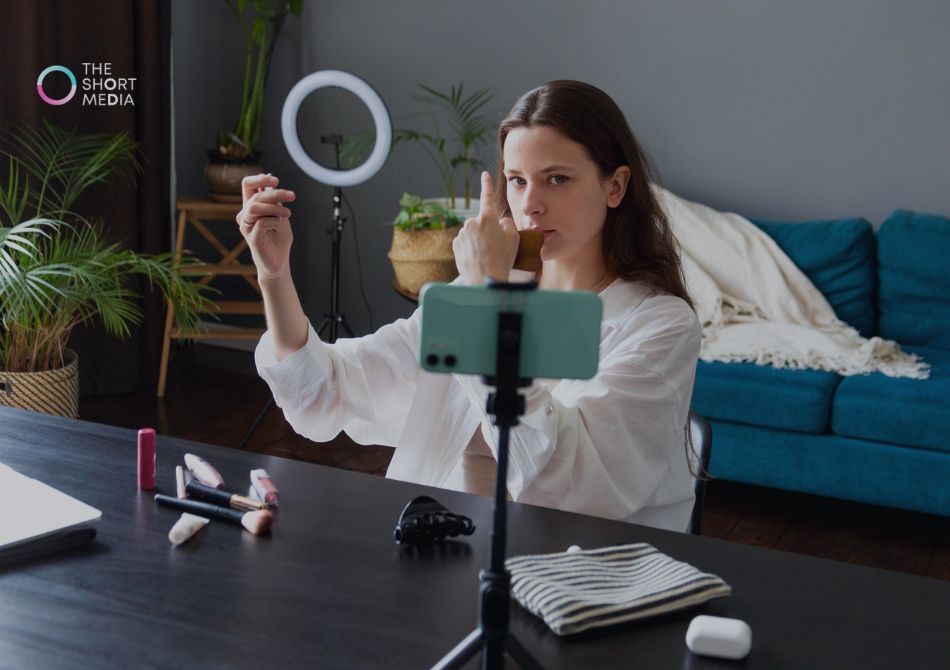
I’ve seen brands spend a week polishing a TikTok video in a studio, only to get outperformed by a 19-second clip shot next to a kitchen sink.
Not by a little, either. I mean the rougher video pulled comments, saves, stitched reactions, and actual sales while the polished one mostly collected polite views. That’s usually the moment a team stops talking about “content quality” in the old sense and starts paying attention to user-generated content.
On TikTok, that shift matters. A lot.
If you’re trying to grow a brand, a product line, or even a local service, user-generated content isn’t some side tactic you add after the ad budget is approved. It’s often the thing that makes everything else work better. Organic posts feel more believable. Paid creative gets less ignored. Comments start telling you what people actually care about, which is useful because sales pages and internal brainstorms usually miss a few things.
That’s where a good TikTok Growth Agency tends to earn its keep. Not by making everything look expensive, but by helping brands build a repeatable system for content that feels like it belongs on the platform.
Why user-generated content does so much heavy lifting
UGC works on TikTok for a pretty simple reason: people are used to seeing regular people talk, test, compare, complain, recommend, and show results in a way that doesn’t feel over-managed.
That doesn’t mean every casual-looking video performs. Plenty of “authentic” content is still bad. You can spot it fast. A creator reads the script too perfectly. The hook sounds like legal approved every word. The product gets introduced in second one with zero context. Dead on arrival.
But when UGC is done well, it closes the gap between ad and recommendation.
A beauty brand in the US might learn more from 50 comments under a creator’s “get ready with me” than from a month of internal messaging meetings. People will say the shade looks too orange, or ask whether it pills under sunscreen, or mention they need something for humid weather. That’s not abstract engagement. That’s market feedback, in public, for free.
The same pattern shows up with food products, supplements, home gadgets, cleaning products, even local services. A pest control company, for example, may think its audience wants polished trust-building videos. Sometimes they do. But I’ve watched simple before-and-after clips, filmed by technicians on-site, pull stronger watch time because they answered the real concern quickly: “Can these people actually fix the problem?”
A TikTok Growth Agency usually sees the pattern faster
Most in-house teams don’t fail on TikTok because they’re lazy. They fail because they bring Instagram instincts into a platform that punishes hesitation and overproduction.
A solid TikTok Growth Agency usually looks at UGC a little differently. They’re not asking, “How do we make this brand look premium in every frame?” They’re asking, “What would make someone stop scrolling long enough to care?”
That changes the process.
Instead of one hero concept, you test ten angles. Instead of writing one polished script, you build creator prompts. Instead of obsessing over brand language, you pay attention to how customers naturally describe the product in comments, reviews, and DMs.
That’s also why tiktok promotion services that only focus on boosting posts often disappoint. If the creative feels stiff, adding spend just helps more people ignore it. Good tiktok promotion services should start with content development, creator matching, testing, and iteration. Media buying matters, obviously. But weak creative gets exposed fast on TikTok.
The messy strength of UGC
The thing some teams struggle with is that good UGC often looks a little unfinished.
A product demo filmed in a real kitchen can outperform a bright studio setup because it answers a practical question in a believable environment. A fitness creator talking through why they actually kept using a resistance product can land better than a perfectly edited brand montage. A mom showing how she stores a snack pack in the car gets more saves than a brand voiceover listing benefits. That’s just how the platform behaves.
And not every useful piece of UGC has to come from a big creator. Smaller creators often do better work because they haven’t turned every sentence into a performance. That matters for tiktok influencer marketing, especially for DTC brands and Amazon products where conversion depends on clarity more than celebrity.
I’ve also seen retail launches benefit from this. A home product brand getting placed in Target or Walmart might assume the store placement should be the headline. Sometimes the better angle is a creator showing how the product fits into a normal routine at home. The retail mention becomes supporting proof, not the whole story.
What brands get wrong with tiktok influencer marketing
A lot of tiktok influencer marketing still gets treated like old-school sponsorship: pick a creator with a decent following, send a brief, ask for one post, hope for reach.
That’s usually not enough.
The stronger approach is to treat creators like a content engine, not a one-time placement. You want multiple voices, different hooks, a few visual styles, and room for creators to say things in their own words. If every creator uses the same opening line, the campaign starts to feel weirdly identical. Audiences notice.
This is also where tiktok promotion services and creator strategy should overlap. The best-performing creator post is rarely the one the brand predicted in advance. Sometimes it’s the creator who ignored half the brief and filmed a more natural version in their apartment. Slightly annoying, sure. Also often the winner.
For tiktok influencer marketing, especially in the UAE or US markets where audiences are exposed to a lot of paid content, the brief needs to leave room for actual personality. Not chaos. Just enough flexibility so the content doesn’t sound like compliance wrote it.
UGC helps paid media, but not in the tidy way people think
There’s a common mistake brands make when they move into paid TikTok. They assume they need one “winning ad” and then scale it.
Usually, it’s more fragmented than that.
One UGC clip might have the best thumb-stop rate. Another gets stronger watch time. Another pulls comments that reveal objections your landing page never addressed. I’ve seen skincare ads where the comments kept asking whether the product worked under makeup. The original ad never covered that. A creator follow-up answering that exact concern ended up becoming the better conversion asset.
That’s why a TikTok Growth Agency worth hiring won’t just hand over a content calendar and disappear. They should be feeding performance insights back into creative production. The comments matter. The drop-off points matter. Even the awkward saves-without-likes pattern can tell you something.
And again, tiktok promotion services are more valuable when they connect distribution with creative learning. Otherwise you’re just paying to repeat the same mistakes faster.
UGC is especially useful for newer brands
If you’re a newer brand, user-generated content can do two jobs at once: it helps with discovery, and it helps reduce skepticism.
That’s a big deal for beauty startups, food brands, wellness products, home organizers, pet products, and all those practical items people don’t feel like researching for an hour. A founder talking into the camera has its place. But a customer or creator showing the product in a real setting often moves things along faster.
For local services, too. In the UAE, where service businesses are competing hard for attention across beauty, fitness, food delivery, home cleaning, and clinics, UGC-style content can make a business feel more current and more trustworthy without making it look overly produced. A client reaction clip, a treatment walkthrough, a “here’s what actually happens when you book” video — those often do more than a glossy brand intro.
What a TikTok Growth Agency should actually build
If a brand is serious about growth, the goal isn’t to collect random UGC and hope something hits. The goal is to build a system.
A good TikTok Growth Agency should help with:
- creator sourcing that matches the product and audience
- briefs that guide without strangling the creator
- testing multiple hooks, formats, and objections
- identifying which posts deserve paid support
- connecting tiktok influencer marketing with broader performance goals
- turning customer language into better scripts and angles
That last one gets overlooked. Customers tell you how to market the product all the time. They do it in comments, reviews, and stitched videos. You just have to pay attention.
UGC isn’t a shortcut. It’s a working style.
Some teams still treat user-generated content like a cheaper substitute for “real” creative. That’s the wrong frame.
Good UGC takes planning, creator management, editing judgment, testing discipline, and a willingness to let go of some brand-control habits that don’t help on TikTok anyway. The point isn’t to make content look random. The point is to make it feel native enough that people watch it without immediately putting it in the ad bucket.
That’s why tiktok influencer marketing and tiktok promotion services work best when they’re not separated into silos. Creator content informs paid. Paid performance informs the next creator brief. Organic comments shape messaging. Bit by bit, the account gets sharper.
And honestly, that’s usually how TikTok growth happens. Not from one perfect campaign. More from a stack of useful, believable videos that keep teaching you what your audience responds to.
FAQs
Q1: What counts as user-generated content on TikTok?
It’s broader than customer selfies. UGC can be content from actual customers, creators hired to make native-looking videos, product demos, review-style clips, unboxings, routine videos, or side-by-side comparisons. If it feels like something a person would naturally post on TikTok, it’s probably in the zone.
Q2: Does UGC only work for consumer products?
Not really. It’s especially strong for beauty, snacks, supplements, home products, and Amazon items, but I’ve seen it work for dentists, med spas, gyms, real estate teams, and local service businesses too. People want to see what the experience looks like before they commit.
Q3: How is tiktok influencer marketing different from regular UGC?
There’s overlap, but they’re not identical. tiktok influencer marketing usually involves creators posting to their own audience, while UGC is often made for the brand to use on its own channels or in ads. In practice, smart brands do both.
Q4: Are tiktok promotion services enough on their own?
Usually not. If the content is weak, promotion just exposes the problem faster. Strong tiktok promotion services should include some creative testing logic, not just budget deployment.
Q5: How many creators should a brand work with at once?
More than one, less than chaos. For most brands, starting with 5 to 10 creators gives you enough variation to spot patterns without making the process messy. One creator rarely tells you enough.