
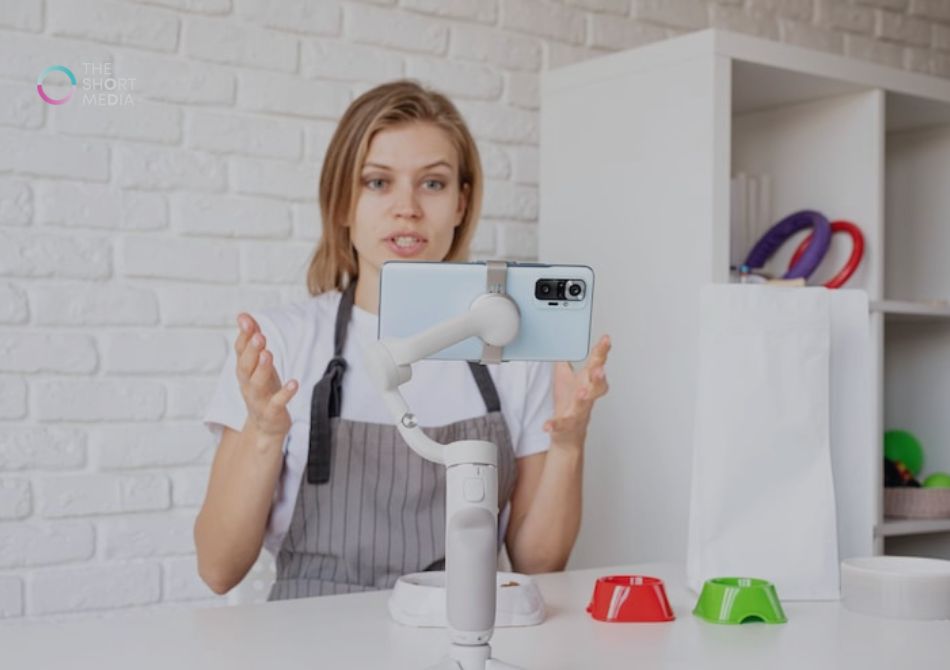
A few months ago, I watched a decent consumer brand spend real money on a polished launch video, push it across Meta and YouTube, and then wonder why sales felt soft. Same week, a creator on TikTok filmed a rough product demo at her kitchen counter — bad overhead light, dog walking through the frame, no fancy edit — and the comments were full of the stuff the brand’s landing page never addressed. Shipping concerns. Shade matching. Whether it worked on textured skin. Actual buying objections, right there in public.
That’s the part some brands still miss.
Ignoring TikTok doesn’t just mean missing a trendy channel. It usually means missing research, creative direction, audience language, and a pretty honest feedback loop. And if you’re in a crowded category — beauty, food, supplements, home gadgets, local services, even Amazon products — that gets expensive fast.
What you lose when TikTok isn’t in the room
A lot of teams still treat TikTok like an optional add-on. They’ll run paid social elsewhere, maybe brief a few influencers, maybe repost a Reel and call it coverage. But when TikTok is absent from the plan, you often lose the place where people are most willing to react in real time.
Not in a vague “engagement” sense. I mean useful reactions.
I’ve seen comments on a cleansing balm video tell a beauty brand exactly why conversion was lagging: people thought the jar was too small for the price. A home product brand learned from TikTok comments that customers didn’t understand installation from the studio-shot ad, but a quick handheld demo fixed it. A frozen food launch got more traction from a creator microwaving the meal in an office break room than from the brand’s hero campaign. Slightly annoying, maybe. Also useful.
That’s why digital marketing tiktok isn’t only about reach. It’s a creative testing environment, a message filter, and sometimes the fastest way to find out whether your brand story makes sense outside your own Slack channel.
The real gap: TikTok shapes creative outside TikTok too
Here’s something paid social teams know, even if they don’t always say it out loud: TikTok often influences the ads that end up working on other platforms.
Not because every ad should look chaotic or trend-chasing. That’s usually where brands go wrong, actually. They see a meme format, join two weeks too late, and then wonder why it feels embarrassing. What tends to work better is using TikTok to pressure-test angles.
Which product benefit makes people stop?
What wording sounds natural out loud?
Which creator actually feels believable on camera?
A creator reading a script too perfectly will tank a good concept faster than most teams expect. On the other hand, a slightly awkward founder video explaining why a formula changed can outperform a polished brand asset because it sounds like a person, not a brief.
That’s where tiktok brand marketing earns its keep. It gives you a live read on tone, hooks, product education, objections, and creator fit. Then those learnings can travel into Meta, retail launch support, Amazon creatives, even email subject lines if your team is paying attention.
Why a tik tok marketing agency can save you from expensive guesswork
A lot of brands wait too long to get help. They assign TikTok to a social coordinator, ask for “three videos a week,” and hope something clicks. Sometimes it does. Usually, it turns into a pile of content that looks active but doesn’t really move anything.
A good tik tok marketing agency is useful for a less glamorous reason: it cuts down on waste.
Not just ad spend waste. Creative waste. Creator waste. Team time.
The better agencies know the difference between content that looks native and content that’s trying way too hard. They know when a product needs UGC-style demos versus when it needs a stronger offer. They can spot when comments are telling you the real issue is price perception, not thumb-stop rate.
For UAE-based brands especially, or brands marketing into the UAE, this matters even more. Audience behavior can shift quickly between English and Arabic content, between expat-heavy segments and local consumers, between luxury positioning and value-first messaging. A tik tok marketing agency that understands regional nuance won’t just translate content; they’ll adapt the framing, creator mix, and call-to-action so it actually lands.
And honestly, that’s where a lot of generic social plans fall apart.
Digital marketing TikTok isn’t just for beauty brands and snacks
Beauty got there early. Food did too. Those categories had an easy visual advantage. But I’ve seen digital marketing tiktok work well for less obvious offers when the creative is built around a real moment.
A local med spa showing what happens before, during, and after a treatment.
A fitness brand comparing the sound and feel of two treadmills in someone’s apartment.
A DTC cleaning product showing grease removal on an actual stovetop instead of a fake studio surface.
A realtor answering neighborhood questions people were too shy to ask directly.
A home organizer filming drawer setups in a client’s kitchen and casually mentioning what didn’t fit.
That last bit matters. The imperfect detail. The thing a brand team might cut because it isn’t “on message.” TikTok users usually read that as more trustworthy, not less.
digital marketing tiktok tends to reward proof over polish. Not always low production, but clear proof. If your product solves a problem, show the problem in a recognizable way. If the offer is hard to understand, simplify the explanation before you spend more on media.
The hidden cost shows up in your whole funnel
When brands ignore TikTok, they often frame it as a top-of-funnel decision. Awareness can wait. We’ll focus on conversion channels. I get the logic, but in practice the cost spreads wider than that.
You miss the search behavior. People look up product names, reviews, “does this actually work,” “how to use,” “worth it or not.” If your brand isn’t part of that discovery path, someone else fills the gap — a competitor, a random creator, or worse, an old impression that never gets corrected.
You miss creator relationships early, and then pay more later when you finally want in.
You miss content volume. Not filler content. Usable content. The kind that can be repurposed into paid ads, PDP videos, Amazon listings, retail support assets, and email.
You also miss the comments, which are often more revealing than survey data. I’ve watched comments expose sizing confusion, ingredient concerns, shipping anxiety, and skepticism around before-and-after claims. Stuff the media team couldn’t fix alone because the issue lived in the offer or product page.
That’s why tiktok brand marketing isn’t just a social line item. Done properly, it feeds product marketing, paid social, community, and conversion work. Ignore it, and other channels have to work harder to compensate.
What a smarter TikTok approach actually looks like
This doesn’t mean posting random trends and hoping for a breakout. Most serious brands need a tighter system than that.
A practical setup usually includes:
- creator content that feels lived-in, not over-directed
- product demos with obvious context
- a few repeatable hooks, tested over time
- paid amplification behind the winners
- comment mining for objections and language
- regular creative refreshes before fatigue sets in
That’s the part a solid tik tok marketing agency can organize well. Not just content production, but the loop between organic signals and paid decisions.
And no, not every brand needs a huge always-on TikTok machine. But most brands do need a point of view, a testing plan, and someone who knows when a video failed because of the hook versus because the creator was wrong for the product.
TikTok brand marketing works better when the brand stops performing “brand”
Some of the worst TikTok content comes from brands trying to act like what they think TikTok wants. Forced slang. Overwritten scripts. Trend formats that have already expired. You can almost feel the approval layers on the screen.
The better tiktok brand marketing work usually starts simpler than that. A product in use. A founder with a real opinion. A creator who knows how to talk like a normal person. A direct answer to a common hesitation. Sometimes a lo-fi side-by-side test beats the expensive campaign asset. Annoying, yes. Still true.
If you’re working with a tiktok marketing agency, this is one of the first things they should protect you from: making content that looks like a brand trying to cosplay as a user.
For UAE brands, the opportunity is bigger than just views
In the UAE, where audiences are highly connected and visually fluent, TikTok can be especially useful for retail, hospitality, beauty, food, fitness, and lifestyle brands. People don’t just want glossy branding. They want context. What the experience looks like. What the portion size actually is. Whether the service feels worth leaving home for. Whether the product fits their routine.
That’s where digital marketing tiktok gets practical. A restaurant launch in Dubai can use creator visits to show pacing, menu highlights, and atmosphere better than a static ad ever will. A skincare brand can test Arabic and English creator messaging and quickly see where the response differs. A local service business can answer the exact trust concerns people have before booking.
Handled well, tiktok brand marketing becomes less about chasing virality and more about reducing hesitation.
And that tends to pay off everywhere else.
FAQs
Q1: Is Do small brands really need TikTok, or is it mostly for big consumer names?
Small brands can get a lot out of it, sometimes more than bigger ones. They’re usually closer to the product, faster to test, and less trapped by approval layers. A founder-led video with a clear point can do more than a polished campaign if the message is right.
Q2: How long does it take to see results from digital marketing tiktok?
Depends what you mean by results. If you’re looking for immediate sales from cold content, that can be uneven. If you’re looking for creative learnings, audience language, and better-performing paid assets, you can start seeing useful signals pretty quickly — often within a few weeks of consistent testing.
Q3: Is a tik tok marketing agency worth it for brands with an in-house social team?
Often, yes. In-house teams know the brand deeply, but TikTok needs a specific creative rhythm and testing discipline that not every team has time for. The best setup is usually collaborative, not outsourced and forgotten.
Q4: What kinds of content usually perform best for tiktok brand marketing?
Product demos, problem-solution videos, creator reviews, comparisons, and objection-handling content tend to hold up well. Not because they’re flashy. Because they answer the thing a potential buyer was already wondering.
Q5: Do you need to follow trends for digital marketing tiktok to work?
Not really. Trends can help if the fit is natural and the timing is right. But I’ve seen more brands waste time forcing trend participation than gain anything from it. A useful, well-shot demo will outlast a tired audio clip.