
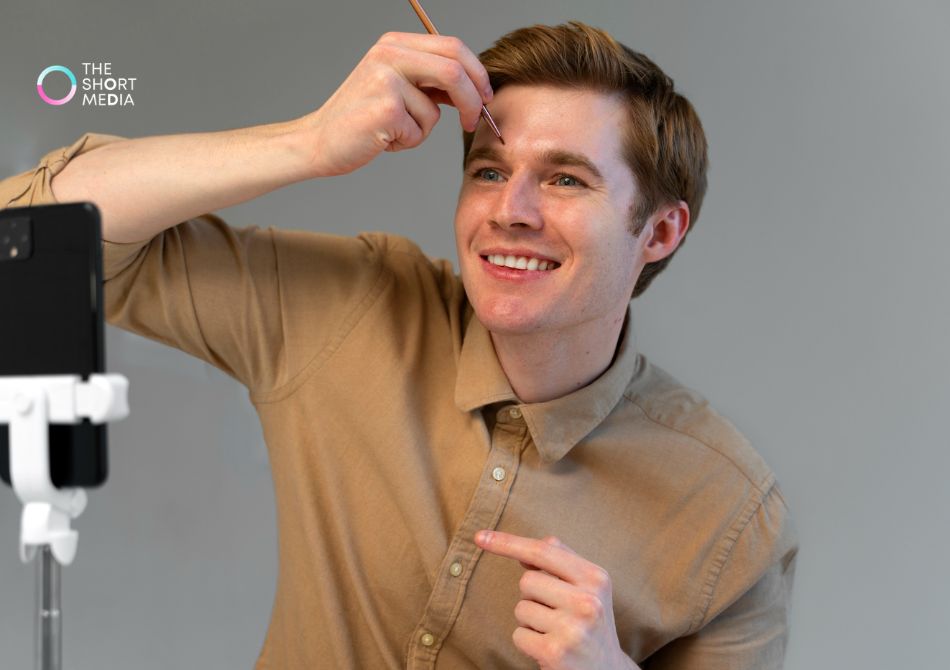
A skincare founder I know ran a polished product video for a new cleanser. Nice lighting, clean edit, tidy hook. It did fine. Then her team went live on a Thursday night with a phone propped against a mug in the office kitchen, answered questions about breakouts for 40 minutes, showed the texture on camera, and offered a small bundle during the stream. That live sold more than the edited video did over the next several days.
That’s the part some brands still miss. TikTok Live isn’t just another content format sitting next to short-form videos. It’s where attention gets a chance to turn into action while people are still curious, still commenting, still asking if shipping is free to Dubai or whether the shade runs warm.
For brands in the UAE and beyond, that matters. A lot. Especially if you’re already spending money to get people into the TikTok ecosystem and trying to make the jump from views to actual revenue.
Why TikTok Live feels closer to a store than a feed
Regular TikTok content is great for discovery, but Live has a different rhythm. People linger. They ask weirdly specific questions. They want to see the zipper, the texture, the before-and-after, the size of the pan, the way the lamp looks when it’s actually switched on. You get objections in real time, which is useful because sales pages often miss the obvious stuff.
I’ve seen this with beauty, home, and food brands especially. A US-based cookware brand got more useful product feedback from 25 minutes of live comments than from a week of static ad reporting. People kept asking whether the pan worked on induction stoves. The product page barely mentioned it. Sales friction, right there in the comments.
That’s also why brands investing in tiktok ads services are paying more attention to Live. It gives paid traffic somewhere warmer to land than a cold product page. Not every campaign should push users straight into a live session, but when the format fits, it can shorten the distance between “looks interesting” and “I’ll buy it.”
The brands making TikTok Live work aren’t treating it like TV
This is where teams get awkward.
They plan a live stream like it’s a webinar, write a stiff script, pick someone from the team who sounds nervous on camera, and then wonder why viewers drop. The creator reads every line too perfectly. Comments go unanswered for 30 seconds. Somebody joins a trend two weeks too late. It feels managed in the wrong way.
The live streams that convert usually feel more like a smart in-store demo than a presentation. A fitness brand showing resistance bands from a living room. A founder of a snack company taste-testing flavors and reacting honestly when one is “fine, but not my favorite.” A local UAE boutique answering sizing questions in Arabic and English because that’s what their customers actually need.
If you want to run ads on tiktok and connect them to Live, the content can’t feel disconnected. The ad should set up the stream naturally. Maybe it teases a product demo, a limited-time bundle, or a founder Q&A. Then the live delivers on that promise without feeling over-rehearsed.
Where tiktok ads services fit into the picture
A lot of businesses don’t struggle because TikTok is confusing. They struggle because they try to do too many things at once: creative production, media buying, creator coordination, live moderation, offer strategy, attribution. That stack gets messy fast.
Good tiktok ads services help sort out what Live is actually supposed to do in the funnel. Is it there to close warm traffic? Launch a retail product? Support an Amazon push? Move inventory before Ramadan? Build trust for a higher-consideration item like a beauty device or premium home product?
That part matters because the setup changes. If you’re trying to run ads on tiktok for a low-cost impulse product, the live can be fast, demo-heavy, and offer-driven. If you’re selling a service, like aesthetic treatments in Dubai or a boutique fitness membership in Abu Dhabi, the live needs more proof, more explanation, and probably a host who can handle skeptical comments without sounding defensive.
I’ve also seen brands waste money sending paid traffic to Live with no structure. No pinned product. No host plan. No moderator pulling out recurring questions. No offer worth staying for. Just vibes, basically. That’s not a strategy.
To run ads on TikTok well, the live event needs a reason to exist
This sounds obvious, but it’s where campaigns fall apart.
“Go live because the platform likes it” is not a reason. Neither is “we need more content.” Viewers need a clear payoff. Early access. A giveaway that isn’t cheesy. A product comparison. A founder unpacking negative reviews. A local promo for UAE customers. Something.
When brands run ads on tiktok to a live event with a proper hook, results tend to look more believable. Not magic. Just better aligned. A home organization brand can tease a live before/after setup using three products in a small apartment. A beauty brand can push traffic to a live shade match session. A food brand can do a limited bundle while the founder cooks with the product in an actual kitchen, not a studio set that makes everything feel expensive and distant.
That last point is real, by the way. Product demos filmed in kitchens, bathrooms, spare bedrooms, back offices — those often outperform studio content because they answer the viewer’s silent question: what does this look like in a normal life?
The comment section is doing half the selling
Live commerce works partly because comments surface buyer intent and buyer hesitation at the same time. You can watch the friction happen.
“Does it work on oily skin?”
“Is this available in the UAE?”
“How long is delivery?”
“Can I use it if I already have retinol?”
“Why is it more expensive than the Amazon version?”
That’s useful. If you regularly run ads on tiktok, those questions should feed back into your creative and landing pages. Comments often reveal the gap between what marketers think matters and what buyers actually need to hear. I’ve seen a pet brand spend weeks refining visual hooks while customers in live comments kept asking the same simple thing: does it survive the dishwasher?
A solid live setup usually includes someone off-camera collecting patterns from comments and feeding them to the host. Not glamorous, but it helps. Especially when you run ads on tiktok at scale and need every piece of traffic to work harder.
TikTok Live in the UAE has a practical edge
The UAE market tends to respond well to immediacy when the offer and logistics are clear. Fast-moving retail, beauty, fashion, gifting, food, and local services can all work well with Live if the stream reflects how people actually shop. Bilingual hosting can help. So can localized offers, clear delivery windows, and showing the product in real settings rather than generic lifestyle scenes.
For UAE-based brands using tiktok ads services, Live can also bridge trust gaps faster than static creatives. That’s especially true for newer brands that don’t yet have years of reviews or broad retail presence. A host answering comments live, showing packaging, explaining returns, and speaking naturally does more than another polished promo edit sometimes can.
Not always. But often enough that it’s worth testing seriously.
If you run ads on TikTok, don’t isolate paid from organic and live
Some teams split everything into silos. Paid team over here. Social team over there. Creator manager somewhere in Slack. Then the ads say one thing, the live says another, and the organic feed looks like a different brand entirely.
That disconnect gets expensive.
If you run ads on tiktok, your best-performing live sessions should inform your paid creative. Pull the strongest objections. Recut the best demo moments. Turn repeated questions into hooks. Use the host’s natural phrasing, not a copywriter’s cleaned-up version that suddenly sounds fake.
And if a live session flops, that’s useful too. Sometimes the offer was weak. Sometimes the host was wrong. Sometimes the stream happened at the wrong time, or the audience just wasn’t warm enough yet. Better to learn that from one live than from a month of ad spend built on bad assumptions.
tiktok ads services are more useful when they understand commerce, not just CPMs
This is probably my bias showing, but a lot of media buyers know how to buy impressions and not much else. Live commerce needs a bit more range. Offer strategy. Host selection. Product sequencing. Comment handling. Retargeting people who watched but didn’t buy. Pulling clips from the live for follow-up ads.
That’s where stronger tiktok ads services stand out. They don’t treat Live as an add-on feature. They treat it as part content, part conversion event, part research session. Which, honestly, is what it is.
And for brands trying to run ads on tiktok without burning budget on disconnected creative, that integrated approach usually makes more sense than chasing views for their own sake.
FAQs
Q1: Is TikTok Live only useful for ecommerce brands?
Not really. Ecommerce has the most obvious fit, but local services can do well too. A clinic, salon, fitness studio, or real estate team can use Live to answer common objections, show the space, introduce staff, and make the business feel less abstract.
Q2: How long should a TikTok Live session be?
Usually longer than brands expect. Ten minutes often isn’t enough unless the audience is already very warm. Somewhere around 30 to 45 minutes gives enough time for people to join, ask questions, and actually move toward a purchase.
Q3: Should every brand use paid traffic to push people into Live?
No. Some brands should fix the live format first before spending on it. If your host is stiff, the offer is vague, and nobody’s moderating comments, paid traffic will just expose the problems faster.
Q4: What kind of products sell best on Live?
Products that benefit from demonstration tend to do well. Beauty, kitchen tools, fitness gear, home gadgets, fashion, even some supplements if the brand handles claims carefully. If people naturally have questions before buying, Live helps.
Q5: Does polished production help?
Sometimes, but less than people think. Clean audio matters. Good lighting helps. But overproduced setups can feel strange on TikTok. I’ve seen a simple desk setup outperform a glossy studio because it felt more believable.