
A few months ago, I watched a skincare brand spend real money on a polished launch video that looked great everywhere except TikTok. Nice lighting, clean copy, perfect product shots. On Instagram, fine. On YouTube, respectable. On TikTok, it sank. The comments were quiet, watch time was weak, and the CPM didn’t even get the chance to become the main problem because people scrolled past before the hook landed.
Then the brand posted a rougher clip. Founder in her bathroom. Slightly awkward. She opened with, “I thought this formula would flop in humid weather, but…” That one moved product.
That gap says a lot about where advertising is heading. Not just because TikTok is popular, but because it’s pushed marketers to rethink what an ad is supposed to feel like, how quickly it has to earn attention, and who should be on camera in the first place.
TikTok didn’t just add a new channel. It messed with the old playbook.
A lot of teams still approach TikTok as if it’s another place to distribute finished creative. Usually that means taking a campaign built for Meta or TV, trimming it down, adding captions, and hoping for the best. Sometimes that works for a recognizable retail brand. Usually, not really.
What TikTok did was force paid social teams to get less precious.
That’s uncomfortable for brands used to approvals, layers of messaging, and a creative process that takes six weeks. But the platform keeps rewarding things that feel observed rather than overbuilt. A creator talking through why a protein bar tastes “actually decent, not chalky” can beat a glossy fitness ad with a full production crew. I’ve seen a home cleaning product filmed on a kitchen counter outperform studio footage because you could hear the sink running in the background. It felt real enough to keep watching.
That shift matters beyond TikTok itself. Teams are now building ad systems around speed, iteration, and creator-style storytelling because they’ve had to. And once they do it there, they start questioning why every other channel needs to be so stiff.
Why advertising on tiktok ads feels different from older paid social
The biggest difference isn’t just the format. It’s the behavior.
People don’t open TikTok in the same mental mode they bring to search or even Instagram Stories. They’re there to be surprised, distracted, entertained, occasionally influenced, and sometimes weirdly educated by someone in a car explaining dishwasher tablets. So advertising on tiktok ads works when it understands that mood instead of interrupting it with old-school brand language.
That means the first second matters more than most teams expect. Not in a dramatic “hook your audience” kind of way. More like this: if the opening line sounds like legal reviewed it three times, the scroll happens fast.
You can spot this in creator briefs, too. The worst-performing ones often read like mini press releases. Every benefit included. Every claim packed in. The creator ends up sounding like they memorized a script five minutes before filming. People can feel that. They may not articulate it, but they feel it.
Good advertising on tiktok ads usually leaves room for personality, even when the campaign is tightly managed. A food brand might give creators three proof points and let them frame it around lunch prep, post-gym snacking, or “stuff I keep in my desk drawer because meetings run long.” Same product, different entry points, much better chance of finding traction.
The rise of the creator as media unit
This is probably the biggest practical change TikTok accelerated.
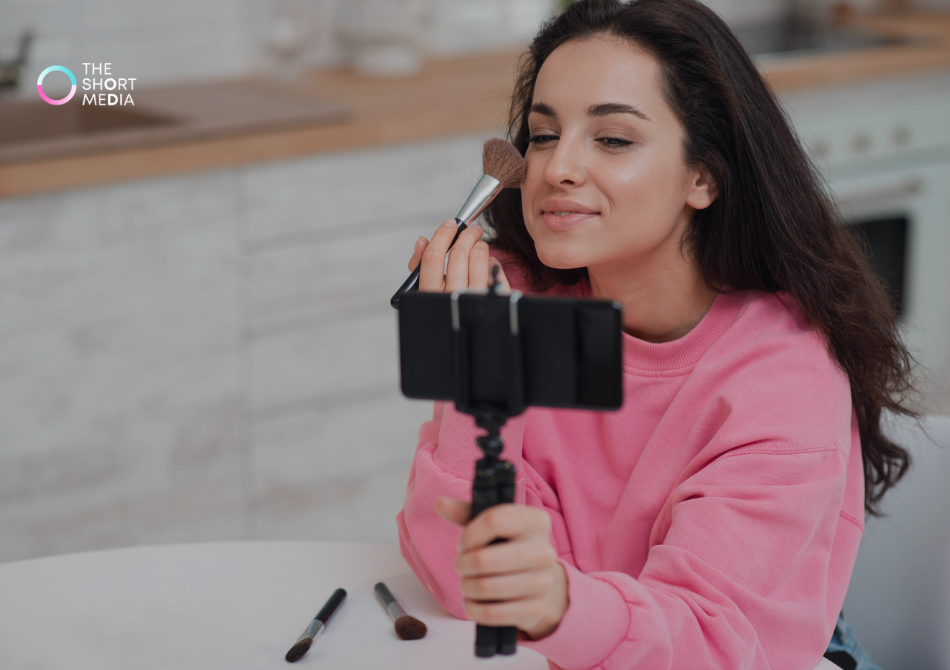
For years, brands treated creators as add-ons. Nice for awareness, maybe useful for social proof, maybe a PR play. Now creators are often the actual engine of paid performance. Not always influencers with huge followings, either. Sometimes the best asset comes from a smaller UGC creator with a believable face, decent pacing, and a kitchen that looks like a normal kitchen.
A strong tiktok advertising agency understands that creator selection is less about vanity metrics and more about fit. Can this person explain the product in a way that sounds lived-in? Do they naturally hit objections? Can they sell without sounding like they’re trying to sell?
I’ve seen comments do half the strategy work here. A beauty brand thought the main objection was price. The comments kept asking whether the shade oxidized by midday. That changed the next round of creative. A founder clip addressing wear time ended up beating the original offer-led ads. That kind of feedback loop is one reason a tiktok advertising agency can be useful when the internal team is too far from the comment section.
And yes, comments matter more than some media buyers want to admit. They often reveal what the landing page forgot to answer.
Creative volume isn’t optional anymore
This is where some brands get irritated. They want the one winning concept. The hero ad. The thing that scales forever.
TikTok rarely rewards that mindset for long.
Advertising on tiktok ads tends to favor teams that can produce lots of variations without turning every asset into a production event. Different hooks. Different pacing. Different creators. Different use cases. Sometimes the exact same footage with a stronger first line performs like a completely new ad.
A DTC supplement brand in the US might test:
- “I bought this because I was tired by 3 p.m.”
- “This is what I keep at my desk instead of another coffee”
- “I didn’t expect the taste to be the part I cared about”
Those aren’t revolutionary scripts. That’s the point. They sound closer to how people actually talk.
When brands struggle with advertising on tiktok ads, it’s often because they’re trying to protect the creative from being made messy. But a little mess is usually where the useful signal comes from. You learn which claim lands. Which objection needs handling. Which creator reads too clean. Which trend you joined two weeks too late. That happens a lot, by the way.
What this means for brands in the UAE
The UAE market adds an extra layer that’s easy to underestimate. You’re often dealing with multilingual audiences, different cultural cues, and a consumer base that moves comfortably between global trends and local expectations. A format that works for a US snack brand might need a very different tone for beauty, fashion, or local services in Dubai or Abu Dhabi.
That doesn’t mean TikTok creative in the UAE has to be overly cautious or corporate. Usually the opposite. It just needs better context.
For regional brands, advertising on tiktok ads works better when the content reflects actual usage moments people recognize. A restaurant launch in Dubai can do more with a creator showing the order arriving slightly melted after delivery and still tasting good than with another cinematic montage. A home service brand can build trust faster with a technician explaining what usually causes AC issues during peak heat than with generic “quality service” copy.
This is where a tiktok advertising agency with market awareness earns its fee. Not because they have some secret dashboard. Because they know when to localize the concept, when to keep it broad, and when a trend is too imported to feel natural.
The media buying side changed too, but creative is still driving the car
There’s plenty to say about targeting, optimization, Spark Ads, creator whitelisting, and conversion setup. All important. But if the creative misses, the account structure won’t save it.
That’s why a lot of paid social teams have quietly reorganized around content pipelines rather than campaign calendars. The brands doing well with advertising on tiktok ads aren’t always the biggest spenders. They’re often the ones reviewing footage quickly, feeding insights back to creators, and making new iterations before the old angle burns out.
A solid tiktok advertising agency usually acts part creative partner, part performance team, part reality check. Someone has to say, “This ad looks expensive, but the first three seconds feel like a commercial from 2018.” That’s not always fun to hear. It’s often true.
TikTok is shaping more than TikTok
What started on TikTok is bleeding into everything else. Meta creative looks looser now. Retail brands are cutting founder-led videos into paid campaigns. Amazon sellers are using UGC-style demos because shoppers respond to product handling, not just polished renders. Even local service businesses are getting smarter about short-form proof. Before-and-after clips, quick walk-throughs, technicians explaining the problem in plain English.
That’s the real shift.
The next generation of advertising probably won’t look less strategic. It’ll just look less staged. More creator-led, more iterative, more comfortable with rough edges, more informed by comments and watch time than by what the brand deck said should work.
And honestly, that’s probably healthier. Some ads needed to loosen up.
FAQs
Q1: Do brands need a huge budget to make TikTok work?
Not really. What they need is enough budget to test creative properly. A smaller brand with six solid creator assets can learn more than a bigger brand running one expensive video into the ground.
Q2: Is working with a tiktok advertising agency worth it for smaller companies?
Sometimes, yes. Especially if the internal team is stretched thin or keeps repurposing Meta ads that don’t fit the platform. A good tiktok advertising agency can help with creator sourcing, testing structure, and the less glamorous part—figuring out why people aren’t sticking past second two.
Q3: How many creatives should a brand test at once?
More than most teams are comfortable with. Four to eight is a decent starting range for many campaigns, but the real answer depends on spend and how distinct the concepts are. Tiny edits count if they change the opening or framing.
Q4: Does polished production ever work on TikTok?
It can. But it usually needs to be edited with restraint and opened in a way that doesn’t scream “brand ad.” High production value isn’t the issue by itself. Over-controlled messaging usually is.
Q5: What kinds of products do well with advertising on tiktok ads?
Products with a visible use case tend to get traction faster. Beauty, food, fitness gear, household products, gadgets, even local services can work if the ad shows something concrete. “Here’s what happened when I used it” usually beats abstract brand positioning.