
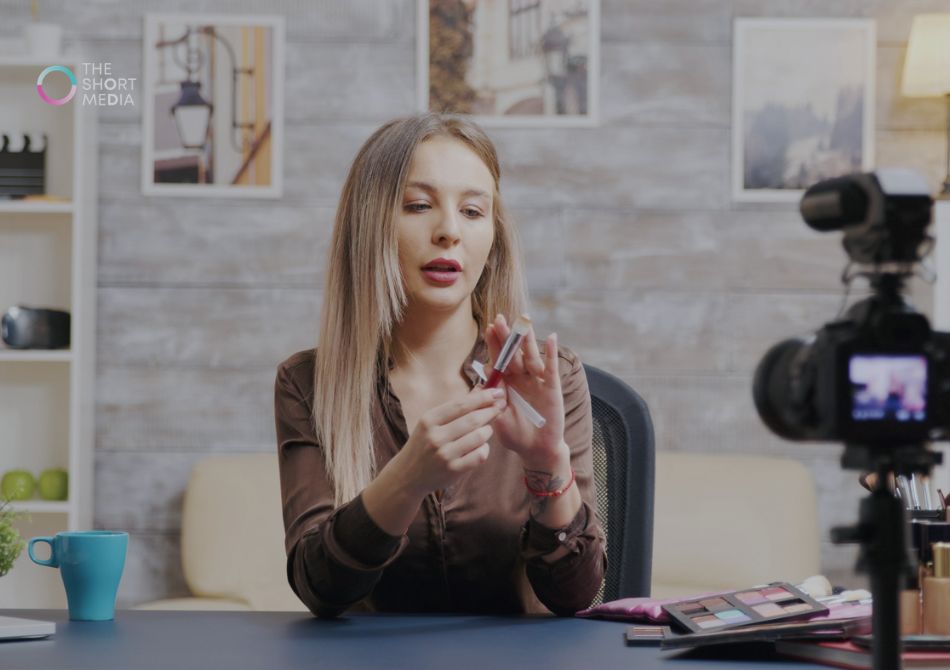
A few months ago, I watched a beauty brand panic because its polished launch video was getting ignored on TikTok while a creator’s shaky bathroom demo kept pulling comments like, “Wait, does this actually cover redness?” and “Where do I buy this?” Same product. Same week. Very different outcome.
That gap tells you a lot about what’s changed.
The old buyer journey used to look tidy on a slide: awareness, consideration, conversion. Nice arrows. Clean stages. Real people don’t buy like that anymore, and TikTok has made the mess more obvious. Someone sees a kitchen gadget in a 19-second clip, checks comments, watches three more videos from random users, gets served a Spark Ad later that night, searches for reviews on Amazon, then buys two days later because a creator casually mentioned it again while making lunch.
That’s not a funnel. That’s behavior.
For brands in the US and increasingly in places like the UAE, where mobile-first shopping habits are strong and social discovery is baked into daily life, marketing on tiktok isn’t just about getting views. It’s about showing up in the strange, scattered path people now take before they spend money.
The buyer journey got less linear, and TikTok exposed it
Marketers used to separate channels by job. Paid social for reach. Search for intent. Creator content for top-of-funnel buzz. Email for conversion. In practice, TikTok keeps blurring those lines.
A home cleaning brand might post a simple stain-removal demo filmed on a phone. That video gets shared. Comments fill up with questions the product page never answered: “Will this work on grout?” “Does it smell strong?” “Is it safe around pets?” Suddenly, the comments section is doing consideration-stage work. Then a creator stitches the clip and shows her own results in a messy laundry room. That becomes proof. Later, a paid ad using the same footage drives purchases.
That’s why marketing on tiktok tends to frustrate teams that are still assigning rigid roles to content. On this platform, one piece of media can create interest, answer objections, and trigger a sale, sometimes all in under a minute.
And not always in the order you planned.
Why a tiktok marketing company often spots what in-house teams miss
A good tiktok marketing company usually isn’t bringing magic. It’s bringing pattern recognition.
The in-house team is often too close to the product. They want the script to be accurate, approved, on-brand, legally clean, and maybe a little too polished. Then the creator reads it like they’re presenting in a conference room, and the whole thing dies in the first two seconds. You can feel it.
The better TikTok teams know that buyers respond to texture, not just information. A fitness supplement brand will learn more from a creator saying, “I thought this would taste chalky, but it’s actually fine with almond milk,” than from a list of product benefits floating on screen. A local service business, even something unglamorous like pest control, can get traction by showing a real technician walking through a common problem in a Houston attic or a Dubai villa, not by posting another generic brand reel.
That’s where a tiktok marketing company can help. Not because agencies are automatically smarter, but because experienced teams have seen the same mistakes repeat: trends joined two weeks too late, hooks buried under branding, studio lighting that makes a food product look weirdly inedible, comment sections ignored when they were basically free research.
Marketing on TikTok means treating comments like sales intel
This is one of the most underused parts of marketing on tiktok.
Comments aren’t just engagement metrics. They’re objection mining. They tell you what people don’t understand, what they doubt, what they care about enough to ask twice.
I’ve seen a DTC skincare brand discover that shoppers were less worried about ingredients than about whether the pump dispensed too much product. That detail barely existed on the PDP. On TikTok, it came up again and again. They made a short response video showing one pump on the back of a hand, then used that angle in paid creative. Conversion rate improved. Not because of some grand brand strategy. Because they answered the real question.
Same thing with food brands. A frozen snack company got better results from a creator filming in her apartment kitchen, slightly cramped counter and all, than from its campaign shoot. Why? The homemade setup answered the unspoken concern: “Will this actually look decent in my air fryer, or is this ad food?” People could picture themselves using it.
That’s marketing on tiktok when it’s working. Less performance theater. More friction removal.
Search behavior is bleeding into scroll behavior
A lot of buyers now use TikTok like a search engine, especially for products that benefit from seeing them in use. Beauty, fitness gear, home organizers, baby products, Amazon finds, restaurant recommendations, all of it.
But the interesting part is that intent doesn’t always start with search. Sometimes it starts with passive discovery, then turns into active research without the user really noticing the shift. They scroll, pause, get curious, read comments, tap a profile, save the video, search the product name later, compare prices, then come back.
That’s one reason marketing on tiktok can’t be measured only by last-click attribution. If your paid social team is judging TikTok purely on immediate in-platform conversions, they’re probably undervaluing it. Especially for retail launches and products with a slightly longer decision window.
For brands selling into the UAE, this gets even more interesting because multilingual audiences and cross-platform shopping behavior can compress or complicate the path. A user might discover a product in English, check reviews in Arabic, then buy from a marketplace listing instead of the brand site. The influence still started on TikTok, even if the spreadsheet makes it look messier than everyone would like.
The brands doing well aren’t separating organic and paid so aggressively
This is where a lot of teams still get stuck.
They build “brand content” for organic, then make entirely different “ad content” for paid, and the two streams barely talk to each other. On TikTok, that split often hurts performance. The strongest paid assets usually come from content that already proved it could hold attention naturally, or at least from creative built with that same feel.
A solid tiktok marketing company will usually build with this in mind from the start. Not every organic post needs to become an ad, obviously. But if your paid team is only producing direct-response creative in isolation, they’re missing signals. Organic tells you which hooks feel native, which objections keep surfacing, which creator styles feel believable, and which product angles actually make people stop.
I’ve watched Amazon-focused brands waste budget on heavily edited product videos while a simple “three things I didn’t expect” creator clip kept outperforming. Not by a little. By enough to make the expensive asset library look slightly embarrassing.
A tiktok marketing company that understands both paid and creator workflows can shorten that learning cycle. That matters.
The buyer journey now includes borrowed trust
Not trust in the abstract. Specific, uneven, human trust.
A creator who sounds a little unsure but honest often outperforms someone who nails every line too perfectly. A mother showing how she stores snacks in a real pantry can sell more home organization bins than a spotless branded setup. A barber explaining why he switched trimmers can move product because his hands look like he actually works all day.
That borrowed trust sits in the middle of the journey now. Sometimes near the start. Sometimes right before purchase.
And this is why marketing on tiktok works best when brands stop trying to control every word. You still need guardrails. You still need clear claims, legal review, and decent brand judgment. But if every creator brief reads like a press release, the audience can feel it immediately.
What smart brands should do next
Not everything needs a TikTok strategy deck. Some of this is simpler than people make it.
Start by looking at where buyers hesitate. Then ask whether your current content answers that hesitation in a way that feels watchable. If it doesn’t, fix that before you chase trends.
A few practical shifts help:
- Build content around real objections, not just features.
- Use creators who already understand the category tone.
- Test rougher demos before investing in polished production.
- Save comments. Sort them. They’re telling you what your landing page missed.
- Let paid and organic teams share findings instead of operating like neighboring countries.
If you’re working with a tiktok marketing company, ask how they source hooks, how they review comments, and how often organic learnings shape ad iterations. If the answer is vague, that’s useful information.
Because the buyer journey hasn’t disappeared. It’s just less orderly now, and more visible in public. People are figuring things out in comments, in creator videos, in stitched reactions, in search results, in retargeting ads they pretend not to notice.
TikTok didn’t invent messy buying behavior. It just put it on screen.
FAQs
Q1: Is TikTok only useful for products that look good on camera?
Not really. Visual products have an easier start, sure, but I’ve seen local services, supplements, cleaning products, even fairly boring household items do well when the content focuses on a real problem. “Pretty” helps less than people think. Useful usually wins.
Q2: How long does it take to see results from marketing on tiktok?
.
Q3: Should brands prioritize creators or in-house content?
Usually both, but not in a 50/50 formula. In-house content can move faster and respond to comments quickly. Creators bring borrowed trust and a different kind of credibility. If I had to choose for a newer brand, I’d probably start with creator volume and a small internal testing setup.
Q4: Do you need a big budget to hire a tiktok marketing company?
Not always. Some smaller brands work with a tiktok marketing company for strategy, creative systems, or paid support without handing over a huge monthly budget. The bigger issue is whether the team actually understands the platform beyond surface-level trend chasing.
Q5: What kind of videos tend to convert better?
Product demos, problem-solution content, comparison clips, objection-handling videos, creator testimonials that don’t sound over-rehearsed. Also, slightly imperfect footage often does better than teams expect. Annoying answer, maybe, but true.