
A few years ago, a lot of brand teams still treated TikTok like a side experiment. They’d cut down an Instagram Reel, add captions that looked slightly off, post it at 4 p.m., and then wonder why nothing happened. I’ve sat in those meetings. Usually right after someone says, “Maybe our audience just isn’t on TikTok,” while a creator in their own category is quietly moving product from a phone filmed in a kitchen.
What’s changed isn’t just reach. It’s the way people build a relationship with a brand. And that relationship is messier now. Faster, too. A customer can go from never hearing of a product to buying it, defending it in comments, and then dragging it a month later if the next order arrives late.
That’s why tiktok brand marketing matters more than people think. It’s not only about awareness or quick sales spikes. It’s about how loyalty gets formed in public, often through creators, comment sections, demos, and little repeat moments that feel more human than polished brand campaigns ever did.
Brand loyalty doesn’t look as tidy anymore
Loyalty used to get measured in a pretty straightforward way: repeat purchases, email engagement, maybe some decent retention curves if your team was organized. TikTok has added another layer. Now you can actually watch loyalty forming, or falling apart, in real time.
A beauty brand posts a foundation demo and the comments fill with shade-match concerns. A smart team doesn’t ignore that and move on. They answer, film follow-ups, send the product to creators with different skin tones, and suddenly the audience feels heard. That’s not a fluffy branding point. That’s retention work.
This is where marketing on tiktok changes the usual playbook. Instead of talking at customers, brands are reacting in public. Sometimes awkwardly. Sometimes well. The response itself becomes part of the product experience.
I’ve seen a home product brand get more useful customer insight from three TikTok comment threads than from a month of survey responses. People were blunt. The mop handle felt flimsy. The refill packs were confusing. The listing photos made the size look bigger than it was. Painful comments, honestly, but incredibly useful. They fixed the product page, changed the packaging insert, and their next round of creator content converted better because it addressed the actual objections.
The brands people stick with feel familiar, not perfect
There’s a specific kind of overproduced TikTok that almost always underperforms. You’ve probably seen it. Clean white backdrop, too much lighting, founder reading lines like they’re presenting at an investor day. It doesn’t always fail, but it often feels stiff.
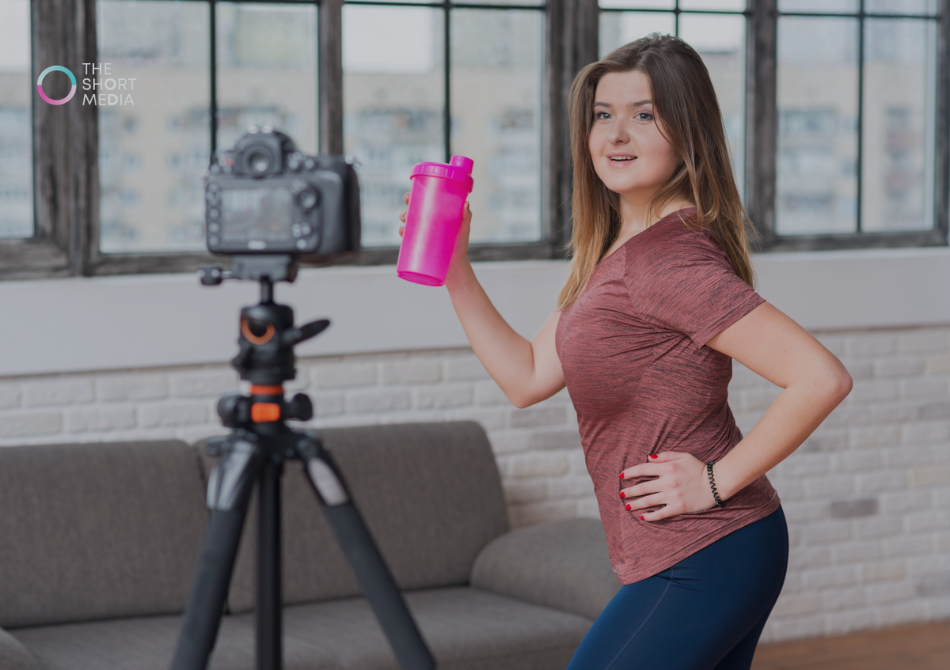
Meanwhile, a creator filming a protein powder mix test in a cluttered kitchen gets stronger watch time because it feels like a real person trying something. Same product. Different energy.
That’s why tiktok brand marketing often works best when the brand loosens its grip a bit. Not completely. You still need guardrails, especially for regulated categories or retail launches. But if every video sounds approved by six stakeholders, it usually shows.
For marketing on tiktok, familiarity matters more than polish. People start recognizing a founder’s voice, a creator’s way of explaining the product, even recurring customer comments. Those small repeated exposures build comfort. And comfort is a big part of loyalty, even if nobody in the boardroom phrases it that way.
A DTC skincare brand in the US learned this the hard way. Their studio-shot explainers looked expensive and did almost nothing. Then they posted a simple split-screen: one creator applying the serum for seven days, another reading through skeptical comments and answering them. That second format kept pulling saves and profile visits. Not because it was prettier. Because it felt like the brand understood what people were hesitating over.
marketing on tiktok rewards responsiveness
This is the part some teams still underestimate. Loyalty on TikTok isn’t built just by posting consistently. It’s built by responding well.
If a food brand gets comments asking whether a sauce is too spicy for kids, and they answer with a quick test video from an actual family dinner table, that lands. If they ignore those questions and keep posting generic recipe clips, they miss the moment.
A lot of marketing on tiktok is really about speed and listening. Not rushed, low-quality speed. More like being present enough to notice what people are actually saying.
And timing matters. I’ve watched brands jump on a trend two weeks too late because someone needed legal review, paid media signoff, and three rounds of copy edits. By the time it went live, the sound was dead and the joke felt forced. On the other hand, I’ve seen a local fitness studio post a rough, same-day response to a common excuse about starting classes, and that one brought in more trial signups than their polished membership promo.
That kind of responsiveness creates a different sort of trust. Customers start to feel like the brand is around, paying attention, not just broadcasting.
Loyalty is shifting from logos to faces
A lot of consumer loyalty on TikTok gets attached to people before it gets attached to the brand itself. That can make some brand managers nervous, and fair enough. But it’s reality.
For tiktok brand marketing, the strongest asset is often not the logo animation or tagline. It’s the founder who can explain why the formula changed. It’s the in-house employee packing orders. It’s the creator who has posted about the same air fryer liners six times without sounding like they were held hostage by a brief.
This is especially true in categories like beauty, supplements, home gadgets, and Amazon products where people want to see use, not just claims. A creator saying, “Okay, I thought this was gimmicky, but here’s what happened after three weeks,” can carry more weight than a polished ad with perfect graphics.
For brands in the UAE, there’s an extra layer here. Audiences are often multilingual, culturally mixed, and quick to spot content that feels imported without context. Marketing on tiktok in the UAE works better when the faces, settings, and references feel locally aware. That doesn’t mean every post has to scream location. It just means audiences in Dubai or Abu Dhabi can tell when a brand understands the market versus when it’s reposting US content and hoping for the best.
Comments are doing some of the loyalty work now
This part is underrated.
The comment section used to be treated like a moderation problem. Now it’s part of the funnel, part of customer service, part of creative strategy. Sometimes it’s the most convincing part of the post.
I’ve seen customers answer each other’s questions before the brand even got there. “I have curly hair and this worked for me.” “The medium roast is less bitter than the dark.” “It fits under a standard sink cabinet, barely.” Those little peer-to-peer moments matter. They make the brand feel lived-in.
That’s another reason tiktok brand marketing has become so tied to loyalty. A brand isn’t just publishing content. It’s hosting a visible, ongoing conversation about whether it’s worth sticking with.
Of course, that can backfire. If shipping delays pile up, or a retail launch is messy, TikTok won’t hide it for you. But honestly, that visibility can be useful. A home organization brand I worked with kept getting the same complaint about damaged lids. They finally posted a direct acknowledgment, showed the packaging update, and had creators test the new shipment. It wasn’t glamorous, but customer sentiment improved because they addressed the issue like normal people.
What smart brands are doing differently
The better teams aren’t treating TikTok as a “content channel” in the abstract. They’re using it as a feedback loop and a loyalty engine.
They’re building creator rosters instead of chasing one viral hit. They’re testing rough product demos alongside paid assets. They’re checking comments for objections that never showed up on the landing page. They’re noticing when a creator reads a script too perfectly and the post dies because it sounds borrowed.
And they’re not assuming every sale equals loyalty. A viral spike from marketing on tiktok can bring in a lot of first-time buyers who disappear just as fast. Loyalty comes from what happens after that first purchase: the follow-up content, the honest reviews, the way complaints are handled, the sense that the brand keeps showing up.
That’s the harder part. Also the more valuable part.
Tiktok brand marketing is changing what “loyal” even means
It used to be easier to imagine loyal customers as quiet repeat buyers. Now some of your most loyal customers are visible. They stitch your videos, defend you in comments, suggest product improvements, complain loudly when you miss, and come back anyway if you handle it well.
That’s not passive loyalty. It’s participatory.
And for marketing on tiktok, that means brand loyalty is less about maintaining a polished image and more about earning familiarity over time. Not every post needs to sell. Not every creator needs to be a perfect fit on paper. Some of the strongest brand relationships start with slightly scrappy content that feels believable.
If you’ve worked on paid social for any amount of time, you’ve probably seen this already. The ad the team debated for three weeks underperforms. The quick demo filmed near a sink, with uneven lighting and a decent hook, ends up carrying the account. Annoying, maybe. But useful.
TikTok hasn’t made loyalty simpler. It’s made it more exposed, more personality-driven, and a lot more immediate. Brands that can handle that tend to keep people around longer.
FAQs
Q1: Does TikTok actually build loyalty, or just impulse purchases?
It does both. The impulse purchase side gets all the attention, but loyalty usually shows up in repeat engagement first: returning commenters, saved videos, creator mentions, people asking when a product is back in stock. If those signals keep showing up, there’s usually something deeper than a one-off sale.
Q2: How often should a brand post on TikTok?
More often than most internal teams are comfortable with, but not at the expense of relevance. Three to five solid posts a week can be enough if you’re learning from them. Ten forgettable ones won’t help much.
Q3: Do brands need a founder or face on camera?
Not always, but having a recognizable person helps. It could be a founder, a product developer, a store manager, even a repeat creator partner. People tend to connect faster when the brand has a human presence.
Q4: What kind of TikTok content tends to build loyalty?
Useful content usually lasts longer than trend-chasing. Demos, side-by-side comparisons, response videos, restock updates, honest “here’s what changed” clips. Things people can actually use. A product filmed in a real bathroom or kitchen often does better than a spotless studio setup, which still makes some teams uncomfortable.
Q5: Is polished production bad for TikTok?
Not bad. Just not automatically better.
If the video looks expensive but feels stiff, viewers move on. If it’s polished and still feels natural, great. That’s just harder to pull off than many brands expect.