
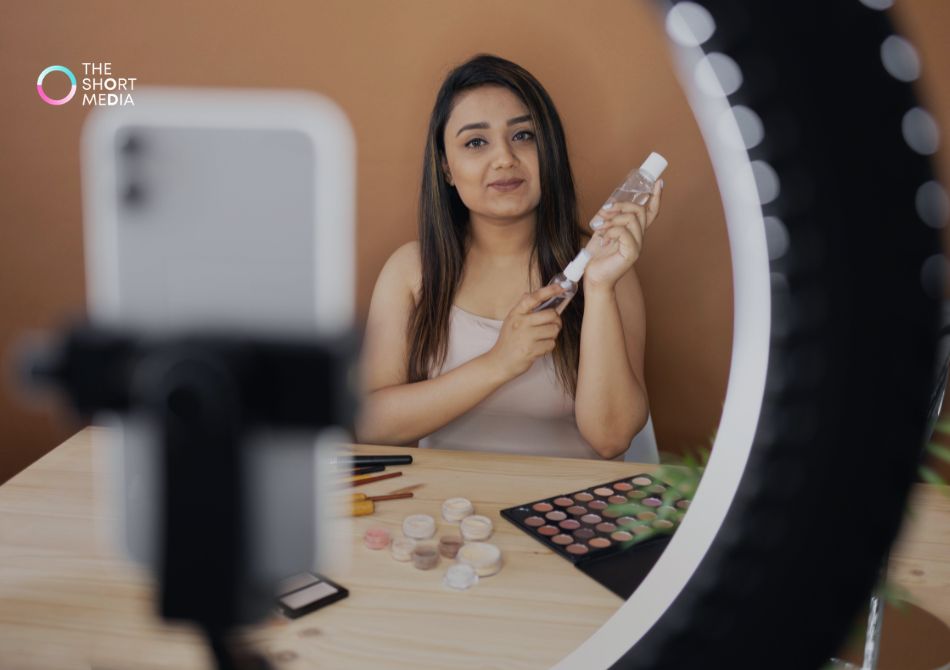
A few years ago, if someone wanted a moisturizer for dry skin, a new air fryer, or a gym bag that didn’t look like it came free with a membership, they’d probably start with Google or maybe Amazon. Now? A lot of them open TikTok first.
You can see it in the search bar suggestions. Type “best sunscreen for” and TikTok starts filling in the rest before you’ve even finished the thought. Then you scroll and it’s not polished brand ads leading the way. It’s a creator in her bathroom showing texture on camera, someone in Arizona explaining why one formula pills under makeup, and a comment section full of people arguing about white cast. Messy, useful, very convincing.
That’s the shift. Buyers aren’t always looking for the most authoritative answer first. They want the fastest believable answer. And that’s exactly why marketing on tiktok has become a serious part of the buyer journey, not just a nice extra for awareness.
Search behavior got more visual, more skeptical, and a little less patient
People still use Google. Obviously. But for plenty of product categories, especially beauty, food, fashion, home products, fitness, and local recommendations, TikTok is becoming the first stop because it gives buyers something search engines often don’t: immediate context.
A Google result might tell you a blender has “1,200 watts” and “six preset modes.” Fine. A TikTok video shows someone making frozen smoothies in a tiny apartment kitchen, then cleaning the thing in real time while complaining about the lid. That’s buyer research too. Maybe better research, honestly.
I’ve seen this play out with DTC brands and Amazon products over and over. A product page says one thing. Comments under a TikTok say another. And buyers trust the friction. They trust the weird little objections.
A founder might hate reading, “It looks cute but does it leak in a tote bag?” under a water bottle video. But that comment is gold. It tells you what the sales page missed. It also tells you what the next five videos should address.
That’s part of why marketing on tiktok works differently from old-school social content. You’re not just trying to entertain someone into awareness. You’re helping them search, compare, doubt, and decide.
Why buyers search TikTok before they buy
The short version: TikTok feels closer to a recommendation from a person who actually used the thing.
Not always, of course. Some creators read scripts so perfectly you can almost hear the approval process behind the camera. Those videos usually die in the comments. But when the content feels lived-in, buyers pay attention.
It shows the product in a real setting
Studio content has its place, but a surprising amount of high-performing TikTok creative looks almost under-produced. A product demo filmed on a kitchen counter often beats the clean commercial version. Same product. Same core message. Different level of trust.
I worked on campaigns where a beauty brand’s glossy launch assets got decent paid metrics, but the clip that really moved conversions was a creator applying the product near a window with uneven lighting and saying, “Okay, this is the shade in normal daylight.” That’s what people were searching for.
For marketing on tiktok, realism isn’t some creative philosophy. It’s often the difference between getting skipped and getting saved.
Search on TikTok feels like crowdsourced filtering
Buyers don’t just watch one video and move on. They stack evidence.
They’ll search “best pre workout for beginners,” watch six videos, read comments, notice which product names keep coming up, then search again with a more specific angle. Maybe “pre workout no crash” or “best tasting pre workout women.” That behavior looks a lot like search refinement. It just happens through video and community signals instead of blue links.
This matters for brands because marketing on tiktok isn’t only about posting top-of-funnel trend content. If your category has common search phrases, objections, comparisons, or use-case questions, that’s content territory.
It compresses discovery and validation
On other platforms, discovery and proof can feel disconnected. You see an ad, leave the app, search reviews elsewhere, maybe forget about it.
TikTok keeps a lot of that process in one place. Someone discovers a protein bar from a creator’s lunch video, searches the product name, sees three more people review it, reads comments about taste and texture, then clicks through. It’s not a straight line, but it’s all happening fast.
That’s a big reason marketing on tiktok has become more valuable for retail launches, food products, and impulse-friendly consumer goods. The app doesn’t just spark interest. It helps people pressure-test that interest before buying.
What this means for brands trying to show up in search
A lot of brands still approach TikTok like it’s a trend calendar. They chase whatever audio is hot, post a joke that has nothing to do with the product, then wonder why views don’t turn into anything useful.
That approach falls apart pretty quickly, especially if buyers are using the platform as a search engine.
Your content needs to answer buyer questions, not just “perform”
This is where teams usually get stuck. They think TikTok content has to be clever first. Sometimes it does. But if someone is searching “best sofa cover for dogs” or “foundation for acne texture,” they’re not looking for a brand mascot doing a bit.
They want specifics. Show the dog hair. Show the zipper. Show the foundation after six hours, not just right after application.
For marketing on tiktok, practical content tends to age better too. Trends expire fast. Search-driven videos can keep pulling views and conversions weeks later if they match an active buyer need.
Comments are part of the research layer
A lot of marketers underuse comments. Big mistake.
I’ve seen comments reveal pricing objections, sizing confusion, ingredient concerns, and shipping expectations faster than some formal research projects. A home product brand might post a storage organizer video and get flooded with “Will this fit under an apartment sink?” That’s not random engagement. That’s demand shaping.
Good marketing on tiktok teams treat comments like creative briefs. If people keep asking whether the pan works on induction stoves, make that video next. If they’re saying the creator’s demo looked too rehearsed, adjust the creator mix. Small stuff, but it adds up.
Why a TikTok Agency In Dubai can help UAE brands move faster
This is where execution starts to matter. It’s one thing to understand that TikTok is acting like a search engine. It’s another to actually build a content system around that behavior.
A strong TikTok Agency In Dubai can help brands in the UAE spot what buyers are searching for, shape creator content around those patterns, and connect organic insights to paid campaigns. That local angle matters more than people think. Search behavior in the UAE isn’t identical to the US, even if the platform mechanics are similar. Language mix, cultural references, shopping habits, and creator style all change the way content lands.
A good TikTok Agency In Dubai also won’t treat every brief like a polished ad campaign. They’ll know when a retail brand needs creator seeding, when a restaurant needs local search visibility, and when a beauty brand should stop overproducing everything.
I’ve seen teams waste weeks revising scripts that sounded “on-brand” but completely dead on camera. Meanwhile, a simpler creator cut with a more natural hook did better because it sounded like something a real person would actually say.
The brands that do well here usually stop trying to control everything
That’s probably the hardest adjustment.
Brands want consistency. Legal wants approved language. Performance teams want clear messaging. Fair enough. But TikTok search behavior rewards content that feels observed, not overmanaged.
That doesn’t mean chaos. It means giving creators enough room to sound like themselves, making content around actual search phrases, and accepting that a useful video may look less polished than the one your internal team likes best.
For marketing on tiktok, the winners are often the brands willing to be specific. Not louder. Not trendier. Just more useful in the moment someone is trying to figure out what to buy.
And if you’re operating in the UAE, working with a TikTok Agency In Dubai can shorten the learning curve. The right team can help you build content for local buyer behavior instead of copying what worked for a US skincare brand six months ago.
A smart TikTok Agency In Dubai should be looking at search patterns, creator fit, paid amplification, and comment mining together. Not as separate services. As one system.
Because that’s what TikTok has become for a lot of buyers: not just a place to browse, but a place to check, compare, and decide.
FAQs
Q1: Is TikTok really replacing Google for product searches?
Not fully. But for categories where buyers want to see the product used by real people, TikTok often gets the first search. Beauty, snacks, gadgets, home finds, even local cafes — those are common starting points now.
Q2: What kinds of businesses benefit most from marketing on tiktok?
Usually brands with something visual, demonstrable, or easy to react to. Beauty does well. Food too. Fitness products, home gadgets, Amazon items, local services with a before-and-after angle. If someone can show the result in 15 to 45 seconds, you’ve got something to work with.
Q3: Does every TikTok video need to follow a trend?
Not even close. Some of the most useful search-driven videos are plain, direct, and almost boring in a good way. A creator explaining why a supplement upset their stomach will often outperform a trend-led video with no real takeaway.
Q4: How does a TikTok Agency In Dubai support local brands?
A TikTok Agency In Dubai should understand regional creator culture, bilingual content needs, and what buyers in the UAE actually respond to. That’s different from just repurposing a global playbook and hoping for the best.
Q5: Should brands focus on organic content or paid ads first?
Usually both, but not in equal ways at the start. Organic content helps you see what hooks, objections, and creator styles feel believable. Paid works much better when you’re amplifying something people already watch without cringing a little.