
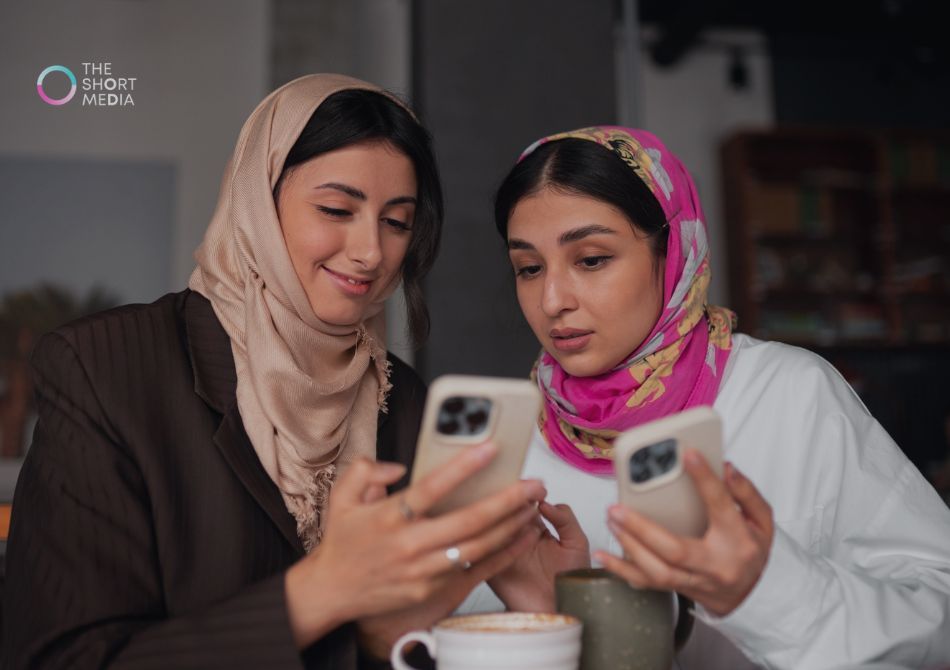
A lot of TikTok content from brands still feels like it was approved by six people in a meeting room and then handed to a creator with the instruction to “make it fun.” You can usually tell in the first three seconds. The script is too clean. The hook sounds borrowed. The creator is smiling, but not in a way any real person smiles when talking about protein bars, skincare, or a new brunch spot in Dubai Marina.
And yet, some UAE brands are getting it right. Not by trying to look cool, exactly. More by understanding how people actually use the app here: fast, visually picky, multilingual, and very quick to scroll past anything that smells like an ad.
That’s where tiktok brand marketing gets interesting. In the UAE, it’s not enough to repost a global campaign and add a local caption. The brands seeing real traction are building around creators, paid testing, comment insights, and content that feels like it belongs on the platform in the first place.
Why TikTok feels different in the UAE
The UAE market has a few quirks that make TikTok especially useful for brands. Audiences are mixed. You’re often speaking to expats, locals, tourists, and different age groups at the same time. English works, Arabic matters, and sometimes a bit of both in one content stream performs better than teams expect.
I’ve seen beauty brands in the region run polished studio edits that looked expensive and got almost nothing back, then post a creator-shot “get ready with me” filmed in a bathroom mirror and suddenly pull comments asking where to buy, whether it works for oily skin, and if delivery is available in Abu Dhabi. That’s not a theory. That’s what the platform tends to reward.
For UAE brands, especially in retail, food, fitness, and home products, TikTok often acts less like a branding channel and more like a live testing ground. You find out quickly what people care about. Sometimes painfully quickly. Comments will point out pricing objections, shipping confusion, or a product use case your landing page completely missed.
The real shape of tiktok brand marketing
A lot of teams still treat TikTok as a place to post “awareness content” and hope something catches. That usually leads to a feed full of trend-chasing videos uploaded two weeks too late.
Better tiktok brand marketing usually looks messier than that. In a good way.
It blends three things:
- creator-led content that doesn’t feel over-rehearsed
- paid support behind the videos that show early signs of life
- fast feedback loops between social, performance, and whoever owns the website or product page
That middle piece matters more than people admit. Organic-only TikTok can work, sure, but many UAE brands that scale on the platform are also using tiktok ads services to push proven creative further. Not every video deserves spend. Some do. And when a product demo or testimonial starts pulling saves, shares, and unusually specific comments, that’s often the signal.
A Dubai-based food brand, for example, might test three videos in one week: a founder talking to camera, a quick kitchen prep clip, and a creator review with a casual “I didn’t expect this to be that good.” The founder video may matter for trust. The kitchen clip might get reach. But the creator review is often the one worth running through tiktok ads services, because it sounds like something a person would actually send to a friend.
Where tiktok influencer marketing is actually working
There’s still a bad habit in some teams of choosing creators based on follower count and aesthetics first. That can go sideways fast.
A creator with 400,000 followers who reads your script too perfectly is often less useful than a smaller creator who knows how to talk naturally on camera and can show your product in a believable setting. I’ve seen a home gadget demo filmed on a cluttered kitchen counter outperform a pristine studio setup by a mile. It looked real. That was the difference.
tiktok influencer marketing in the UAE works best when brands stop trying to control every word. Give creators the product, the angle, the non-negotiables, yes. But leave room for their own pacing and language. If they naturally switch between Arabic and English, that may be exactly why their audience trusts them.
This matters for beauty brands, especially. A skincare launch in the UAE might need creator content from someone who can explain texture, climate, and wearability in a way that feels local. Heavy cream in Gulf heat? People will ask. Foundation oxidation? They’ll mention it in comments before your team does.
Good tiktok influencer marketing also isn’t just one post per creator. The stronger setups usually involve a batch of creators with different styles, then the brand watches what lands. One person may drive profile visits. Another gets comments full of buying intent. Another creates content that quietly becomes the best ad asset.
That’s why a lot of smart teams now build tiktok influencer marketing and tiktok ads services together, not as separate projects.
Paid media matters, but the creative matters more
There’s no shortage of brands willing to spend. The issue is what they’re spending on.
If the creative is stiff, no amount of tiktok ads services will save it. You can target well, optimize properly, and still end up paying to amplify a video nobody wanted in the first place. I’ve watched teams spend weeks adjusting campaign settings when the actual problem was obvious: the hook was weak and the product benefit didn’t show up until second eight.
For UAE campaigns, especially with retail launches or DTC products, the strongest ads often get to the point quickly. Show the product. Show it being used. Show the result. If it’s a home organizer, let people see the drawer before and after. If it’s a fitness product, show the setup and whether it actually fits in a small apartment. If it’s a local service, show what booking looks like and what happens after.
That’s where tiktok ads services can do real work. Not just media buying, but helping brands identify which creator clips, hooks, and formats are worth scaling. The useful agencies and teams aren’t just reporting CPMs and click-through rates. They’re spotting patterns in comments, hold rates, and drop-off points.
And honestly, comments are underrated. They’ll tell you if your “premium” pricing sounds unreasonable, if your offer is unclear, or if people think your product is only for tourists when it’s actually for residents too.
What UAE brands are doing better now
Some of the better UAE brands have stopped trying to make every TikTok video look expensive. That’s progress.
They’re building content pipelines instead of waiting for one hero campaign. They’re mixing in tiktok influencer marketing with in-house content, customer clips, and paid testing. They’re using tiktok ads services after creative validation, not before. Small but important distinction.
A retail launch in Dubai, for instance, might start with local creators visiting the store before opening weekend. Not polished walkthroughs. More like “come with me” clips, try-ons, quick reactions, maybe a little chaos in the fitting room. Then the brand uses tiktok ads services to push the videos that already earned attention organically or through whitelisting.
For Amazon sellers and DTC brands shipping into the UAE, the same principle holds. Don’t overbuild the first round. Test product demos, unboxings, side-by-side comparisons, objection-handling clips. Then scale what gets a real response.
And yes, tiktok brand marketing in the UAE is becoming more disciplined. Less random posting. More intentional creative testing. More respect for creators who know their audience better than the brand deck does.
A few things brands should stop doing
Not everything needs a trend.
Not every creator needs a script.
Not every decent video needs a logo in the first second.
A few common mistakes keep showing up:
- using global assets that clearly weren’t made for the region
- briefing creators so tightly they sound like customer service reps
- running tiktok influencer marketing once, then calling it done
- hiring for tiktok ads services without first fixing the creative workflow
- ignoring comments, which is where half the useful market research is sitting for free
That last one really gets missed. I’ve seen brands spend on surveys to learn what people think, while their TikTok comments are full of exact objections, exact language, exact concerns. It’s all there, a bit messy, but there.
Why tiktok brand marketing is becoming a serious growth channel
Not because it’s trendy. Because it gives brands a faster read on creative, product fit, and audience reaction than a lot of other channels do.
For UAE businesses, that speed matters. Markets move quickly here. New restaurant openings, beauty launches, fitness concepts, local services, limited-time offers — they all benefit from content that can be produced, tested, and scaled without a three-month planning cycle.
The brands winning aren’t necessarily the loudest ones. Often they’re just more honest on camera, quicker in production, and less precious about what “brand content” is supposed to look like.
That’s the real appeal of tiktok brand marketing right now. It forces teams to pay attention to what people actually respond to, not what looked nice in the deck.
FAQs
Q1: How often should a UAE brand post on TikTok?
More often than most teams are comfortable with, usually. Three to five times a week is a decent working pace if you have enough creative variation. Posting once a week and expecting clear learning is slow going.
Q2: Is tiktok influencer marketing better than making content in-house?
Not automatically. In-house content can work really well if someone on the team understands the platform and can shoot quickly. But tiktok influencer marketing usually gives brands more natural delivery and more content angles, especially when the internal team keeps overpolishing everything.
Q3: Do small businesses in the UAE need tiktok ads services?
Plenty of them do, but not on day one. First get a few pieces of content live and see what people respond to. Once you’ve got signs of traction, tiktok ads services can help turn that into something more consistent.
Q4: What kinds of brands tend to do well on TikTok in the UAE?
Beauty, food, fitness, home products, fashion, local services, and retail launches all have room to perform. The common thread isn’t the category. It’s whether the brand can show something concrete and make it feel native to the app.
Q5: How many creators should a brand work with at once?
Usually more than one, fewer than ten to start. Four to six creators is often enough to spot patterns without turning the process into chaos. You want variation, not a spreadsheet headache.