
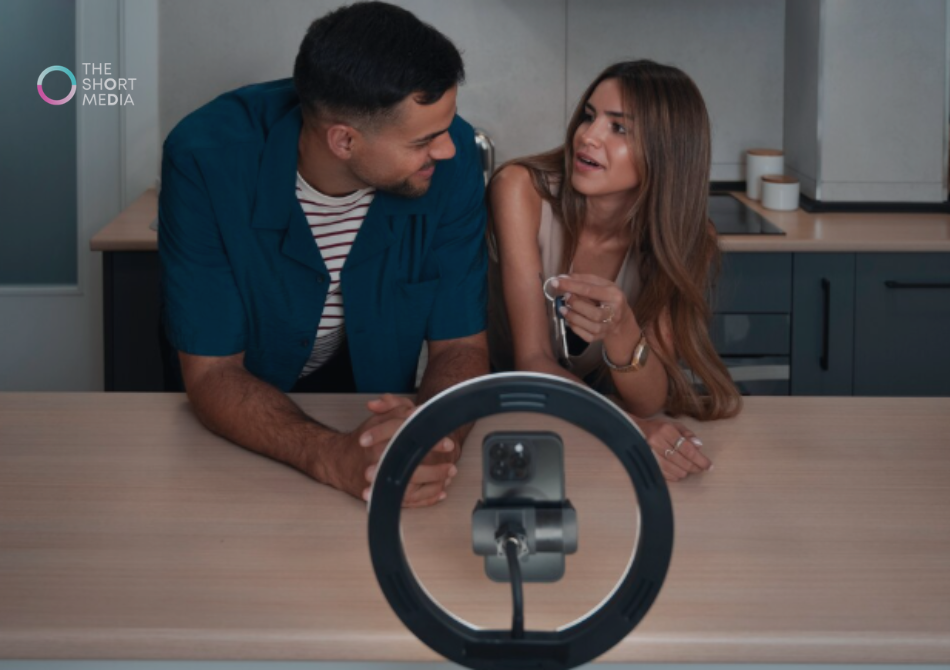
I’ve seen this happen more than once in the UAE: a brand launches TikTok campaigns with polished product videos, clean branding, nice lighting, all of it. The team feels pretty good. Then the rougher video — shot on a phone, founder talking fast, product demo on a kitchen counter — beats everything by a mile.
That’s usually the moment people stop treating TikTok like a prettier version of Instagram.
For UAE e-commerce brands, that shift matters. The market is crowded, customer attention is short, and CPMs can get expensive fast if your creative misses the mood of the platform. If you’re serious about tiktok ads for business, you need more than a boosted post and a trending sound added at the last minute. You need creative variety, a testing system, and a better read on how people in the UAE actually shop, scroll, compare, and comment.
And yes, advertising on tik tok can work extremely well for e-commerce here. But not in the lazy way a lot of teams hope.
Why UAE e-commerce brands get TikTok wrong at first
A lot of brands come in with the same assumptions. They think the product has to be “premium-looking” in every ad. They think the script should be tightly controlled. They think one winning video can carry the account for weeks.
Usually, no.
In the UAE, especially with beauty, fashion, home gadgets, wellness, and food-related products, people respond to content that feels immediate. Not sloppy. Just believable. A creator reading a script too perfectly can kill performance. You can almost feel the audience backing away. Meanwhile, a quick Arabic-English voiceover with a real demo and one specific use case often gets stronger watch time and better comments.
That matters because tiktok business ads live or die on creative response. The platform gives you reach, sure, but it also punishes content that feels late, stiff, or too obviously “approved by committee.”
I’ve also seen brands jump on a trend about two weeks too late, after every other seller in skincare or supplements already used the same format. By then, the comments are colder and the click-through rate drops. Timing is part of the strategy, not just the creative.
TikTok Ads for Business need a creative system, not one hero ad
This is probably the biggest difference between average and strong accounts.
Good teams don’t sit around waiting for one perfect ad. They build batches. Different hooks, different creators, different first three seconds, different offers, different problem-solution angles. Then they let the data sort it out.
For UAE e-commerce, I’d usually want to test around these variables:
- language mix: English, Arabic, or blended
- creator-led vs founder-led
- direct product demo vs lifestyle framing
- offer-led opening vs pain-point opening
- short punchy cuts vs slightly slower explainer style
Not every category needs all of that, but most need more variation than they’re currently producing.
A home product brand selling storage solutions, for example, might think the ad should focus on aesthetics. Sometimes it should. But I’ve watched a simple “before and after messy cabinet” clip outperform a beautifully styled apartment video because it got to the point faster. Same product. Different angle. Much stronger result.
That’s where advertising on tik tok gets interesting. You’re not just buying media. You’re buying reactions to different creative hypotheses.
Local relevance matters more than brands expect
A lot of UAE campaigns still feel imported. Generic voiceovers. Generic apartments. Generic references. It’s subtle, but people notice.
If you’re selling in Dubai, Abu Dhabi, Sharjah, or across the UAE, your ads don’t need to scream location in every frame. But they should feel familiar enough that the audience can place the product in their life. Delivery speed, payment preferences, climate, modest fashion considerations, Ramadan timing, gifting behavior, even the way people talk about convenience — these details affect conversion.
For tiktok ads for business, local context often improves performance more than another round of editing ever will.
A beauty brand selling tinted sunscreen in the UAE, for instance, shouldn’t rely on generic “summer glow” messaging. Heat, daily wear, shade match concerns, and how the product sits under makeup in humid weather — that’s the real conversation. The comments usually tell you this before the media team does. I’ve seen comment sections reveal objections the product page barely addressed.
The same goes for food and beverage brands. If you’re promoting snacks, coffee products, or meal kits, local eating habits and timing matter. Late-night ordering behavior during Ramadan is not the same as a standard weekday campaign in October. Obvious, maybe, but plenty of teams still run the same creative calendar all year.
What better advertising on tik tok looks like in practice
The strongest accounts usually combine three things: native-looking creative, disciplined testing, and fast feedback loops.
That sounds tidy on paper. In reality, it’s a bit scrappier.
You launch six to ten creatives. Two get weak hold rates. One gets decent CTR but poor conversion. One gets amazing comments but confused traffic. Then one random creator video — filmed in a kitchen with slightly uneven lighting — starts converting because the demo is clear and the offer lands in the first sentence. Fine. Scale that one, and make five more versions before it burns out.
That’s a real pattern with tiktok business ads. The winner often isn’t the ad the brand liked most internally.
A few practical moves help:
Build around hooks, not just concepts
A “product demo” isn’t one ad idea. It’s ten possible openings.
“Here’s how I use this every morning” performs differently from “I bought this because…” or “I didn’t expect this part to matter.”
The first line and first visual matter more than the rest of the script in many cases. If the opening feels generic, people are gone.
Use creators who can sound like themselves
This is where a lot of brands overmanage. They send a script, then ask for every line to be read exactly. What comes back sounds like a compliance video.
For advertising on tik tok, creator briefs should guide the point, not flatten the personality. Give them the product truths, the claim boundaries, the offer, the audience concern. Then leave some room. The slight imperfections are often doing part of the work.
Match landing pages to the ad’s promise
This gets ignored constantly. The ad is fast, specific, and clear. The landing page is broad and over-designed.
If your TikTok ad says “2-day delivery in Dubai” or “cash on delivery available,” that shouldn’t be buried halfway down the page. If the ad focuses on one use case, the product page should reinforce that use case immediately.
A lot of tiktok business ads don’t really fail in-platform. They fail in the handoff.
Budget strategy: don’t scale too early
This is where people get impatient.
A creative gets a decent first day, and suddenly the team wants to double or triple spend. Sometimes that works. Often it just exposes weak conversion mechanics faster.
With tiktok ads for business, scaling should follow proof from both engagement and purchase behavior. Watch not just click-through rate, but add-to-cart quality, checkout behavior, and whether the comments are signaling trust or skepticism.
For UAE e-commerce brands, I’d also pay attention to city-level performance, language response, and whether certain offers work better with different product categories. Fashion and beauty may respond well to creator-led social proof. Home products and gadgets often need a cleaner demonstration. Local services are another story entirely — they usually need urgency, relevance, and very direct value communication.
Retargeting on TikTok is useful, but it’s not the whole play
Some brands treat retargeting like the safe zone. Warm audiences, lower risk, easier conversions.
Fair enough. But if your top-of-funnel creative is weak, retargeting won’t save the account. It’ll just mop up a small percentage of people who were already interested.
Better advertising on tik tok usually comes from strengthening the first touch, then layering retargeting with testimonials, offer reminders, creator comparisons, or objection-handling clips.
A simple example: an Amazon-style cleaning product might get strong interest from a satisfying demo video, but the retargeting ad that closes sales is often the one answering “does it actually work on old stains?” with a very plain side-by-side test. Not glamorous. Effective.
The brands that stick with it usually get less precious
That’s probably the pattern I trust most.
The teams that improve at tiktok ads for business stop trying to control every frame. They stop expecting one polished campaign to carry the quarter. They look at comments more closely. They produce more variations. They accept that a founder selfie video might beat the agency cut. Annoying, but true.
For UAE e-commerce, where competition is sharp and consumer attention moves quickly, that flexibility matters. So does local relevance. So does speed.
And honestly, tiktok business ads reward teams that can learn in public a little bit. Not recklessly. Just without the need to make every ad look expensive.
FAQs
Q1: How much should a UAE e-commerce brand spend to start on TikTok ads?
You don’t need a massive launch budget, but you do need enough to test properly. If you only fund one or two creatives, you won’t learn much. Most brands are better off starting with a modest test budget spread across several ad variations rather than putting everything behind one “best guess.”
Q2: Are Arabic ads necessary in the UAE?
Not always, but they’re often worth testing. In many cases, a mix of Arabic and English performs better than fully polished English-only content, especially when the product is used in everyday household or personal care settings.
Q3: What kind of products usually perform well with TikTok?
Beauty, home tools, fitness accessories, snacks, kitchen products, fashion basics, and useful impulse-buy items tend to fit the platform well. That said, I’ve seen boring products do surprisingly well when the demo is sharp. A drawer organizer can outsell a stylish lifestyle product if the problem is obvious enough.
Q4: How many creatives should we test at once?
More than most teams think. Six to ten is a healthy starting range if you can manage it. The point isn’t volume for its own sake — it’s giving the algorithm and your team enough variation to spot patterns.
Q5: Do polished brand videos work on TikTok?
Sometimes. Usually not by themselves. If everything looks too controlled, performance can flatten out fast. A more natural video with a clear product use case often does better, even if the lighting is a little uneven.