
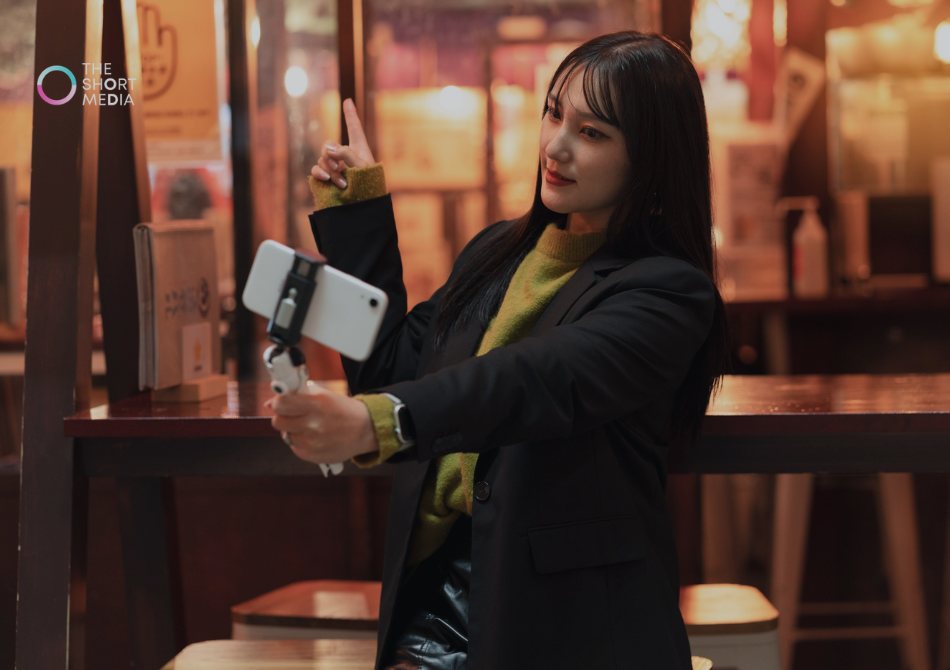
A few months ago, I watched a beauty brand insist on running a polished TikTok ad that looked like it had been cut from a TV spot. Clean lighting. Branded backdrop. Perfect voiceover. It lost badly to a scrappy creator clip filmed near a bathroom sink with bad echo and a smudged mirror. The “worse” video held attention longer, pulled more comments, and got cheaper conversions.
That keeps happening.
Not because production quality is dead. It isn’t. But on TikTok, the line between ad and content has gotten weirdly thin. Sometimes the ad looks more like a real post than the creator’s actual feed. Sometimes the organic post is so overworked it feels less believable than paid media. And if you’re buying media for a brand in the US or the UAE, that shift matters a lot more than most teams want to admit.
Why tiktok ads services now look more like posts than campaigns
The old instinct is still hanging around in a lot of marketing teams: make the ad “feel premium,” add branding early, clean up the edit, tighten the script. Then they wonder why the hook dies in the first second.
What tends to work now is something looser and more observational. A product demo shot in a kitchen. A founder talking straight to camera without sounding media-trained. A local service business showing the actual messy before-and-after instead of a glossy reveal. I’ve seen home product brands beat their own agency-approved edits with footage that looked almost too casual to publish.
That’s part of why tiktok ads services have shifted from pure media buying into creative operations. It’s not enough to target well or manage spend. The ad itself has to behave like native content, even when everyone knows it’s paid.
And “native” doesn’t mean random. That’s where brands get confused.
It still needs structure. There’s usually a clear hook, a visual payoff, a reason to keep watching, and a landing page that matches the promise. But it can’t feel like it came out of a boardroom. People can smell that. Especially on TikTok. Especially when a creator reads a script just a little too perfectly.
The problem with polished tiktok advertising services
A lot of tiktok advertising services still sell the platform like it’s just another social placement. Swap dimensions, hire a creator, run Spark Ads, done. That’s usually where performance starts slipping.
The issue isn’t using creators. It’s treating creators like actors.
You can tell when a brand has overhandled the process. The pauses disappear. The wording gets weirdly formal. The creator suddenly sounds like a landing page. I’ve seen comments call this out in seconds, and comments are often more useful than the reporting dashboard, honestly. They’ll show you exactly where the pitch feels off, where the product claim sounds inflated, or where the audience has an objection the sales page forgot to answer.
That’s why strong tiktok advertising services spend as much time on briefing and iteration as they do on campaign setup. Not endless strategy decks. Just practical stuff:
- What does this creator naturally sound like?
- What objections keep showing up in comments?
- Is the first three seconds doing too much?
- Does the product actually look good in a lived-in setting?
A food brand launching a new protein snack might think the ad needs nutrition callouts and polished macros on screen. Maybe. But I’ve watched a simple clip of someone opening the pack in their car after the gym outperform the “better” version because it felt like an actual use case, not a campaign concept.
Native doesn’t mean trend-chasing
This is where some brands go off the rails. They hear that TikTok rewards native creative, so they rush into trends they don’t understand. Usually late. Usually awkwardly.
If your team is joining a meme format two weeks after it peaked, you’re not making native content. You’re making expensive evidence that nobody in the approval chain actually uses the app.
The better tiktok advertising services know when not to force relevance. A DTC skincare brand doesn’t need to jump on every sound. An Amazon product launch doesn’t need a wink-at-the-camera trend edit if the real selling point is that the organizer fits under a cramped apartment sink and doesn’t fall apart after a week.
Sometimes native just means the ad respects the platform’s pacing. It gets to the point quickly. It uses framing people are used to seeing. It lets the product be handled, tested, compared, dropped, opened, mixed, installed. Real behavior helps.
That matters in the UAE too, where audiences are often highly mobile-first and quick to scroll past anything that feels imported from another channel. A retail launch in Dubai, for example, may need creator-led Arabic and English variations that feel local in tone, not just translated. Good tiktok advertising services don’t treat localization as subtitles slapped on at the end.
What better tiktok ads services are actually doing behind the scenes
The work is less glamorous than people think. A lot of it is volume, taste, and restraint.
Teams running effective tiktok ads services are usually doing some version of this behind the curtain:
They build for iteration, not one hero ad
One polished “brand film” is rarely enough. You need multiple hooks, different openings, varied creator angles, different lengths, and fresh comment-inspired versions. The winner is often the ad nobody picked in the kickoff meeting.
I’ve seen a fitness brand spend weeks refining a transformation-focused concept, only for a simpler clip — one creator saying, “I didn’t think I’d keep using this, but here’s week three” — to carry the account.
They pay attention to ugly signals
Not every useful insight comes from a clean dashboard. Sometimes it’s the saves. Sometimes it’s a weird spike in profile visits. Sometimes it’s people asking the same skeptical question over and over in comments.
That stuff matters. Good tiktok ads services look at comment language and feed it back into the next round of creative. If viewers keep asking whether a cleaning product leaves residue on stone counters, that objection probably belongs in the ad, not buried in product FAQs.
They stop over-branding the opening
This one still hurts some teams. If the logo animation, slogan, and product pack shot all land before the viewer has any reason to care, performance usually suffers. Not always, but often enough that it’s worth rethinking.
The strongest tiktok advertising services know how to delay the “brand voice” just enough to earn attention first.
Why tiktok advertising services are getting closer to creator management
This is another shift people underestimate. Running TikTok ads used to feel like media buying with a creative layer on top. Now it often feels closer to creator direction, content production, and audience research all mashed together.
A good creator doesn’t just deliver footage. They bring timing, phrasing, camera comfort, and little bits of credibility that can’t be faked in post. But they also need room. If every line is scripted, the result gets stiff fast.
That’s why many tiktok advertising services now work best when they act half like a paid social team and half like a content editor. They’re sourcing creators who fit the category, giving them enough guardrails to stay on-message, then protecting the parts that make them sound human.
For local services, this is especially obvious. A dental clinic, med spa, or home cleaning company in the UAE can’t rely on generic “book now” creative and expect much. A receptionist explaining what first-time clients usually ask, or a technician walking through what actually happens during a visit, often feels more trustworthy than a polished promo.
The ad-content gap is closing, but standards are rising
There’s a funny side effect here: because ads are getting more native, audiences have gotten better at spotting fake-native content. They know when a “casual” testimonial has been overrehearsed. They know when a founder story has been cleaned up until it sounds like every other founder story.
So the bar isn’t lower. It’s just different.
The strongest tiktok advertising services aren’t trying to disguise ads. They’re trying to make them watchable, credible, and specific enough to belong in-feed. That’s a harder job than repurposing old social assets, which is why so many brands still burn money before they figure it out.
If you’re hiring tiktok ads services, I’d look less at whether the agency talks about trends and more at whether they know how to produce variation, work with creators without flattening them, and pull real insight from comments and watch behavior. That’s usually where the wins are.
FAQs
Q1: Are TikTok ads supposed to look low-budget?
Not exactly. They need to feel natural in-feed, which is different. A video can be well-shot and still feel native if the pacing, framing, and delivery don’t scream “approved by six people on Zoom.”
Q2: How many creatives should a brand test at once?
More than most teams are comfortable with. Four to eight is a decent starting point for a campaign, especially if the variations are meaningfully different and not just the same edit with new text.
Q3: Do polished creator videos still work?
They can. Beauty and luxury categories sometimes need a cleaner visual style. But if the creator sounds like they memorized every line from a compliance doc, it usually drags.
Q4: What makes tiktok advertising services different from regular paid social support?
The creative feedback loop is much tighter. On TikTok, media buying and content decisions affect each other constantly, so you can’t really separate them the way some teams do on Meta.
Q5: Should brands in the UAE approach TikTok differently?
Usually, yes. Language, humor, references, and even pacing can shift by audience segment. A version that works in the US might need more than translation to work in Dubai or Abu Dhabi.