
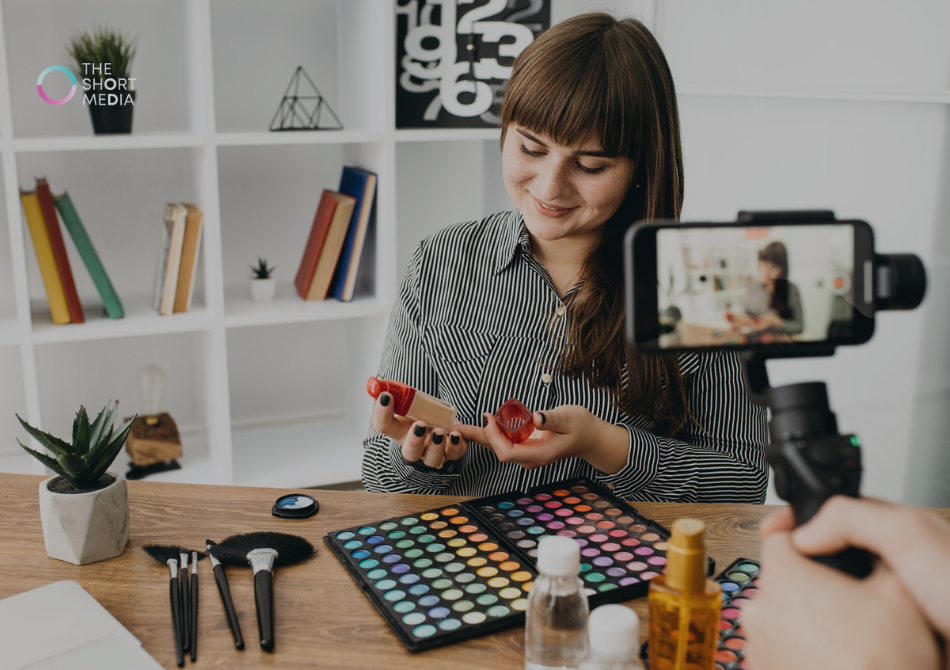
A few years ago, a lot of UAE brands were still treating TikTok like the “fun app” that sat somewhere outside the real media plan. You’d see polished Instagram reels reposted there, a logo slapped on the first frame, maybe a trend used three weeks after everyone had moved on. Predictably, the numbers looked weak. Then the same brands would say TikTok audiences “don’t convert.”
That usually wasn’t the problem.
What I’ve seen instead, especially with retail, beauty, food, and local service brands, is that TikTok punishes stiffness faster than almost any other platform. In the UAE, where audiences move between Arabic and English content all day and where trends can jump from Dubai creators to global product pages in hours, the gap between “made for TikTok” and “uploaded to TikTok” is pretty obvious. And expensive, if you’re paying for media.
That’s where digital marketing tiktok has become more than a channel experiment. It’s shaping how UAE businesses launch products, test offers, work with creators, and even write their product pages.
The UAE market moves fast, and TikTok fits that rhythm
The UAE has a pretty unusual mix for marketers. You’ve got highly mobile consumers, a young audience base, strong creator culture, heavy retail activity, and buyers who are already comfortable discovering products through short-form video. Add tourism, expat communities, local trends, and a strong appetite for visual content, and TikTok starts to make a lot of sense.
But marketing on tiktok in the UAE isn’t just about chasing views. It’s become a live testing ground.
A skincare brand can post three versions of the same product angle in a week: one focused on texture, one on “before makeup,” one on hyperpigmentation concerns. The comments tell you what the landing page forgot to answer. Sometimes very bluntly. I’ve seen viewers ask whether a serum pills under sunscreen, whether a supplement is safe during fasting hours, whether delivery to Sharjah takes longer than Dubai. Those aren’t vanity comments. That’s market research sitting in public.
For restaurants and cafés, the effect is even more immediate. A dessert spot in Dubai Marina doesn’t need a cinematic brand film. A quick clip of the actual pour, someone reacting in-store, maybe a creator saying the pistachio version is better than the chocolate one—honestly, that can do more than a polished promo. Especially if the post goes live before the weekend rush.
Why polished brand content often falls flat
This is where a lot of teams still get stuck. They assume better production means better performance.
Sometimes it does. Usually for brand campaigns, premium launches, or broader awareness work. But in marketing on tiktok, over-produced content often loses the thing that makes people stop scrolling in the first place. It looks too approved. Too clean. A creator reading a script a little too perfectly is often enough to tank the whole thing.
I’ve watched a home product brand test two videos for the same item: one studio-shot with a voiceover and soft lighting, the other filmed in a real kitchen with slightly bad shadows and a person saying, “Wait, this actually fixed the smell.” The kitchen video won by a mile. Not because it was “authentic” in some abstract way. It answered the exact concern buyers had.
That’s a big part of digital marketing tiktok right now. It rewards specificity over polish.
In the UAE, that often means:
- localized references that don’t feel forced
- creators who actually sound like they live there
- product demonstrations in real homes, cars, salons, gyms, or stores
- price and delivery clarity
- bilingual or culturally aware creative where it makes sense
Not every brand needs Arabic in every post, obviously. But teams that ignore local nuance entirely tend to make content that feels imported, even when the product is available just down the road.
Marketing on TikTok is changing how UAE brands launch products
Product launches used to be cleaner. Tease the item, book influencers, run paid ads, push to retail or ecommerce, then report on reach.
Now it’s messier, but better.
A lot of UAE brands are using marketing on tiktok before a full launch to test hooks, objections, and creator fit. A fitness brand might send samples to five creators with very loose direction and see which angle sticks. One talks about convenience. One focuses on taste. One accidentally reveals the real winning angle by filming the product after a late-night gym session in their car. That’s the version the paid team ends up scaling.
I’ve seen the same thing with beauty and Amazon-style products. A hair tool that looked average in product photography suddenly starts moving because a creator shows the back of her hair after using it in humidity. That’s a UAE-relevant use case. Much stronger than generic “salon results at home.”
This is also why tiktok promotion services have become more specialized. The old model—post on a few creator accounts and hope for a spike—doesn’t hold up well anymore. Brands want systems now: creator sourcing, whitelisting, paid amplification, comment mining, hook testing, retargeting, and a content pipeline that doesn’t die after one trend cycle.
The role of creators has shifted, quietly
There was a period when brands mostly looked for follower count and a nice-looking profile. That’s not enough now. Not even close.
The better UAE campaigns usually come from creators who can make a product feel native to their own content style. Not actors pretending to be users. Actual creators who know how to pace a video, where to place the product mention, when to leave in a small awkward pause, when not to over-explain.
That matters for marketing on tiktok because audience tolerance is low. If a creator sounds like they memorized a brief from a PDF, people know. They may not say it nicely, either.
For local services, this gets even more practical. A dental clinic, cleaning company, aesthetic practice, or meal prep brand can do well with creators who explain a real experience instead of “promoting” in the old influencer sense. The content doesn’t need celebrity energy. It needs credibility and timing.
A lot of tiktok promotion services now build around this reality. They’re not just matchmaking brands with creators. They’re helping shape raw concepts into ad-ready content, then testing which pieces work organically before scaling them with spend.
Paid media works better when the organic team is paying attention
This is one of those things that sounds obvious until you watch teams ignore it.
The paid social team pulls top-performing creative from creators. The organic team keeps posting trend content with no clear learning agenda. The ecommerce team updates the website separately. Everyone’s busy, but the feedback loop is broken.
Good digital marketing tiktok setups don’t treat organic and paid as separate planets. They use organic to surface language, objections, and visual patterns, then feed that into ad testing. If viewers keep asking whether a modest fashion item is breathable in summer, that should influence both creative and product copy. If comments keep complaining that a food product looks smaller than expected, fix the framing—or fix the offer.
Some of the strongest UAE campaigns are pretty simple operationally. They just pay attention faster than everyone else.
That’s also where tiktok promotion services can be genuinely useful, especially for brands without an in-house content engine. A decent partner won’t just send a performance report with view counts and vague “engagement insights.” They’ll tell you which hooks held attention, which creators looked too rehearsed, which comments signaled purchase intent, and which videos are worth turning into Spark Ads.
What UAE brands are getting right now
Not all of them, obviously. Plenty are still late to trends and weirdly obsessed with making every video look premium.
But the smarter ones are doing a few things well.
They’re building content around actual shopping behavior. A beauty brand shows how the shade looks in daylight outside the mall, not just under studio lights. A food brand films staff packing real orders during peak time. A home cleaning service records before-and-after footage in an apartment that looks lived in, not staged for a catalog.
They’re also getting more comfortable with volume. Not junk volume. Useful volume. In digital marketing tiktok, you usually need more creative swings than a traditional campaign team is used to. One hero video rarely carries the whole account.
And they’re using tiktok promotion services more selectively. Not as a shortcut, but as production and testing support.
This isn’t just about awareness anymore
For UAE businesses, TikTok is shaping product positioning, creator strategy, customer feedback loops, and paid performance all at once. That’s why digital marketing tiktok has become a serious part of market growth, not just a social add-on.
It influences what people notice, what they trust enough to click, and what they complain about before buying. Sometimes all in the same comment thread.
That’s messy. But useful.
If a brand can handle that pace—and stop trying to make TikTok behave like older channels—it has a real shot at building momentum in the UAE market.
FAQs
Q1: Is TikTok really useful for UAE businesses, or mostly for big consumer brands?
It’s useful well beyond big retail names. I’ve seen local clinics, cafés, ecommerce stores, and home service businesses get solid traction when the content feels specific to the offer and location. A luxury brand and a meal prep company won’t use the platform the same way, but both can learn from it.
Q2: How often should a brand post when starting with marketing on tiktok?
More often than most teams are comfortable with, at least early on. Not because volume magically fixes strategy, but because you need enough posts to see what people respond to. Three to five posts a week is a reasonable starting point if you can keep quality decent.
Q3: Are tiktok promotion services worth paying for?
Sometimes, yes. Especially if your team doesn’t have creator relationships, editing capacity, or a clear testing process. But if the service is basically “we’ll post your ad on influencer pages,” that’s pretty thin. You want someone who understands creative testing and paid amplification too.
Q4: What kind of content usually works best in the UAE?
Content that feels local without trying too hard. Real usage, clear product payoff, practical context, delivery details, pricing cues, and creators who don’t sound scripted. Humidity-proof beauty demos, restaurant experiences, modest fashion styling, apartment-friendly home products—those tend to connect because they reflect actual use.
Q5: Do brands need Arabic content for marketing on tiktok in the UAE?
Not always. English content can perform well, especially with expat audiences and certain categories. But ignoring Arabic entirely can narrow your reach, and sometimes more importantly, make your brand feel slightly out of touch. Even testing a few localized versions can teach you a lot.