
I watched a skincare brand spend three weeks polishing a launch video for TikTok. Clean lighting, tidy script, agency-approved hooks, the works. It looked expensive. It also flopped.
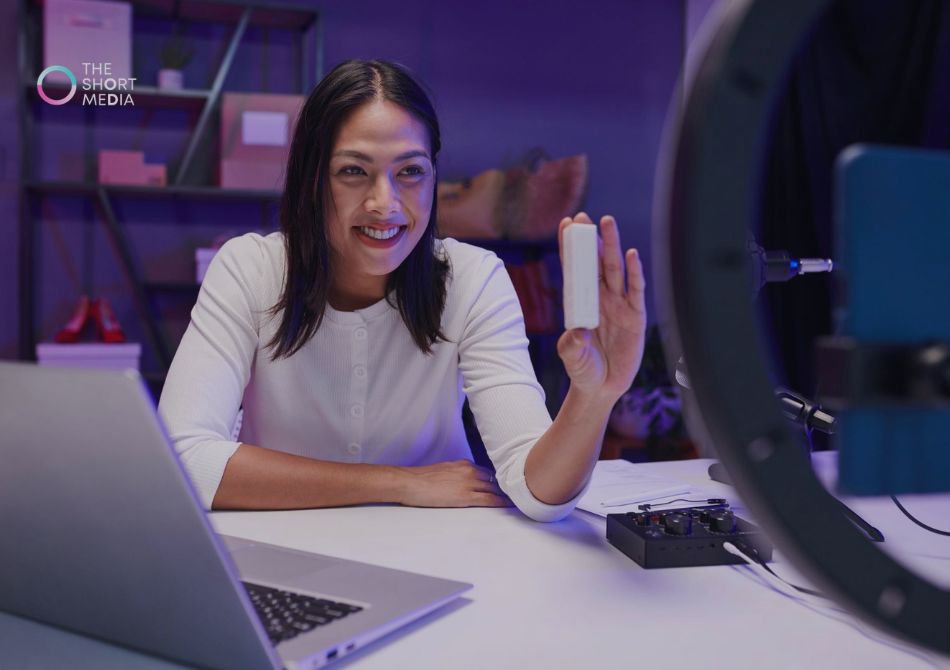
A few days later, a creator posted a rough clip from her bathroom sink, half talking to the camera, half trying the product while her little brother made noise in the background. That one moved product.
That gap tells you a lot about tiktok for marketing right now, especially if you're trying to understand younger audiences. Gen Alpha doesn’t browse the internet the way millennials did, and honestly, not even the way Gen Z did a few years ago. They’re growing up inside recommendation engines. Discovery is happening in-feed, through creators, comments, remixes, and weirdly specific micro-trends that can peak and die before a brand team finishes the brief.
And if you’re in the UAE or marketing to families, teens, and young shoppers in that region, you can feel the shift already. Product interest starts on video. Search behavior follows later.
TikTok for marketing isn’t just social anymore
A lot of marketers still talk about TikTok like it’s a social app where you post content and hope for reach. That’s a dated way to look at it.
For Gen Alpha, TikTok behaves more like a discovery layer sitting on top of culture, shopping, entertainment, and even search. A kid sees a mini waffle maker hack, a slime restock video, a skincare fridge setup, or a football training drill. Then they send it to a friend, mention it to a parent, search for it on Amazon, or ask for it in-store. The path is messy. But the spark often starts there.
That matters for marketing on tiktok because the platform doesn’t ask users to follow a brand first. It just keeps feeding them things they didn’t know they cared about yet. That’s a very different job from Instagram, where brand affinity used to carry more weight.
I’ve seen this with home products and food brands in the US. A simple kitchen demo, filmed with a phone and not much else, can outperform a studio ad because it feels like someone actually uses the thing. Same with fitness accessories. A resistance band set explained by a creator in her garage often gets stronger watch time than a polished campaign with perfect lighting and zero personality.
Gen Alpha is learning what to want from creators, not catalogs
This is the part some brands still resist.
Gen Alpha isn’t waiting around for official brand messaging. They’re picking up cues from creators, older siblings, gaming clips, “pack my bag” videos, mini hauls, room makeovers, lunch ideas, and comment sections. Even when they’re not the direct buyer, they’re influencing what gets asked for.
That’s why marketing on tiktok works best when brands stop acting like they’re delivering a message and start acting like they’re entering an existing stream of behavior.
A beauty brand might think it’s selling lip gloss. On TikTok, it may actually be competing to appear in a “get ready with me before school” format. A snack brand may think it needs a product spot. In reality, it might get more traction from a lunchbox assembly clip or a taste-test reaction from siblings arguing over which flavor is better.
That difference sounds small, but it changes the whole creative approach.
And comments tell you a lot. More than dashboards sometimes. I’ve seen comments reveal objections the sales page completely missed: “Does it spill in a backpack?” “Will this work on curly hair?” “Is it safe for sensitive skin?” “Can I get this in Dubai?” Those are discovery-stage questions, and they’re gold if you’re paying attention.
The feed rewards relevance, not brand polish
This is where brands get themselves into trouble. They see a trend, approve an idea two weeks too late, and post something that feels like a substitute teacher trying to use slang.
Gen Alpha notices that stuff fast.
The content that tends to travel isn’t always “high quality” in the traditional ad sense. It’s recognizable, native, quick to understand, and usually built around a moment. A reveal. A test. A reaction. A side-by-side. A fail, even. Sometimes especially a fail.
That’s why tiktok promotion services have become more useful when they’re tied to creative judgment, not just media buying or influencer lists. The good ones know when a product should be seeded to creators, when a paid spark ad makes sense, and when the brand should stay off-camera and let the product live inside someone else’s format.
There’s also a practical angle here for UAE-based brands. TikTok audiences in the region are highly mobile-first and trend-aware, but local context matters. Language choice, creator selection, modesty considerations in some categories, timing around Ramadan or school periods, even soundtrack preferences — those details affect whether content feels native or imported.
Why search is starting to look different
A lot of younger users now treat TikTok like a first-stop research tool, even if the final purchase happens elsewhere.
Not for everything, obviously. But for beauty, snacks, gadgets, room decor, school accessories, sports gear, and low-to-mid price impulse products? Absolutely.
You can see it in how people phrase things in comments and captions. They’re not searching like they’re on Google. They want to see the thing in use. They want opinions, proof, texture, mess, scale, speed. They want to know if the product survives real life.
That’s why marketing on tiktok often produces value beyond direct conversions. It shapes demand early. It gives products a visual memory. It creates familiarity before someone ever lands on a product page.
For Amazon sellers, this is especially noticeable. I’ve worked on campaigns where TikTok didn’t produce the cleanest attribution report, but branded search and Amazon product sessions climbed right after a wave of creator content. Not because the ad manager was magical. Because people remembered the demo.
What smart brands are doing with tiktok promotion services
Some brands still treat tiktok promotion services like a vending machine: pay budget in, get views out. That’s usually where disappointment starts.
The stronger approach is more layered. Use creators who already understand the audience. Test ugly content before expensive content. Pull language from comments. Cut paid ads from organic posts that already earned attention. Don’t force the brand voice into every frame.
A few patterns I keep seeing work:
Creator content that leaves room for personality
When creators read a script too perfectly, performance often drops. You can almost hear the brief. A better setup is giving them the product truth and a few non-negotiables, then letting them phrase it like a person.
That’s where tiktok promotion services can help if they’re actually managing creator fit well, not just collecting handles in a spreadsheet.
Product demos in normal environments
A mop in an actual kitchen. A protein snack in a gym bag. A desk organizer in a messy bedroom. This sounds obvious, but brands still overproduce content that scrubs out the context that makes the product make sense.
One DTC home brand I worked with had a studio edit that looked beautiful and underperformed badly. A rough creator video showing the product being used near a cluttered sink did much better. Real problem, real setting.
Faster feedback loops
Good tiktok promotion services don’t wait a month to tell you what happened. They spot patterns early: a stronger hook, a better creator angle, comments asking the same question, a version that keeps getting rewatches.
That pace matters because TikTok punishes slow teams more than bad teams sometimes.
The brands winning Gen Alpha attention don’t act like broadcasters
This is probably the biggest shift.
The old model was simple: build a campaign, push a message, repeat it until people remember. TikTok is less obedient than that. You’re not really broadcasting. You’re participating, testing, adjusting, and trying not to sound like the last platform’s version of yourself.
That’s why tiktok for marketing has become so influential with younger audiences. It doesn’t just place products in front of them. It gives products a role in culture, habits, jokes, routines, and recommendations.
And for Gen Alpha, those little moments add up. A toy, a lip balm, a water bottle, a sneaker cleaning foam, a lunch idea, a study lamp. They don’t discover these things from one polished campaign. They pick them up from repeated exposure in feeds that feel personal, even when they’re algorithmic.
For brands in the UAE and beyond, the practical takeaway is pretty simple: if you want relevance with younger audiences, don’t treat TikTok like a secondary channel. Treat it like a discovery engine with its own language.
That means better creator choices. Better timing. Better listening. Less corporate smoothing.
And yes, a little less perfection.
FAQs
Q1: Is TikTok really useful if Gen Alpha often isn’t the one making the purchase?
Very often, yes. They may not be checking out themselves, but they influence household buying more than some teams assume. You see it with snacks, beauty, school gear, room decor, and even small home gadgets that get added to carts after being mentioned a few times.
Q2: How often should brands post if they want traction?
Consistency matters, but daily posting with weak creative won’t save you. I’d rather see a brand test three thoughtful pieces a week, learn from them, and build from there than dump fifteen forgettable videos into the feed.
Q3: Do polished ads still work on TikTok?
Sometimes. But they usually need to feel native to the platform. If it looks like a TV spot chopped into vertical format, people scroll. Fast.
Q4: Are tiktok promotion services worth paying for?
Depends on what they actually do. If they’re only promising views, be careful. If they understand creator sourcing, paid amplification, content testing, and regional audience behavior, they can save a lot of wasted spend.
Q5: What kinds of products do best with marketing on tiktok?
Products that show well tend to have an easier start. Beauty, food, fitness gear, organizers, gadgets, cleaning products, and impulse-friendly retail items usually have clear visual hooks. Local services can work too, especially with before-and-after content or strong customer moments.