
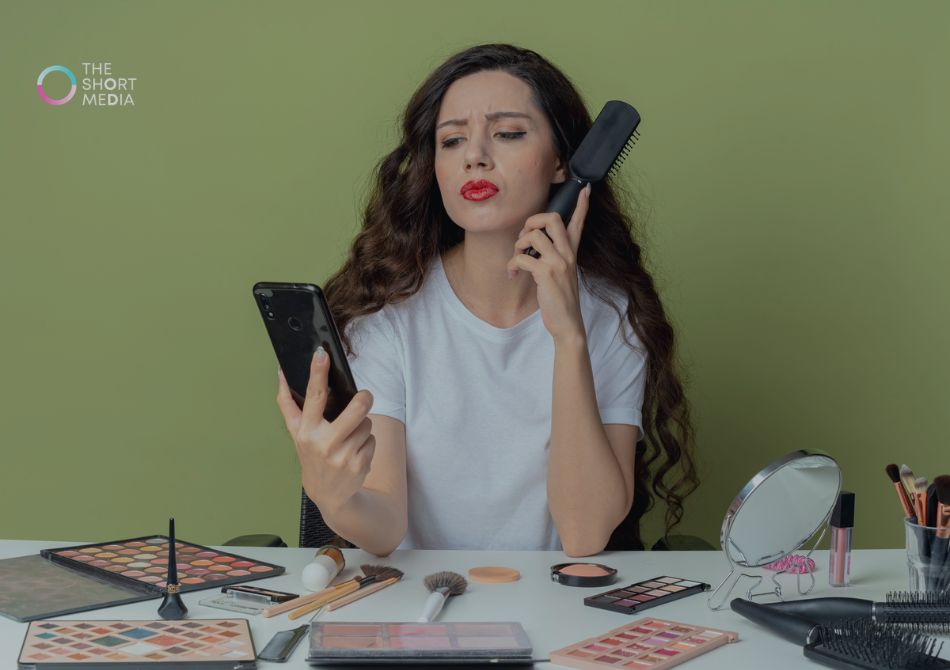
A few months ago, I watched a founder in Dubai film a lip oil video on her phone between meetings. No studio lights. No agency crew. Just a quick swatch in natural light, a close-up of the texture, and a slightly rushed voiceover about why the formula didn’t go sticky in the heat. That video did better than the polished campaign her team had spent weeks approving.
That’s pretty much where a lot of UAE beauty marketing sits right now.
The brands winning on TikTok aren’t always the ones with the cleanest brand books or the biggest production budgets. They’re the ones that understand how people actually scroll. Fast. Skeptical. Curious for about two seconds, then gone. And beauty, maybe more than most categories, fits that behavior really well. Texture, shade payoff, wear tests, skincare routines, “get ready with me” clips — it all translates.
What’s interesting in the UAE is that beauty brands aren’t just copying what worked in the US and hoping for the same result. The better teams are adapting for local audiences, local creators, local shopping habits, and the very specific mix of luxury, trend culture, and practicality that shapes the region.
Why TikTok suits beauty in the UAE so well
Beauty has always done well on visual platforms, but TikTok rewards something slightly messier and more immediate. A foundation oxidation test filmed in a bathroom can outperform a glossy campaign edit. A creator showing how a setting spray holds up during a humid Dubai evening often gets more trust than a polished product claim on a landing page.
That matters for tiktok brand marketing because beauty shoppers want proof, not just positioning.
In the UAE, the category also has a few advantages:
The audience is already used to discovery-led shopping
People in the region are comfortable buying beauty based on recommendation, routine content, creator demos, and social proof. That doesn’t mean they’ll buy from anyone. It means the path from “I’ve never heard of this” to “fine, I’ll try it” can be surprisingly short if the content feels believable.
I’ve seen comments do half the selling. Someone asks whether a concealer creases under the eyes. Three buyers jump in. That kind of thread can tell you more than the product page did.
Beauty products show well on camera
This sounds obvious, but it matters. Pigment, glow, texture, before-and-after clips, wear tests — beauty gives you built-in content formats. A hair serum with a frizz comparison in UAE humidity? Easy. A transfer-proof lipstick tested over coffee and lunch? Even better.
A lot of tiktok promotion services try to overcomplicate this. They don’t need to. Sometimes the best-performing content is just a creator in her car explaining why she repurchased the same brow gel twice.
The UAE brands getting it right aren’t acting like ad departments
Here’s where some teams go wrong. They hear “TikTok” and either post random trend content with no product logic, or they treat the platform like a TV slot and upload mini commercials nobody asked for.
The stronger UAE beauty brands sit somewhere in the middle.
They know how to make content that feels native without becoming chaotic. They brief creators with enough structure to stay on-message, but not so much that every line sounds memorized. You can always tell when a creator has been given a script and told not to change a word. The pacing gets weird. The emphasis lands in the wrong places. Comments get quiet.
That’s why a lot of smart brands are investing in tiktok advertising services that understand creator-style production, not just media buying dashboards.
What winning beauty content actually looks like
Not every post needs to be clever. Honestly, some of the best beauty content is pretty plain.
Product demos that feel lived-in
A product demo filmed in a real vanity setup usually beats a spotless studio table. Especially for skincare and makeup. People want to see where the product sits in a routine. They want to know how much is used, how it blends, whether it pills under sunscreen, whether the shade actually works on skin and not just under ring lights.
One UAE skincare brand I watched kept testing glossy campaign edits against simple “night routine” clips. The routine videos kept winning. Not by a little, either.
Creator content with a point of view
Not every creator needs millions of followers. For beauty, sometimes a smaller creator with a very specific audience does better. Acne-prone skin. Hijab-friendly makeup routines. Luxury fragrance layering. Curly hair in Gulf humidity. Those niches matter.
This is where tiktok promotion services can either help or waste your budget. If they’re just pulling creators by follower count, you’ll feel it in the results. If they understand audience fit, comment quality, and how a creator naturally talks about products, performance usually looks healthier.
Comments as market research
This part gets ignored too often. Comments tell you what the sales page missed.
I’ve seen people ask:
- Is it fragrance-free?
- Does it leave a white cast?
- Will this work on oily skin in hot weather?
- Is the shade range actually inclusive?
- Can I get it in-store in Dubai or only online?
That’s not fluff. That’s messaging guidance. Good tiktok brand marketing teams feed those objections back into creative, product pages, and even retail messaging.
Paid media matters, but not in the way some brands think
There’s still a weird habit of separating organic TikTok from paid TikTok as if they have nothing to do with each other. In practice, beauty brands that do well tend to let the two inform each other.
A decent organic post becomes an ad. A paid ad reveals a hook that should’ve been tested organically first. A creator clip gets reposted, then cut into shorter versions for retargeting. It’s less elegant than people want it to be. But it works.
That’s where experienced tiktok advertising services earn their keep. Not by making everything look polished, but by spotting what’s already resonating and scaling it without sanding off the personality.
And in the UAE, there’s another layer: multilingual audiences. English works. Arabic matters. Sometimes a bilingual creator will outperform a larger English-only creator because the content feels more grounded and regionally aware. Not every campaign needs both languages, but brands that ignore that choice entirely are usually leaving something on the table.
Why local context gives UAE beauty brands an edge
A lot of global beauty advice is built around US seasons, US retail behavior, and US creator culture. Useful, sure. But the UAE market has its own cues.
Heat, humidity, long-wear expectations, premium presentation, fast delivery, mall retail overlap, expat audiences, local Arabic-speaking consumers — all of that changes how products are discussed and sold.
A matte base product in New York winter gets marketed one way. The same product in Dubai probably needs a different conversation around wear, comfort, and finish. Same with haircare. Same with fragrance. Same with SPF, obviously.
The better tiktok promotion services and tiktok advertising services in this market understand those nuances. They don’t just import a content formula from somewhere else and hope it sticks.
What beauty brands should stop doing immediately
A few things, bluntly:
Stop joining trends two weeks too late
If a sound has already been used to death, your product launch won’t revive it. I’ve watched brands spend review cycles approving a trend post that felt old by the time it went live.
Stop over-scripting creators
You hired them because they know how to talk to their audience. Let them sound like themselves. Give them claims to hit, sure. But if every sentence feels legally reviewed, performance usually drops.
Stop treating every video like a conversion ad
Some videos are there to create familiarity. Some are there to answer objections. Some are there to push a sale. If every clip sounds like “buy now,” people tune out fast.
That’s a big part of tiktok brand marketing that gets missed by teams used to more traditional campaign planning.
The brands that keep winning will be the ones that stay flexible
Beauty moves quickly on TikTok, but not randomly. Patterns show up. Hooks repeat. Objections repeat. Creator styles cycle in and out. What changes is the packaging of the message.
Right now, UAE beauty brands have a real advantage if they’re willing to act less like broadcasters and more like sharp social teams. Test often. Keep the product visible. Learn from comments. Brief creators like collaborators, not actors. And don’t assume expensive content is the safe option. It often isn’t.
The brands pulling ahead understand that tiktok brand marketing isn’t about posting more. It’s about making content people will actually watch long enough to care, then giving paid media enough good material to work with.
That’s also why demand for tiktok advertising services and tiktok promotion services keeps growing in beauty. Not because TikTok is easy. It isn’t. But when the creative, creator fit, and local context line up, beauty brands in the UAE can move very quickly.
Sometimes all it takes is a phone, a good product demo, and someone who knows not to read the script too perfectly.
FAQs
Q1: Why are UAE beauty brands doing so well on TikTok right now?
They’re working in a category that naturally suits short-form video, and a lot of them have gotten better at making content that feels native to the platform. The stronger ones also understand local buying behavior, which helps. They’re not just posting pretty videos; they’re answering practical concerns people actually have.
Q2:Do beauty brands in the UAE need big influencers to win on TikTok?
Not really. Mid-sized and niche creators often do a better job, especially when the product needs context. A creator talking honestly about oily skin, modest beauty routines, or hair in humid weather can be more useful than a huge lifestyle account with broad reach.
Q3: Are paid ads necessary, or can brands grow organically?
Organic can take you far, but paid usually helps scale what’s already working. The best setup is when your organic posts teach you what angles people care about, and your ads push those angles harder. That’s where good tiktok advertising services tend to be worth the spend.
Q4: What kind of beauty content performs best?
Demos, wear tests, routines, comparisons, and creator reviews usually have the strongest legs. Not every video needs editing tricks. Sometimes a founder showing the texture of a cleanser in a sink-side clip does better than the expensive launch film. Happens more than people think.
Q5: Should UAE beauty brands create content in Arabic or English?
Depends on the audience, but many brands should at least test both. English-only content can still perform well, especially in expat-heavy segments, though Arabic or bilingual content often feels more locally relevant. It’s not just about translation either — tone matters.