
A few years ago, a UAE brand launch usually followed a pretty familiar pattern: polished Instagram creative, a PR push, maybe some mall activations, and paid media pointing people to a landing page that looked almost too clean to trust. Now? I’ve seen a product get more traction from a slightly chaotic TikTok demo filmed on a phone in someone’s kitchen in Dubai Marina than from a full week of carefully art-directed social content.
That shift matters.
If you work in retail, beauty, food, fitness, or even local services in the UAE, you’ve probably felt it already. Discovery doesn’t happen in one tidy channel anymore. It happens in feeds, in comments, in stitched reactions, in “I bought this because…” videos, and sometimes in a creator casually mentioning a product while doing something else entirely. That’s a big reason tiktok digital marketing has become such a serious part of the mix.
And to be honest, some brands are still approaching it like it’s just another place to repost ad creative. That usually goes badly.
TikTok digital marketing isn’t behaving like old social discovery
What’s different about TikTok in the UAE isn’t just scale. It’s the way people find brands without feeling like they’re being “marketed to” in the traditional sense.
A user in Abu Dhabi might discover a new skincare brand because a creator shows how it sits under makeup in actual daylight. Someone in Sharjah might find a local coffee spot through a fast-cut review that includes parking, price, and whether it’s worth the drive. A parent in Dubai sees a lunchbox product in a back-to-school video, heads straight to the comments, and gets the real objections answered there before ever visiting the website.
That last part gets overlooked a lot. Comments are doing some of the work product pages used to do.
I’ve seen this with DTC-style products and with more mainstream retail launches too. A beauty brand can spend weeks refining copy about “hydration” and “glow,” then a TikTok comment thread reveals what shoppers actually want to know: Does it pill? Does it work in humidity? Is it okay for oily skin in UAE weather? That’s useful. Much more useful than another polished caption.
For brands trying to improve tiktok for marketing, this is where the platform starts to become less about reach and more about reading behavior properly.
Discovery in the UAE looks local, fast, and a little messy
The UAE market has its own rhythm. Consumers are highly connected, visually literate, and used to seeing a lot of advertising. Which means they can spot over-produced brand content very quickly.
That doesn’t mean quality doesn’t matter. It does. But content that feels too controlled often gets ignored.
A creator reading a script too perfectly? People notice.
A brand joining a trend two weeks too late? Also obvious.
A luxury-adjacent brand trying to sound “relatable” with slang no one on the team would use in real life? Painful, honestly.
What tends to work better in marketing on tiktok is content that understands context. In the UAE, that might mean:
- showing how a product fits into daily routines here, not just generic global lifestyle footage
- acknowledging climate, convenience, delivery speed, or location
- working with creators who actually sound like themselves
- making room for Arabic and English content depending on audience segments
A home product brand, for example, might get stronger results from a creator showing how a storage item solves a small apartment problem than from a glossy “organized home” montage. A restaurant launch might get more saves from a quick video showing portion size, valet situation, and what AED 50 actually gets you.
That’s discovery now. Specific, social, and often slightly unpolished.
Why creators are shaping brand perception before brands do
A lot of UAE consumers are meeting brands through creators first, not through the brand’s own account. That changes the order of trust.
Not because creators are magically more persuasive. Sometimes they aren’t. Some creator content falls flat, especially when the brief is too stiff and every line sounds approved by legal. You can almost hear the brand manager in the script. Those videos rarely travel.
But when the fit is right, creators compress the discovery phase. A fitness creator can make a supplement brand feel familiar in 20 seconds. A modest fashion creator can show fabric movement better than a static ecommerce page ever will. A food reviewer can make a new dessert spot feel busy before it actually is.
This is where tiktok digital marketing gets interesting for UAE brands. It’s not only about ads or virality. It’s about who introduces your product, how they frame it, and whether the content gives people enough texture to care.
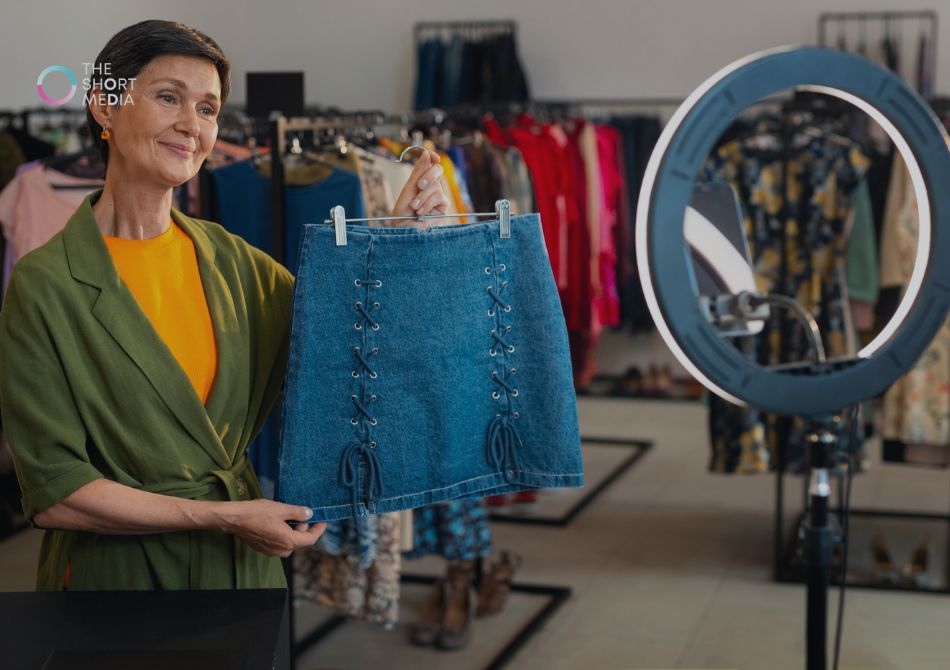
And texture matters. Studio footage often looks expensive, but a product demo shot in a real bathroom, kitchen, or car can outperform it because it answers practical questions faster.
TikTok for marketing works better when brands stop over-controlling it
This is the part some teams struggle with.
They want TikTok content to be on-brand, legally safe, premium-looking, trend-aware, conversion-friendly, and approved by six people. Fair enough. But once all of that gets layered in, the video often loses the thing that made it watchable.
Good tiktok for marketing usually leaves a little room for human behavior. Slight pauses. A creator going off-script for one sentence. A product being used in bad lighting but explained clearly. That stuff can feel more convincing than a perfect edit.
I’ve watched Amazon-focused brands in the US learn this the hard way. Their studio product videos looked fine, but a creator unpacking the item on a cluttered countertop drove more clicks because it felt like an actual purchase, not a campaign. UAE brands are running into the same pattern, especially in beauty, home goods, and impulse-friendly retail.
That doesn’t mean “just make it raw” is the strategy. Raw is not a strategy. It still needs a point of view.
For marketing on tiktok, the better question is usually: what would make someone stop, watch, and send this to a friend who might actually buy it?
Search behavior is changing too, and brands should care
TikTok isn’t replacing Google for everything, obviously. If someone needs insurance details or bank requirements, they’re not relying on a GRWM video. But for brand discovery, product comparisons, restaurant recommendations, beauty reviews, and local experiences, TikTok is often part of the search process now.
Especially among younger consumers in the UAE.
They’re looking up neighborhoods, cafes, skincare reviews, gym experiences, and “worth it or not” takes through short-form video because it gives quicker social proof. Not polished proof. Social proof.
That means tiktok for marketing isn’t just about publishing content. It’s also about making content that can be found later. Clear hooks, product names spoken on camera, useful captions, recognizable locations, creator phrasing that matches how people actually search. Small things, but they stack.
A local service business in Dubai, say a dental clinic or aesthetics practice, can benefit here too. Not by trying to dance into relevance, obviously. But by posting straightforward videos that answer real concerns, show the environment, explain pricing logic, and let staff sound like people. That’s still marketing on tiktok. Just without the usual clichés.
What UAE brands should do differently now
A lot of brands don’t need more content. They need better observation.
Watch which comments repeat. Notice where viewers drop off. Pay attention when a creator’s unscripted line gets quoted back in the comments more than the official product claim. That’s often the message worth building around.
A few practical shifts help:
Treat comments like research, not cleanup
If people keep asking whether a product works in heat, under a hijab, during a commute, or for a family setting, that’s not noise. That’s your next three videos.Brief creators loosely, then tighten only what matters
If every word is locked, the content usually stiffens up. Give them the non-negotiables, yes. But leave space for their own delivery.Make local context visible
UAE consumers respond to relevance. Show the mall pickup, the delivery timing, the neighborhood, the weather, the routine. Generic content tends to blur together.Don’t confuse production value with persuasion
Sometimes a retail launch video with clean motion graphics works. Sometimes a handheld “come with me” clip does more for saves and shares. You won’t know unless you test both.This is where tiktok digital marketing becomes less about chasing trends and more about understanding how people actually discover things now.
Not through one big brand message. Through dozens of small signals.
FAQs
Q1: Is TikTok really useful for UAE brands, or is it mostly for entertainment?
It’s obviously an entertainment platform first, but that’s exactly why discovery happens there so naturally. People aren’t arriving in “shopping mode,” yet they still end up finding cafes, skincare, fashion, gadgets, and local services through creators and casual product mentions.
Q2: What kinds of UAE businesses tend to do well on TikTok?
Beauty, food, fashion, fitness, home products, and local experiences usually have an easier starting point because they’re visual and easy to demonstrate. That said, I’ve also seen clinics, real estate teams, and education brands make it work when they stop trying to sound like brochure copy.
Q3: Do brands need influencers to succeed?
Not always. A strong in-house content approach can work if someone on the team understands the platform and can produce consistently watchable videos. But creators often help because they already know how to hold attention without sounding like an ad.
Q4: How polished should TikTok content be?
Less polished than most brand teams are comfortable with. Not sloppy. Just not overly sanitized. If the lighting is perfect, the script is perfect, and every shot looks approved by committee, performance can get weirdly flat.
Q5: Is marketing on TikTok expensive for smaller brands?
It doesn’t have to be. A smaller UAE brand can start with a few creator partnerships, simple product demos, and low-cost paid amplification behind the best-performing posts. You don’t need a huge production budget. You do need decent taste and patience.