
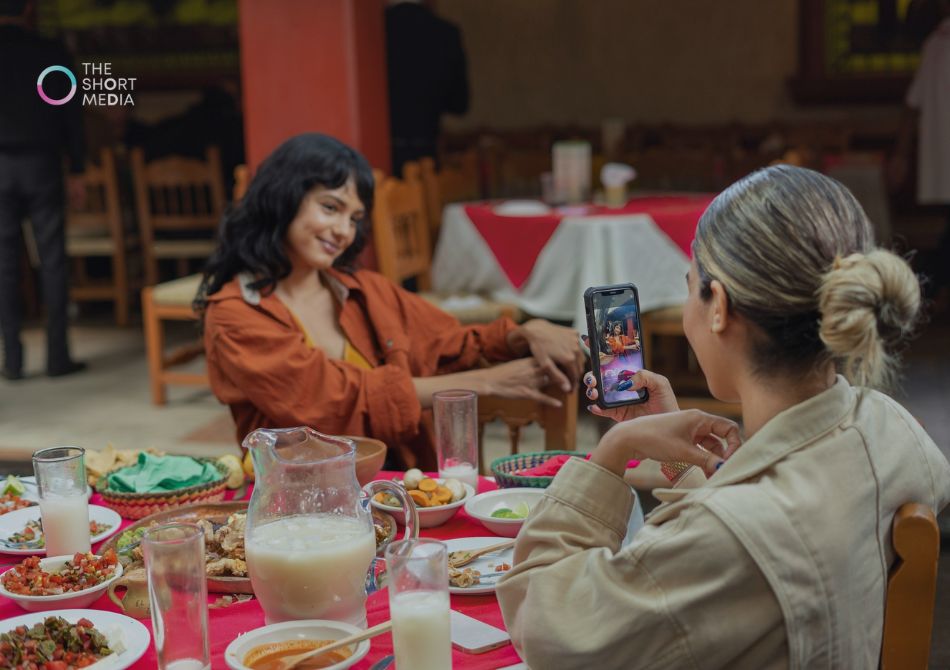
A few months ago, I watched a Dubai café post a dead-simple TikTok: a server carrying saffron milk cake through a packed room while someone behind the camera said, “This is why people wait 40 minutes.” No polished voiceover. No agency-grade lighting. Just a crowded dining room, clinking cutlery, and a dessert landing on the table.
It did numbers.
Not “viral” in the way people love to brag about on panels. But enough to drive comments, saves, DMs, and—more importantly—actual bookings that weekend.
That’s the thing a lot of restaurant owners in Dubai are figuring out: TikTok doesn’t need to make you famous. It needs to make people decide where they’re eating tonight.
And when tiktok business advertising is paired with the kind of content people already like to watch—messy cheese pulls, shawarma cut fresh off the spit, a chef plating in a rush before service, a very honest “we’re open till 2am”—it can move fast.
Dubai restaurants aren’t selling food first. They’re selling the night out.
This is where a lot of hospitality brands get it slightly wrong.
They think they’re posting menu items. But the videos that usually work are selling the full outing: the table vibe, the late-night energy, the valet convenience, the skyline view, the birthday sparkler, the fact that you can get good karak after midnight. In Dubai, that matters. People aren’t just choosing dinner. They’re choosing where the evening goes.
A sushi place in Jumeirah might show the omakase, sure. But if the comments are all asking about parking, dress code, and whether they need a reservation on Friday, that tells you what the video actually triggered. Interest in the experience, not just the tuna.
Good advertising on tik tok picks up on that. It doesn’t stop at “look at this dish.” It gives enough context for someone to picture themselves there tonight.
The restaurants doing well on TikTok don’t look overproduced
This one comes up constantly.
A lot of restaurant teams assume they need a glossy brand film before they can advertise on tik tok. Usually, they don’t. In fact, some of the worst-performing assets I’ve seen were the expensive ones—slow-motion pours, cinematic drone shots, dramatic music, zero human energy.
Meanwhile, a phone-shot clip of a hostess saying “if you come after 9:30, order this” can outperform it by a mile.
Why? Because TikTok is pretty unforgiving when content feels too rehearsed. You can spot it fast when a creator reads a script too perfectly. Same with restaurant staff trying to sound like an ad. It gets stiff. Comments go quiet.
The better-performing videos tend to feel like they caught a real moment:
- the grill firing during dinner rush
- a waiter showing the “most ordered” dish
- a customer reaction that wasn’t obviously staged
- a kitchen demo filmed near the pass, a little noisy, still believable
That kind of realism matters even more when you’re running tiktok business advertising. Paid distribution can amplify a strong piece of content, but it won’t rescue something that already feels fake.
What advertising on tik tok looks like for restaurants that actually need covers tonight
Let’s make this practical.
For restaurants, especially in a city as competitive as Dubai, TikTok works best when it’s tied to an actual business goal. Not vague awareness. Actual tables. Actual footfall. Actual weekday traffic.
That usually means a mix of organic content and paid support. The organic side helps you learn what people care about. The paid side helps you push the right message to the right audience at the right time.
A few formats I’ve seen work especially well:
Last-minute dinner pushes
This is underrated. A restaurant has lighter bookings on a Tuesday, so they run short-form creative in the afternoon with a clear angle: live music tonight, complimentary mocktail after 8pm, new tasting menu, terrace weather finally worth leaving the house for.
That’s where advertising on tik tok can be surprisingly useful. You’re not trying to build a six-month brand story. You’re nudging a decision already waiting to be made.
Dish-first creative tied to local behavior
Dubai audiences respond well to “worth it?” style content, oversized sharing platters, limited-time desserts during Ramadan or Eid periods, and genuine hidden-gem framing—though that last one gets overused fast.
A seafood spot in Business Bay might run a creator-style video showing exactly what AED 250 gets two people. That’s a better ad than a generic montage of interiors. People want the receipt, basically. They want to know if the place fits the occasion and the budget.
Creator-led table booking content
Not influencer fluff. Actual practical creator content.
A local food creator walks through:
- what to order if it’s your first visit
- whether you need to book ahead
- when the restaurant is busiest
- what’s good for groups versus date night
This style works because it answers objections before they block the booking. I’ve seen comment sections reveal things the restaurant website completely missed—whether kids are welcome late, whether portions are big enough to share, whether the outdoor seating is still too hot in October. That’s useful intel for future advertising on tik tok campaigns too.
tiktok business advertising works better when the offer is clear
Restaurants sometimes try to be too subtle.
If you want people in the door, say what’s happening. New lunch menu. Ladies’ night. Suhoor setup. Weekend brunch. Kids eat free on Sunday. Free dessert after 10pm. Valet available. Burj Khalifa view from the terrace. These details are not beneath the brand. They’re often the reason someone books.
I’ve seen teams hold back this information because they want the ad to feel more “premium.” Usually that’s a mistake.
Especially in hospitality, tiktok business advertising performs better when the viewer doesn’t have to work too hard. The creative should answer the basics quickly:
What is it? Where is it? Why tonight? How much? Do I need to reserve?
Not every video needs all five. But if none of them are clear, you’re asking people to do extra homework. Most won’t.
Why local targeting matters more in Dubai than people think
Dubai has a huge mix of residents, tourists, business travelers, and weekend crowd behavior that changes by area. A marina dinner ad shouldn’t necessarily be aimed the same way as a family restaurant in Mirdif or a late-night dessert spot in Deira.
That’s where advertise on tik tok decisions get more strategic.
A few examples:
- A premium DIFC restaurant may target office professionals during weekday lunch and couples for evening dining.
- A casual burger concept near a university area might push late-night offers and creator-style reviews.
- A mall-based café may benefit from Arabic and English variants depending on audience mix.
- A beachside venue could rotate creative based on weather, sunset timing, and tourist season.
This sounds obvious, but a lot of campaigns still run with one video, one audience, one message. Then people decide TikTok “didn’t work.” Usually the setup didn’t work.
The best restaurant ads often start as normal posts
This is probably the most useful habit to build.
Before you spend heavily, post content organically and watch what earns attention without media spend. Not just views—watch time, comments, shares, profile visits, saves. If one clip gets people asking for location, menu, or reservation details, that’s a strong signal.
Then advertise on tik tok using that post or a close variation of it.
That approach tends to beat making “ad creative” in a boardroom. I’ve seen a simple kitchen clip with on-screen text—“our most ordered starter after 11pm”—outperform a planned campaign because it felt like something a real customer would stop for.
And yes, trends can help, but restaurants often join them too late. By the time a sound has fully crossed into every other reel on your feed, it’s usually tired. Better to move quickly on a format that suits your brand than force a trend that already passed two weeks ago.
What gets in the way
A few recurring problems:
Too much menu, not enough context
Ten dishes in 12 seconds sounds exciting until nobody remembers the restaurant name or where it is.
Scripts that feel weirdly corporate
If the chef would never say it in real life, don’t make them say it on camera.
No proof of atmosphere
For restaurants, empty-room footage can quietly hurt. Even if the food looks good, people want signs of life.
Sending traffic to a bad booking experience
This one hurts. You can advertise on tik tok all day, but if the reservation link is clunky, mobile-unfriendly, or missing key info, the campaign leaks.
Restaurants that win here treat TikTok like service, not just promotion
That’s maybe the shift.
The strongest restaurant accounts in Dubai don’t just post ads. They answer comments. They clarify timings. They mention parking. They tell people whether walk-ins are realistic. They explain what’s spicy, what’s shareable, what’s new this week.
That kind of responsiveness improves organic content, and it sharpens tiktok business advertising because you stop guessing what matters to customers.
A lot of the useful messaging is already sitting in your comments section. People will tell you exactly what’s stopping them from booking.
FAQs
Q1: Do Dubai restaurants need a big budget to start with TikTok ads?
Not really. A smaller restaurant can start with a modest spend behind one or two strong pieces of content and learn quickly. The bigger issue is usually creative quality and targeting, not budget alone.
Q2: Is advertising on tik tok better than Instagram for restaurants?
Depends on the restaurant and the kind of traffic you want. Instagram still matters, especially for repeat customers and polished discovery, but TikTok can create faster bursts of interest around specific dishes, offers, or nights of the week.
Q3: What kind of videos tend to perform best for restaurants?
Usually the ones that feel real. Busy dining room clips, dish reveals, staff recommendations, creator visits, quick “what to order” breakdowns. A product demo filmed in a kitchen often beats studio content. Bit less pretty, bit more convincing.
Q4: Should restaurants work with food creators in Dubai?
Often, yes—if the creator’s audience actually matches your customer. A local creator who gets detailed comments about pricing, location, and reservation tips can be more useful than someone with bigger reach but vague engagement.
Q5: How often should a restaurant advertise on tik tok?
Not every post needs paid support. A lot of teams do better by posting regularly, spotting what naturally gets traction, then putting budget behind the winners during key trading periods.