
A while back, I watched a luxury fragrance brand post a beautifully shot TikTok from a marble-heavy studio set. Perfect lighting. Perfect model. Perfect product placement. It did fine, I guess. Then two days later, a much simpler clip took off: a close-up of the bottle on someone’s vanity, a hand spraying it before a dinner in Dubai, a quick reaction in the caption about how the scent “stays on abayas and blazers way longer than expected.” That one felt lived in. Not expensive-for-the-sake-of-expensive. And people responded.
That’s the tension luxury brands in the UAE have had to work through on TikTok. For years, prestige marketing was built around distance. Controlled visuals, polished campaigns, carefully rationed access. TikTok pushes in the other direction. It rewards texture, timing, personality, and a certain level of informality. Not messy, exactly. Just less guarded.
The interesting part is that some UAE luxury brands have figured this out faster than people expected. They haven’t abandoned brand standards. They’ve just stopped treating TikTok like a cut-rate version of a glossy ad campaign.
Why a tiktok marketing company sees luxury differently on TikTok
If you’ve worked with a tiktok marketing company on premium brands, you know the first internal objection usually sounds the same: “We can’t look cheap.” Fair. But looking native to the platform and looking cheap are not the same thing.
The UAE luxury market has a specific advantage here. Consumers in Dubai and Abu Dhabi are already highly visual, highly social, and very comfortable moving between aspiration and immediacy. A customer might discover a fine jewelry piece in a creator video, save it, see it again through paid media, then walk into Dubai Mall that weekend. That path is shorter than a lot of old-school brand teams want to admit.
The stronger teams don’t force TikTok into the old luxury playbook. They reshape the playbook a bit. A solid tiktok marketing company usually helps with that by separating what must stay premium from what can loosen up. Packaging details? Keep them elegant. Tone of voice? Still refined. But the content itself can breathe.
And honestly, it should.
The UAE brands that win don’t overproduce everything
This is probably the biggest mistake I still see. A brand spends heavily on a launch video, crops it vertically, adds trending audio two weeks too late, and calls it TikTok content. It rarely lands.
The UAE luxury brands getting traction tend to mix levels of production. They’ll have one polished hero asset, sure. Then they support it with more casual pieces: boutique walkthroughs, founder snippets, close-up craftsmanship shots, styling clips, event prep, staff picks, even quick reactions to customer demand.
That mix matters for tiktok brand marketing because viewers can tell when every frame has been over-approved. Sometimes the content is so polished it feels like it belongs on an airport screen, not in a feed between a GRWM and a restaurant review from Jumeirah.
I’ve seen a luxury home fragrance product do better with a simple unboxing filmed in a real apartment than with the expensive campaign film behind it. Same product. Same market. Different energy. The apartment video gave people scale, context, and a little imagination. You could picture it in your own space.
That’s a big part of tiktok brand marketing for luxury: helping people picture the item in real life without flattening the prestige.
They treat creators like collaborators, not rented faces
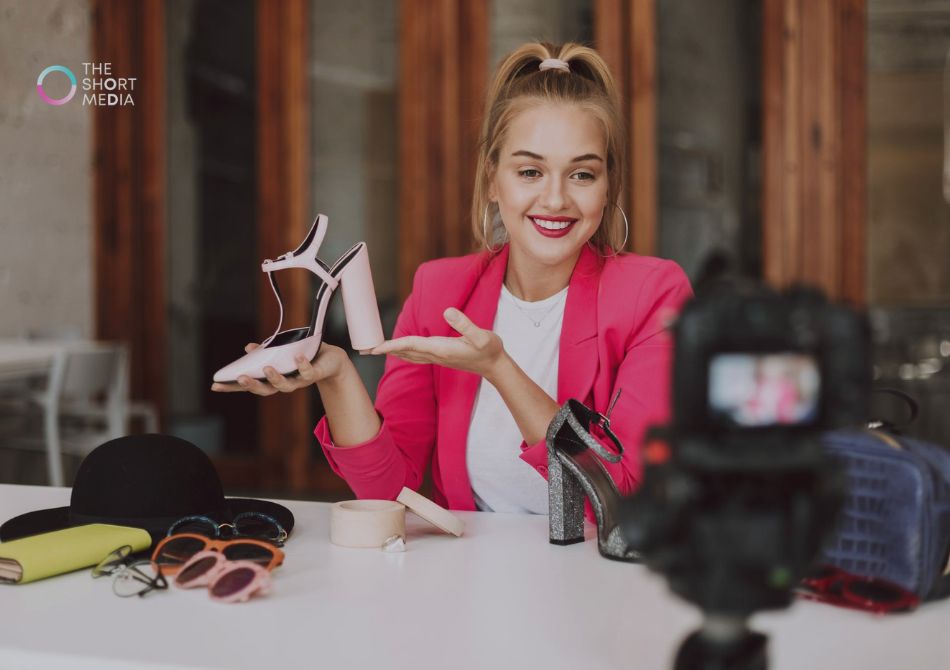
A lot of luxury teams still brief creators too tightly. Every line scripted. Every gesture planned. You can feel it immediately. The creator starts sounding like a press release with eyelash extensions.
The better-performing UAE campaigns usually give creators a lane instead of a script. Maybe the brand needs three product truths covered, one event mention, and a link cue. Fine. But they let the creator phrase it like a person who would actually say it.
That’s where a good tiktok marketing agency earns its fee. Not by finding the biggest creator with the glossiest media kit, but by matching the right voice to the right product moment. A niche modest fashion creator in the UAE might move more qualified attention for a luxury accessories brand than a broader lifestyle influencer who looks great but doesn’t really sell.
And comments tell you a lot. More than some teams want to hear. On one beauty launch, the comments kept asking whether the formula would hold up in heat and humidity. The original sales page barely addressed that. The next round of creator content did, and conversion improved. Not magic. Just listening.
That kind of feedback loop is central to tiktok brand marketing, especially in a market like the UAE where lifestyle context matters. Climate, occasion, gifting culture, Ramadan timing, wedding season, travel habits — all of it shapes what people care about.
The smart ones build for local culture without making it feel forced
This is where many international brands stumble in the UAE. They localize too late, or too superficially. A desert shot, a skyline shot, a little Arabic text added at the end. Done. Not really.
Luxury brands that are actually connecting on TikTok tend to understand the rhythm of the market better than that. They know when gifting spikes. They know what content feels relevant before Eid. They know that a luxury café collaboration in Dubai can become content, not just PR. They know some audiences want Arabic voiceover, while others respond better to bilingual captions and strong visual storytelling.
A tiktok marketing agency with UAE experience usually catches these nuances early. They’ll flag when a trend is already tired in the region, or when a creator’s audience skews tourist-heavy instead of resident-heavy. That stuff matters. A lot.
I’ve also seen tiktok brand marketing work especially well for retail openings and limited drops in the UAE because there’s already a strong culture around being first, being seen, and sharing where you went. But the content still has to feel current. If the opening-night video gets posted after the social buzz has moved on, it loses that edge fast.
Paid TikTok matters, but not in the lazy way
Luxury brands sometimes treat paid social as a rescue plan. Organic content underperforms, so they put budget behind it and hope the algorithm changes its mind. Usually not.
The brands doing this well use paid to amplify content that already has some pulse. Maybe not viral. That word gets thrown around too casually. But content with strong hold rate, saves, useful comments, or a clear product curiosity signal.
A tiktok marketing company worth hiring should be testing multiple creative angles, not just boosting one approved video over and over. Product detail clips, creator testimonials, event footage, craftsmanship close-ups, styling content, even founder commentary. Different hooks pull different buyers.
That’s especially true in luxury beauty, jewelry, fashion, and home products. A hero visual might catch attention, but a product-in-use clip often gets the stronger response lower in the funnel. I’ve watched a kitchen-counter skincare demo outperform a studio asset because people could actually see the texture and routine. Slightly annoying for the expensive production team, maybe. Useful for sales, though.
A seasoned tiktok marketing agency also knows when to avoid pushing too hard on direct response language. Luxury audiences still need room. Sometimes the strongest ad doesn’t shout “shop now.” It simply creates enough desire and clarity that the next click feels natural.
What tiktok brand marketing gets wrong when luxury teams panic
When numbers dip, some brands swing too far. Suddenly they’re chasing every trend, using audio that doesn’t fit, posting jokes the brand would never make anywhere else. It’s awkward. Audiences notice.
Good tiktok brand marketing for luxury isn’t about acting like a mass-market snack brand. It’s about becoming more observant, more responsive, and a little less stiff. There’s a difference.
The UAE brands that get this right tend to keep a clear center. They know their visual codes. They know their customer. They know what kind of creator feels aligned. Then they adapt the delivery for TikTok instead of pretending TikTok should adapt to them.
That’s usually where a tiktok marketing company helps most: not by making a luxury brand louder, but by making it more legible on the platform.
It’s not about looking less premium
This is the part some executives still resist. TikTok doesn’t require luxury brands to become casual in a careless way. It asks them to show proof. Proof of quality. Proof of relevance. Proof that someone might actually wear, use, gift, display, or talk about the thing outside a campaign set.
And UAE luxury brands are in a pretty strong position to do that. The retail environments are visual. The hospitality scene creates natural content moments. The customer base is used to documenting experiences. There’s already material there, if the team knows how to capture it without sanding off all the personality.
A strong tiktok marketing agency or tiktok marketing company won’t try to turn a luxury house into something it’s not. They’ll help it stop posting like it’s still waiting for magazine approval.
That shift sounds small. It isn’t.
FAQs
Q1: Do luxury brands really need TikTok if they already have Instagram?
They probably don’t need it in the sense of survival. But if they want cultural relevance, product discovery, and a better read on what people actually react to, TikTok gives them something Instagram often doesn’t. The comments alone can be more revealing.
Q2: Is TikTok too casual for high-end fashion or jewelry in the UAE?
Only if the brand confuses platform-native content with low-quality content. Some of the best luxury posts are still elegant, just less stiff and less ad-like.
Q3: How often should a luxury brand post on TikTok?
More often than most luxury teams are comfortable with. Two to four times a week is a decent working rhythm for many brands, especially if they’re testing creators, retail moments, and product stories. Posting once every ten days won’t teach you much.
Q4: Should luxury brands use influencers or smaller creators?
Usually both, but for different jobs. Bigger names can help with reach and event visibility. Smaller creators often do a better job driving believable product interest, especially when they already speak to a niche like fragrance, modest fashion, skincare, or interiors.
Q5: What does a tiktok marketing agency actually do for a luxury brand?
Ideally, more than editing videos and pulling reports. They should shape creative direction, source the right creators, test paid concepts, spot weak briefs, and stop the brand from posting trend content that already expired last week.