
A few months ago, I watched a decent ad die in the first three seconds.
It wasn’t badly produced. Nice lighting. Clean product shot. Proper logo placement. The media buyer had done their job. The offer was fine too. But it felt like an ad in the most obvious, slightly stiff way. On TikTok, especially in the Middle East, people can smell that instantly. Scroll.
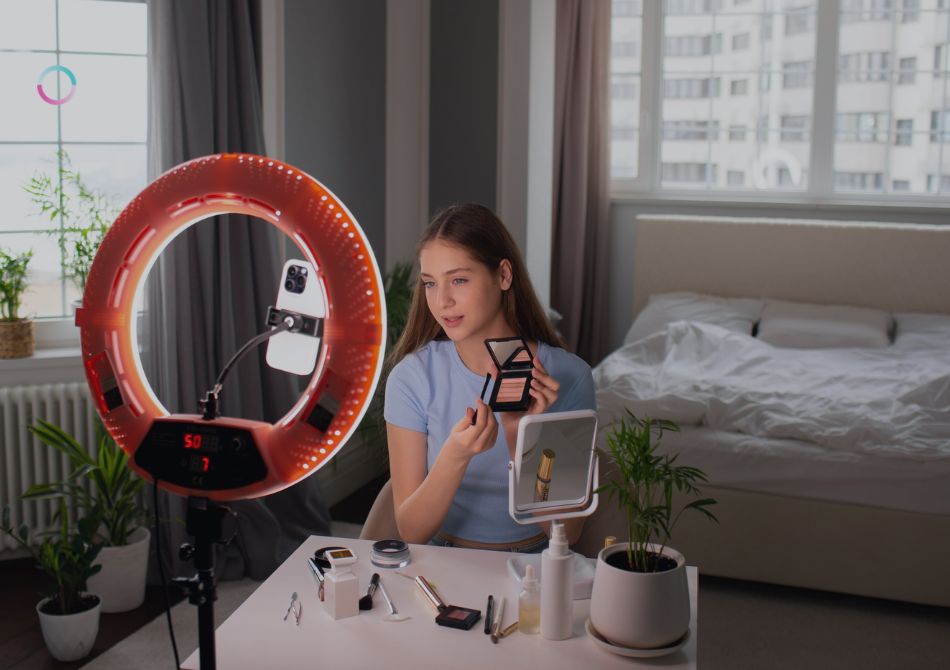
Then there was the other version. Same product. Same budget. Filmed more casually, with a creator speaking in a mix of English and Arabic, showing the product in a real apartment instead of a polished set. Comments started coming in fast. Not just vanity comments either. Real buying signals. “Does it ship to Dubai?” “Is this good for oily skin in summer?” “Need this before Eid.” That’s the difference creativity makes. Not “creative” in the awards-show sense. Creative in the sense of making content people will actually stay with.
That’s where a lot of brands get TikTok wrong. They think success comes from copying trends or throwing money at media. In practice, the strongest tiktok marketing services are usually built around one uncomfortable truth: if the creative doesn’t fit the platform, the targeting can’t save it.
TikTok in the Middle East isn’t just a media buy
The Middle East, and the UAE in particular, has a very specific TikTok environment. It’s multilingual, trend-aware, mobile-first, and honestly a bit less forgiving of lazy brand content. Audiences move fast. Cultural timing matters. Tone matters. What feels playful in one market can feel off in another. What sounds natural in English may need a totally different delivery in Arabic to land properly.
I’ve seen brands run the exact same asset from the US into the UAE and wonder why performance drops. Usually the problem is obvious. The references are wrong. The pacing is off. The creator sounds like they memorized a script written by legal. Or the brand jumped on a trend two weeks too late, which is basically ancient history on TikTok.
Good tiktok advertising services in this region don’t just localize captions and call it a day. They rethink the content from the ground up. Different hook. Different setting. Sometimes a different creator entirely.
Creativity is what gets you past the first thumb-swipe
People talk a lot about hooks, and fair enough, because weak openings kill spend fast. But the hook isn’t just a loud sentence at the top of the video. It’s the whole first impression. Face, tone, framing, pace, even whether the background feels real.
A beauty brand selling in the UAE might do better opening with a creator saying, “I didn’t expect this to survive Dubai heat, but…” than with a generic “Get ready with me.” That first line carries context. It signals relevance. It sounds lived-in.
That’s the kind of thinking that makes brand marketing on tiktok work. Not random energy. Specificity.
For food brands, I’ve seen simple kitchen-shot videos outperform glossy campaign edits because they feel believable. One restaurant launch used a creator filming a late-night order at home, slightly messy countertop and all, and it beat the polished hero ad by a wide margin. Same menu items. Same promo. Different level of trust.
And trust on TikTok is often built through texture. A hand-held demo. A slightly imperfect line read. Comments left visible on a Spark Ad. Tiny things, but they matter.
Why polished creative often underperforms
A lot of legacy brands still bring TV instincts into TikTok. They want control. Tight scripts. Heavy branding in the first second. Perfect edits. The result usually looks expensive and performs like a warning.
That doesn’t mean low effort wins. It means over-controlled content usually loses.
The strongest tiktok marketing services tend to build systems for creative testing rather than betting everything on one “big idea.” You need multiple angles, multiple creators, different hooks, different lengths. Sometimes the ad that wins is the one nobody in the boardroom would’ve picked. A founder talking into their phone. A customer demo filmed in a bathroom mirror. A product comparison shot in bad weather. Not glamorous, but it works.
I’ve also seen comments reveal objections the landing page completely missed. A home product ad was getting solid view time, but the comments kept asking whether it worked on rental apartment walls. The original ad never addressed that. A revised version did, right in the opening visual, and conversion rate improved. That’s creative strategy too. Listening, then adjusting.
The Middle East needs cultural fluency, not just translation
This is where many tiktok advertising services separate themselves. Running ads in the Middle East means understanding more than language. Ramadan timing changes behavior. Summer affects beauty, fashion, food delivery, and fitness messaging. Family-oriented purchase decisions show up in categories where Western brands often assume the buyer is acting alone.
For UAE campaigns, I’d usually rather see a brand make three culturally aware creative versions than one “regional” ad trying to speak to everyone at once. Dubai alone has enough audience variation to make that approach feel blunt.
And creators matter more than some brands want to admit. The right creator can make a product feel native to the feed. The wrong one can make even a good offer feel awkward. You can always tell when someone is reading a script too perfectly. Their face changes. The comments get colder. Watch time drops. People don’t need cinematic realism. They need social realism.
That’s why brand marketing on tiktok in this region often works best when the brand loosens its grip a little. Give creators talking points, yes. But don’t flatten their voice. If they normally speak with a mix of humor, opinion, and casual side comments, let them do that. That’s probably why their audience pays attention in the first place.
Performance teams need better creative habits
A lot of paid social teams say they care about creative, but what they really mean is they need more assets by Friday.
That’s not the same thing.
Strong tiktok marketing services usually connect paid media, creator management, and creative strategy much more closely than traditional campaign structures do. The media team should be feeding back retention data. The creative team should be reviewing comments. The brand team should know which claims are triggering skepticism. If those teams work in separate lanes, creative gets slower and flatter.
For example, a fitness app targeting Gulf audiences may find that transformation-style messaging underperforms compared to routine-based content. Not because the product is wrong, but because the ad feels too aggressive or too generic. A creator showing how they fit 20-minute sessions around work and family life can land better than a dramatic before-and-after setup. Again, not theory. Just what the feed tends to reward.
This is also why tiktok advertising services shouldn’t be judged only by their ability to launch campaigns. The real value is in iteration. Can they spot that one hook is getting strong hold rate but weak clicks? Can they tell when a creator is right for awareness but wrong for conversion? Can they rebuild the ad fast, without turning it into corporate mush?
What creativity actually looks like in TikTok ads
Not every winning ad needs a trend. Honestly, a lot of trend-chasing is lazy.
On TikTok, creativity often looks more practical than people expect:
- A better opening line
- A more believable setting
- A creator who sounds like themselves
- A product demo that answers the obvious objections early
- A version tailored for UAE shoppers instead of a global catch-all edit
That’s the less glamorous side of brand marketing on tiktok, but it’s the side that tends to produce results.
I’ve seen Amazon-focused brands do well with plainspoken comparison videos. I’ve seen local service businesses get leads from direct-to-camera explainers that looked almost too simple. I’ve seen retail launches perform better when the ad showed what the product looked like in an actual store visit, not just in a campaign montage.
Creativity isn’t decoration here. It’s the delivery system for relevance.
The brands that win usually stop trying to look like brands
There’s a point where every company has to decide whether they want TikTok ads that look approved, or TikTok ads that people might actually watch.
The better tiktok marketing services push clients toward the second option, even when it makes people a little nervous. Especially in the Middle East, where audience context matters so much, creativity has to do more than attract attention. It has to feel socially fluent. Timely. Comfortable in the feed.
And that doesn’t come from templates.
It comes from testing real ideas, working with creators who understand the audience, and treating comments and retention data like part of the creative brief. The media side matters, obviously. But if the ad feels copied, delayed, or over-rehearsed, the feed usually tells you pretty quickly.
That’s why brand marketing on tiktok is less about producing more content and more about producing content with better instincts.
FAQs
Q1: Why does creative matter so much more on TikTok than on some other platforms?
Because people decide almost immediately whether your video belongs in their feed. On search or marketplace platforms, intent does more of the work. On TikTok, the creative has to earn attention first, then hold it.
Q2: Should brands in the UAE use Arabic-only content?
Not always. A lot of UAE campaigns perform well with English, Arabic, or a mix of both depending on the audience and category. The bigger issue is whether the delivery feels natural. Forced bilingual content can be worse than picking one language and doing it well.
Q3: Are high-production videos a bad idea?
Not automatically. They just need to feel native enough that they don’t create distance. If the ad looks like a TV spot dropped into a social feed, performance usually gets rough.
Q4: How many creative versions should a brand test?
More than one or two, usually. I’d rather test several hooks and creator styles than spend weeks polishing a single “hero” ad. TikTok gives feedback fast, so you want enough variation to actually learn something.
Q5: What kinds of creators work best for brand campaigns?
The ones who can make a product recommendation sound like something they’d genuinely say. Follower count matters less than fit. I’d take a smaller creator with good pacing and believable delivery over a bigger one reading a stiff script any day.