
A few months ago, I was looking at a UAE campaign report for a consumer brand that had done everything “right” on paper. Clean Meta creative. Strong offer. Decent landing page. Good media budget. TikTok was treated like the side experiment, mostly because the team assumed it was still a platform for dance trends and Gen Z jokes.
TikTok ended up being the channel people actually talked back on.
Not just likes. Useful comments. Questions about delivery in Dubai. Someone asking if the product worked in humid weather. A few people tagging friends in Abu Dhabi. One creator-style product demo, shot on a kitchen counter with slightly bad lighting, beat the polished ad cut by a wide margin. That happens more than some teams want to admit.
If you’re building a social strategy in the UAE right now, ignoring TikTok usually means missing where attention is a bit messier, a bit faster, and often more commercial than brands expect. Not every company needs to go all-in. But most need to take it seriously.
The UAE audience doesn’t behave like a copy-paste Western media plan
A lot of brands still plan social as if every market should follow the same paid social playbook. The UAE doesn’t really reward that kind of laziness.
You’ve got a highly connected population, heavy mobile usage, multilingual audiences, and a consumer base that moves pretty comfortably between global trends and local context. People in Dubai might see the same beauty trend as someone in Los Angeles, but they’ll still care whether shipping is fast to the UAE, whether the creator feels culturally aware, and whether the product is actually available nearby.
That’s where tiktok digital marketing becomes useful, not just trendy. It gives brands a place to test creative in a way that feels closer to live audience feedback than traditional polished campaign rollouts. You see reactions quickly. Sometimes painfully quickly, to be honest.
I’ve seen UAE brands post a trend two weeks too late and get almost nothing. I’ve also seen a niche food brand use a simple “here’s how it actually looks when delivered” video and suddenly get comments from people who had been hesitating because the menu photography felt too polished. That kind of friction shows up fast on TikTok.
advertising on tik tok works when the creative stops trying so hard
This is usually the hard part for established brands.
A lot of teams come into TikTok with TV instincts or Instagram instincts. They want the logo in the first second, a polished script, a perfect set, maybe a sleek voiceover. Then they wonder why watch time drops off a cliff.
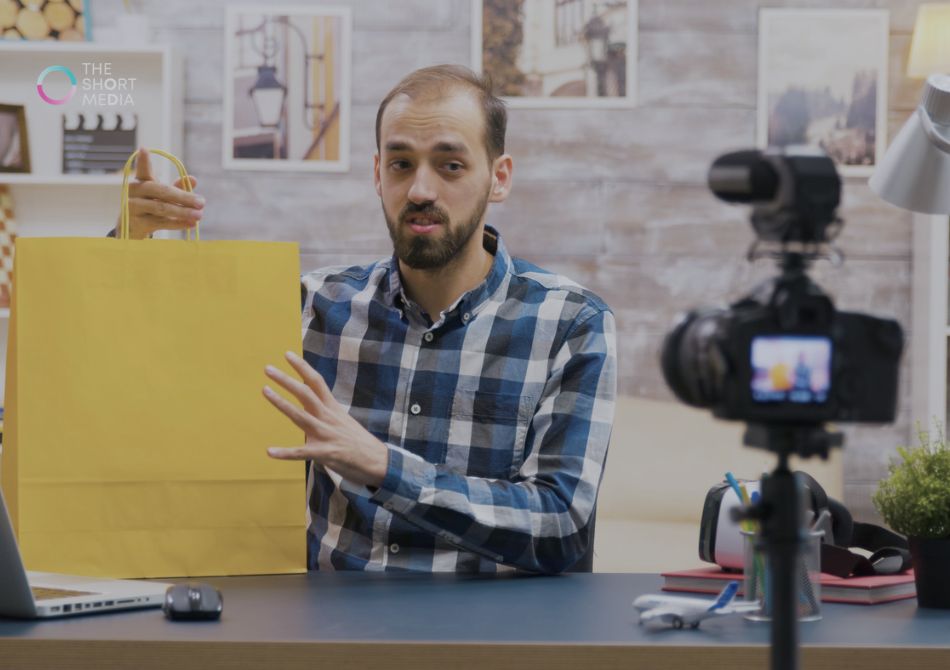
On TikTok, people are pretty good at spotting when an ad is overly controlled. Especially in categories like beauty, home products, fitness, and food. A creator reading a script too perfectly can tank a video. It just feels off. Meanwhile, a slightly rambling product demo filmed in a real apartment often performs better because it answers the question viewers actually had.
That’s why advertising on tik tok isn’t just about buying media. It’s a creative operating model. The brands doing well in the UAE are usually the ones treating TikTok as a testing ground, not a dumping ground for resized Instagram assets.
For tiktok digital marketing, that means building multiple cuts, different hooks, and creator-led variations. Not one hero ad. Usually five or ten pieces that each try a different angle.
One ad might focus on speed of delivery in Dubai. Another might show how a product fits into a daily routine during a hot summer week. Another might just tackle objections straight from comments. That last one is underrated.
The comment section is doing strategy work for you
This is one of the most practical reasons TikTok matters.
When a campaign starts spending, the comments often tell you what your landing page, product page, or offer page forgot to explain. I’ve watched comments reveal sizing confusion for a fashion brand, ingredient concerns for a skincare launch, and a lot of skepticism around “before and after” claims for fitness products. Useful stuff. Not vanity metrics.
For UAE brands, this can be especially valuable because audience expectations can vary a lot across language, price sensitivity, and lifestyle. A premium home product might attract interest from one segment and hesitation from another. A local service brand might discover that people care less about the discount and more about response time and whether WhatsApp booking is available.
That feedback loop is part of why tiktok digital marketing has become more central to social planning. It’s not just media buying. It’s message testing in public.
And if you pair that with tiktok influencer marketing, things get even sharper. Creators often surface objections and use cases that internal teams miss because they’re closer to how people actually talk.
Why tiktok influencer marketing fits the UAE market so well
The UAE is a strong market for creators, but not in a simplistic “pick the biggest influencer” way. That approach burns budget fast.
What tends to work better is matching the creator to the buying context. A beauty creator showing foundation wear in UAE heat. A food creator reviewing actual delivery quality, not just the menu. A fitness creator demonstrating a product in a real gym or apartment setup. A home organizer filming in a lived-in kitchen, not a studio set pretending to be one.
That’s where tiktok influencer marketing earns its keep. Good creators know how to make a product feel like part of a routine instead of a forced sponsorship. Bad creator content, though, is obvious in seconds. You can almost hear the email brief in the script.
For brands in the UAE, tiktok influencer marketing also helps localize without overproducing. You don’t always need a massive campaign shoot. Sometimes you need six creators with different audience pockets, each speaking naturally to a slightly different use case.
And then the smart move: whitelist the best-performing creator content into paid. That’s where advertising on tik tok gets more efficient. You’re not guessing what might work. You’re scaling what already got traction.
Paid and organic shouldn’t be run by two different planets
I still see this problem a lot. The organic team posts trends and community content. The paid team runs conversion ads. Nobody shares learnings. Then both sides blame the platform.
In practice, tiktok digital marketing works better when paid and organic are feeding each other. Organic tells you what style, hook, or product angle gets attention. Paid tells you what converts when budget is behind it. Creator content can sit in the middle and do both.
A UAE retail launch, for example, might start with organic teaser videos, creator store visits, and product reactions. Then paid supports the strongest clips with geo-targeted spend around Dubai and Abu Dhabi. If comments show confusion about pricing or availability, the next wave of creative fixes that. Simple enough. But teams often overcomplicate it.
The same thing applies to tiktok influencer marketing. Don’t treat creator posts like isolated PR moments. Use them as creative inputs for the broader media plan.
Some categories in the UAE are especially well suited to TikTok
Not every category wins equally, but a few tend to have a natural fit:
Beauty, skincare, and personal care
Texture shots, wear tests, routines, ingredient reactions. These formats travel well. In the UAE, climate-specific concerns make the content even more relevant. Sweat, humidity, long wear, SPF texture — people care.Food delivery, cafes, and restaurant launches
A phone-shot tray reveal can outperform a glossy promo video. Especially when people want to know portion size, packaging, and whether the food arrives looking sad.Fitness and wellness
Supplements, gym accessories, recovery products, at-home equipment. Here, tiktok digital marketing works best when the content feels demonstrated rather than declared.Home and practical products
Cleaning tools, kitchen gadgets, storage solutions, Amazon-style problem solvers. These do well when the demo is clear and the payoff happens quickly.Local services
Clinics, salons, real estate, education, car services. This is where a lot of UAE brands still underuse TikTok. A local service with strong creator explainers and location-aware paid support can punch above its weight.What UAE brands usually get wrong
Usually it’s not the platform. It’s the behavior.
They post too few creatives. They approve scripts that sound like legal reviewed every word. They expect one video to carry the whole campaign. Or they hire creators and then edit out the creator’s personality, which sort of defeats the point.
With advertising on tik tok, volume and variation matter. So does speed. If your team takes three weeks to approve a trend response, you’ve missed it. If every ad looks like a repurposed brand film, the audience can tell.
And with tiktok influencer marketing, don’t overpay for reach if the creator can’t actually sell an idea naturally. I’d take a mid-tier creator with strong comments and believable delivery over a huge account with sleepy engagement almost every time.
FAQs
Q1: Is TikTok really necessary for every UAE brand?
Not every brand, no. But a lot more brands should test it seriously than currently do. If your audience is mobile-first, visually driven, and likely to respond to creator content or demos, it’s worth being in the mix.
Q2: How much budget should a UAE brand start with?
Enough to test multiple creatives properly. A tiny budget spread across one or two videos won’t tell you much. Usually the smarter move is to fund a small batch of varied creative first, then put spend behind the clips that show signs of life.
Q3: Does TikTok only work for younger audiences?
That’s the lazy assumption. Plenty of categories with broad age appeal do well there, especially beauty, food, home products, and local services. The creative just needs to match the audience instead of trying to act younger than it should.
Q4: What’s the difference between TikTok ads and creator campaigns?
Ads give you targeting, scale, and cleaner performance tracking. Creator campaigns give you content that feels more native and believable. In practice, they work best together, which is why tiktok influencer marketing often ends up feeding paid campaigns.
Q5: How long should TikTok videos be?
There’s no magic number, which annoys people who want a neat rule. Short works when the hook is immediate. Longer works when the product needs a demo or explanation. I’ve seen a 12-second kitchen gadget clip do great, and a 38-second skincare wear test do even better.