
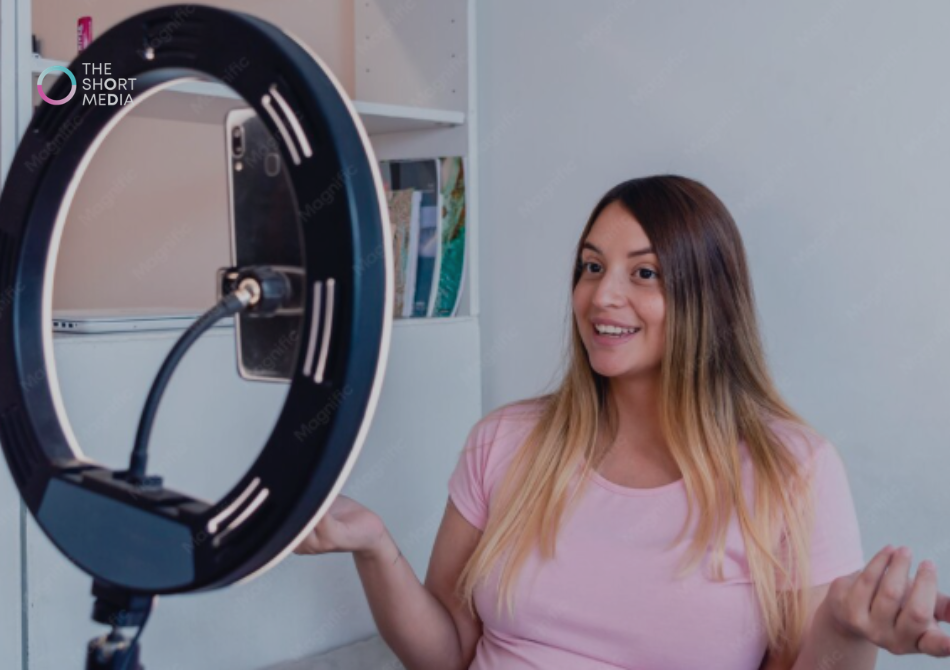
A few years ago, a lot of Dubai brands treated TikTok like a side project. Someone on the team would repost an Instagram Reel, add a trending sound, and hope for the best. You could usually tell. The video looked polished in the wrong way, the caption sounded like ad copy, and the comments were either empty or full of people asking basic questions the brand should’ve answered in the video.
That’s changed. Not everywhere, obviously. Plenty of brands are still posting content that feels like it was approved by six people and enjoyed by none of them. But the local businesses that are actually getting traction in Dubai—cafes, beauty clinics, restaurants, boutique fashion labels, even home service companies—aren’t treating TikTok like a billboard anymore. They’re using it more like a conversation, and sometimes like a testing lab.
That shift matters. Especially in a city where attention moves fast, trends burn out quickly, and audiences are split across locals, expats, tourists, and multiple languages. If you’re selling in the UAE, copying a US brand’s TikTok strategy word for word usually falls flat. The brands doing well here have figured that out.
Why Dubai brands can’t fake TikTok for long
Dubai is a very visual market, sure, but that doesn’t automatically mean glossy content wins. In fact, some of the best-performing videos I’ve seen from local brands were shot on a phone under terrible cafe lighting, with a staff member explaining one thing clearly in 18 seconds.
A skincare clinic showing what happens during a real consultation. A dessert shop filming the first tray out of the oven at 7:15 a.m. A home fragrance brand packing Ramadan gift boxes on the floor of a small warehouse. Not perfect. Better because of it.
TikTok tends to expose the gap between what a brand thinks customers care about and what people actually stop to watch. Comments are useful for that. Sometimes painfully useful. I’ve seen comments on beauty videos reveal that customers were confused about pricing, downtime, and whether a treatment was safe for darker skin tones—stuff the landing page barely mentioned. That’s the kind of feedback you don’t get from a polished brand shoot.
This is where digital marketing tiktok gets interesting for local businesses. It’s not just about reach. It’s about seeing what language people use, what objections show up right away, and which product angles deserve more budget.
The Dubai brands getting it right aren’t posting “ads”
That sounds obvious, but a lot of teams still miss it.
The strongest local TikTok accounts usually build around a few repeatable content types rather than trying to make every post a campaign. A restaurant might rotate between behind-the-scenes kitchen clips, staff taste tests, customer reactions, and quick “what to order if you like…” videos. A salon might post transformations, stylist commentary, product myths, and little slices of salon life.
It works because viewers know what kind of content they’re getting, but it doesn’t feel repetitive if the people on camera are real and the timing is right.
One Dubai fitness studio I watched grow fast on TikTok didn’t start with expensive production. They had instructors filming short clips after class, sweaty and a bit out of breath, talking about common mistakes in reformer Pilates. Those videos did more than the glossy launch content. Why? They felt specific. Also, they sounded like humans.
That’s often where tiktok marketing services help—not by making the content look more “premium,” but by helping brands build a content system that still feels native to the platform.
Where tiktok influencer marketing actually helps
A lot of brands in the UAE still approach creators like they’re booking a billboard with a face attached. They send a script, ask for three key messages, request a luxury aesthetic, then wonder why the post gets polite engagement and no real movement.
You can spot over-managed creator content immediately. The creator pauses half a second too long before saying the product name. The talking points are too neat. The enthusiasm sounds rented.
Good tiktok influencer marketing in Dubai looks looser than that. The brand gives a direction, maybe a product truth or offer to focus on, and lets the creator translate it for their own audience. That matters whether you’re launching a new coffee spot in Jumeirah or pushing an Amazon-friendly cleaning product into UAE households.
For local campaigns, smaller creators often outperform bigger ones. Not always, but often enough that it should change how brands budget. A micro creator who actually lives in Dubai and films their real routine in their apartment can drive more useful comments and saves than a polished lifestyle account with broad GCC reach and weak local trust.
I’ve seen this with food launches especially. A creator filming a casual car review of a new burger meal outside the restaurant can beat a highly produced dine-in video because it feels immediate. Same with beauty. A creator showing how a tint wears during a hot Dubai afternoon tells you more than a studio swatch ever will.
That’s why tiktok influencer marketing works best when brands stop trying to control every frame.
TikTok content that tends to work in the UAE
Not every winning format is unique to Dubai, but the local context changes how people respond.
Fast proof beats polished explanation
If you sell a service, show the result fast. Not after a long intro. A cleaning company can show a real before-and-after in the first two seconds. A dental clinic can lead with a smile transformation. A tailoring brand can show the fit correction before explaining the process.
This sounds simple. It is simple. And still, brands overcomplicate it.
Staff members often outperform hired talent
A lot of local businesses underestimate how much trust a receptionist, chef, technician, or founder can build on camera. Especially when they know the product well and don’t sound rehearsed.
One of the more common mistakes I see with digital marketing tiktok is hiring someone who looks right for the brand but has no natural rhythm on camera. They read the script too perfectly, and the content dies. Meanwhile, a store manager with decent lighting and one honest explanation can pull in comments for days.
Comment sections are part of the creative
If people keep asking whether a cake is too sweet, whether a treatment hurts, whether a dress is modest enough for an event, that’s not just engagement. That’s your next five videos.
The better Dubai brands are using comments as content prompts. Not occasionally. Constantly.
Timing matters more than teams want to admit
Joining a trend two weeks too late is still very common. So is spending so long reviewing a post that the sound has already peaked. Local brands that do well usually have someone empowered to post quickly, not just someone tasked with “handling social.”
That’s another place tiktok marketing services can make a real difference. Speed, editing rhythm, creator coordination, paid amplification when a post starts moving—those operational pieces matter more than people think.
Paid and organic need to stop acting like strangers
Some of the best TikTok performance comes from content that wasn’t originally made as an ad. A product demo filmed in a kitchen. A founder answering a customer complaint. A stylist explaining why one haircut keeps frizz down in humidity. Those pieces often carry more weight than a scripted ad concept because they’ve already proven they can hold attention.
For Dubai brands, that’s especially useful when budgets are tight. Instead of producing one expensive hero campaign, it’s often smarter to create a lot of native content, see what gets traction, then put paid spend behind the winners.
That’s where digital marketing tiktok becomes less about “posting consistently” and more about building a feedback loop between content, comments, creators, and media buying.
And yes, tiktok influencer marketing can feed that loop too. A strong creator video doesn’t have to live once on their page and disappear. It can become Spark Ads, landing page content, whitelisted media, even retail launch support.
Why local context matters more than trend-chasing
Dubai audiences are mixed. A video that lands with long-time residents might not land the same way with tourists. A joke that works in one segment may not travel. Language choices matter. So does tone. Brands that win here usually understand their real customer well enough to stop copying whatever a big US DTC brand did last month.
A homegrown fashion label in Dubai, for example, might do better showing outfit styling for Eid gatherings, workwear in summer heat, or modest layering ideas than trying to recreate a generic “day in my life” trend. A local cafe may get more traction from showing peak-hour chaos, staff personality, or repeat customer orders than from cinematic latte pours with moody music.
That’s why tiktok marketing services need local market sense, not just editing skills. The same goes for tiktok influencer marketing. If the creator fit is wrong, the content rarely recovers.
What smart Dubai brands are really buying
They’re not just buying content. They’re buying speed, pattern recognition, creator fit, and a better read on what customers actually care about.
The brands pulling ahead on TikTok in Dubai aren’t necessarily the loudest or the most polished. They’re the ones willing to test rougher content, trust people on camera, and pay attention when the audience tells them something useful.
And usually, the useful stuff is right there in the comments.
FAQs
Q1: Do local Dubai brands need a big budget to win on TikTok?
Not really. Some of the strongest content comes from simple phone-shot videos with a clear point. If you’re spending heavily before you know what your audience responds to, you’re probably doing it backwards.
Q2: How often should a brand post on TikTok?
Three to five times a week is a solid starting point for most local businesses. More important than frequency, though, is whether you can keep the content fresh and native. Forced daily posting gets ugly fast.
Q3: Is tiktok influencer marketing worth it for smaller businesses?
It can be, especially with micro creators who already speak to a local niche. A neighborhood cafe, salon, or boutique doesn’t need the biggest creator in the UAE. It needs someone believable.
Q4: What kinds of businesses in Dubai tend to do well on TikTok?
Beauty, food, fashion, fitness, home products, clinics, and local services all have room to do well. The common thread isn’t the category. It’s whether the business can show something real, useful, or oddly satisfying in a few seconds.
Q5: Should brands use Arabic and English content?
Usually yes, if that reflects the actual customer base. But don’t force bilingual content into every post. Separate videos often perform better than trying to make one piece do everything.