
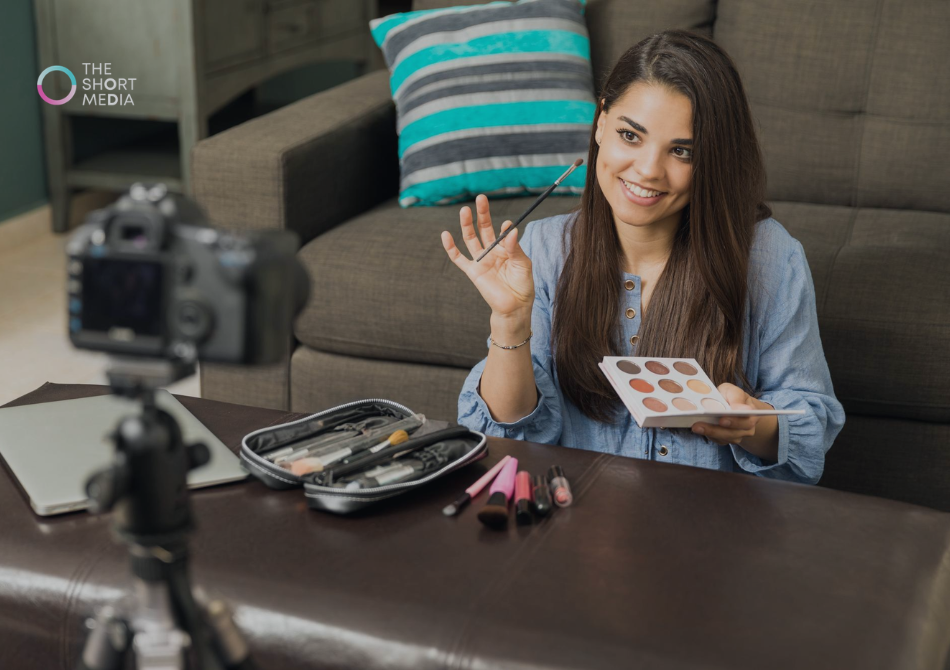
A few months ago, I watched a skincare brand approve a polished TikTok ad that looked expensive, clean, and completely dead on arrival. Same week, a creator filmed a quick demo in her bathroom mirror, missed a line in the script, laughed, kept going, and that version ended up carrying the campaign. Lower CPMs, better watch time, stronger click-through, more comments that actually sounded like buying intent.
That’s pretty much the tension with TikTok. A lot of brands still want it to behave like Meta did in 2018. Tight brand control. Predictable creative rules. Clean funnel logic. TikTok doesn’t really reward that mindset for long.
If you’ve spent time in paid social, you can feel where things shifted. Performance marketing used to be easier to separate into neat buckets: brand on one side, conversion on the other, creative as the wrapper. On TikTok, those lines blur fast. The content itself does more of the selling, the comments become part of the landing page, and the ad account can only do so much if the video feels stiff.
That’s why more brands are reworking their approach to tiktok digital marketing, not just their media buying.
Performance marketing got messier — and better
The old playbook wasn’t exactly elegant, but it was stable. You could run a product-focused video ad, push traffic to a landing page, retarget site visitors, and optimize over time with pretty clear benchmarks. Still works in some channels. TikTok is different because the user behavior is different.
People don’t show up there in a shopping mindset the way they might on Amazon or Google. They’re scrolling. They’re half-watching. They’re reading comments. They’re deciding in about a second whether your content belongs in their feed or whether it’s an ad trying too hard.
That changes what “performance” even means.
I’ve seen DTC home product brands obsess over click-through rate while ignoring the fact that their hook was getting skipped instantly. I’ve seen food brands focus on ROAS from one campaign while the real signal was buried in the comments: “Does this work in an air fryer?” “Why is nobody showing the inside texture?” “Is this in Whole Foods yet?” Those are objections, purchase triggers, and merchandising questions all sitting in public view. Good teams use that. Weak teams treat comments like background noise.
With tiktok digital marketing, creative testing is less about swapping headline A for headline B and more about figuring out whether the first two seconds feel native enough to earn attention.
A TikTok Growth Agency usually spots the real problem faster
A lot of brands assume they need better targeting. Sometimes they do. More often, they need better creative systems.
A strong TikTok Growth Agency usually comes in and finds the obvious stuff first: the scripts sound approved by six stakeholders, the creator is reading too perfectly, the product benefit lands at second 11 instead of second 2, and the visual setup looks like an ad from another platform. That’s usually where the waste is.
I’ve seen this with beauty launches in the US where the brand insisted on studio lighting and polished product shots because they were rolling out to Sephora and wanted everything “premium.” Fair enough. But the videos that moved product were the ones showing texture on skin, a creator saying she didn’t expect to like the scent, and someone filming in a car after buying it. Slightly chaotic. Much more believable.
That’s where a TikTok Growth Agency can be useful. Not because agencies magically know trends, but because the good ones understand how performance, creator direction, editing rhythm, and paid distribution actually connect.
And if you’re operating in the UAE or targeting audiences there, the same principle applies with a local twist. The content still has to feel native, but cultural context matters more. Humor, language mix, regional references, modesty considerations in beauty or fashion, even the way offers are framed — all of that affects whether tiktok digital marketing works or just burns budget.
TikTok digital marketing is forcing paid social teams to work differently
This is the part some teams struggle with. TikTok doesn’t fit neatly into the old org chart.
Creative can’t sit too far from media buying. Community managers can’t be left out of campaign learning. Influencer teams can’t work in a separate silo and hand over content that was never meant to convert. If your paid team is launching ads without reading comment threads or watching creator footage before the final cut, you’re probably missing half the signal.
For a fitness brand I worked with, the breakthrough wasn’t a new audience strategy. It was noticing that every high-performing comment thread had some version of the same concern: “Is this actually supportive for high-impact workouts?” The product page talked about comfort, softness, and style. Not enough proof on performance. Once the creative started showing jump tests, side angles, and post-workout reactions, conversion rate improved. Not glamorous. Just closer to what buyers were asking for.
That’s the practical side of tiktok digital marketing. It’s not just trend participation. It’s feedback collection in public.
The ad that wins usually doesn’t look like the ad the brand wanted
This happens constantly.
A founder wants a clean explainer. The team writes a careful script. Legal trims the claims. The creator delivers it perfectly. Everyone signs off. Then a rougher version filmed in a kitchen, with worse lighting and a stronger first line, beats it by 40%.
Why? Usually because the rougher version gets to the point faster and sounds like a person, not a campaign.
I’ve seen Amazon-focused product brands do especially well here. A simple “I bought this because my cabinet was a mess” opener can outperform a feature-led script by a mile. Same with local service businesses. A med spa or dental clinic doesn’t need to mimic every trend. But a receptionist answering the top three questions patients always ask? That can work really well if it feels natural and the edit isn’t overcooked.
A good TikTok Growth Agency will usually push a brand to make more versions, not more polished versions. That distinction matters.
What’s changing for attribution, budgets, and expectations
TikTok has also made some marketers a little more honest, which is healthy.
There’s less room now for pretending performance comes only from targeting precision or dashboard optimization. Creative fatigue hits fast. Offers matter. Landing pages still matter. Creator fit matters a lot. Sometimes the best-performing ad doesn’t “look on-brand” in the traditional sense, but it gets watched, clicked, shared, and remembered.
That creates tension inside companies, especially larger ones.
Retail brands launching new products often want consistency across channels. Understandable. But tiktok digital marketing often works better when the content feels slightly looser than the rest of the campaign. Not off-brand. Just less staged. If every frame looks like it came from a seasonal brand shoot, users can smell it immediately.
Budgets are shifting because of this. More teams are putting money into creator sourcing, editing, and creative iteration before they scale spend. Smart move. Media buying can amplify what’s already working, but it can’t rescue a video that nobody wants to watch.
That’s also why a TikTok Growth Agency is often judged too narrowly. Clients ask about ad spend efficiency, but the bigger value is often upstream: creative process, testing volume, creator management, comment mining, and knowing when a trend is already two weeks too late. Which, honestly, happens a lot. By the time some brand managers approve a trend adaptation, the audience has moved on.
TikTok isn’t replacing performance marketing. It’s exposing weak performance marketing.
That’s probably the clearest way to put it.
It exposes lazy creative. It exposes landing pages that don’t answer obvious objections. It exposes brands that don’t understand how their customers actually talk. It also rewards teams that are willing to test ugly, listen to comments, and stop treating social video like a TV commercial cutdown.
The brands doing this well aren’t always the biggest. Sometimes it’s a niche snack company, a hair tool brand, a cleaning product on Amazon, a regional restaurant chain, or a UAE retailer using creators who actually sound like local customers. They don’t always have the fanciest assets. They just understand that tiktok digital marketing is part creative instinct, part media discipline, and part listening.
And yes, sometimes the best sales video is still the one someone filmed at home with a slightly awkward pause in the middle. That’s not a theory. That’s just what keeps happening.
FAQs
Q1: Is TikTok only useful for younger audiences?
Not really. Plenty of campaigns aimed at millennial shoppers perform well, especially in beauty, home, food, and wellness. The mistake is assuming everyone on the platform wants the same style of content.
Q2: Do you need a big budget to make TikTok work?
You need enough budget to test properly, but not a massive one. I’d rather see a brand fund 12 decent creative variations than put everything into two expensive hero videos and hope for the best.
Q3: What does a TikTok Growth Agency actually do?
The useful ones do more than run ads. They help shape creative angles, source or direct creators, review comment patterns, test hooks, and figure out why something is or isn’t converting. The media buying is only part of it.
Q4: How is tiktok digital marketing different from regular paid social?
It’s more dependent on creative feel and pacing. On some platforms, you can get away with a fairly standard ad structure. On TikTok, if the opening feels forced, people are gone before your offer even appears.
Q5: Should brands use trends to drive conversions?
Sometimes, but not blindly. A trend can help if it fits the product and still leaves room for a clear message. Chasing every trending audio usually turns into clutter.