
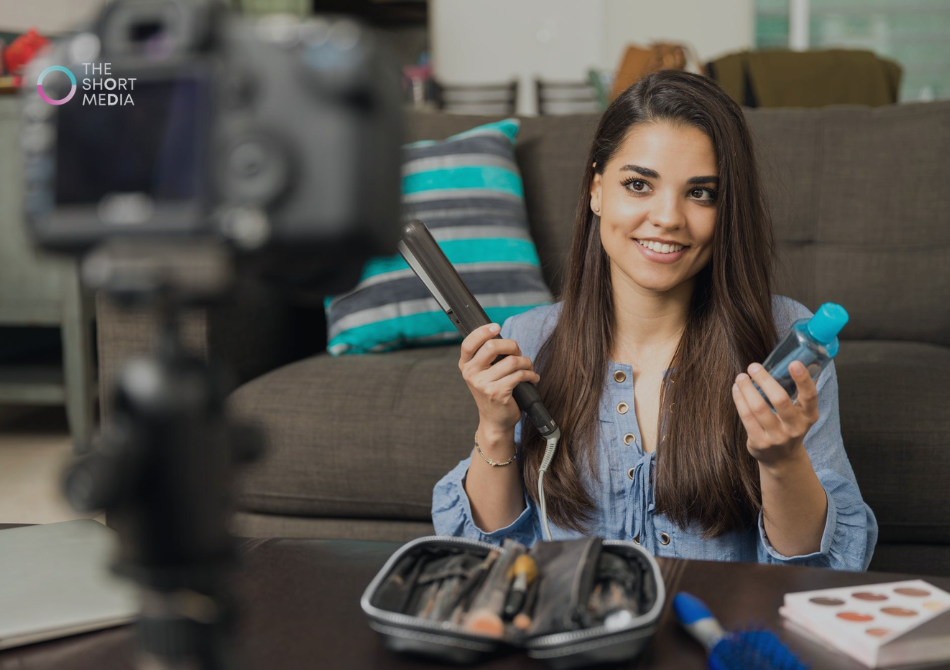
I’ve seen this happen more than once: a brand spends weeks polishing a paid social campaign, launches it, and the cleanest-looking ad loses to a slightly messy product demo filmed on a phone in somebody’s kitchen. Not because the kitchen video was “more authentic” in some big philosophical sense. It just answered the question people actually had.
On TikTok, that gap matters. A lot.
Awareness used to mean getting seen. On TikTok, getting seen is only half the job. The real value is what happens right after someone notices you: they search your name, read comments, click your profile, watch another video, maybe add to cart later that night. That movement from curiosity to action is where the platform gets interesting for marketers, and also where a lot of brands misread what they’re buying.
If you’re trying to use tiktok business ads well, you have to stop thinking like you’re buying a billboard and start thinking like you’re entering an active stream of opinion, proof, and objection handling.
Awareness on TikTok isn’t passive for long
On some channels, awareness can sit there. Someone sees your ad, maybe remembers it later, maybe not. TikTok behaves differently because the format invites immediate behavior. A user sees a video for a skincare serum, then checks comments to find out whether it pills under makeup. They see a snack brand and look for “where do I buy this?” before the video even finishes. They get served a local gym offer and click through because the coach in the video sounds like a real person, not a polished voiceover.
That’s why brands that run ads on tiktok like they’re making TV spots usually struggle. The attention is there, sure, but the follow-up behavior doesn’t happen if the ad feels detached from how people use the app.
I’ve watched beauty brands in the US spend heavily on sleek campaign edits while a creator clip with uneven lighting drove better click-through and stronger comment quality. Not always prettier. Definitely more useful.
Why tiktok business ads work when they answer, not announce
A lot of paid social teams still build TikTok creative around announcement language. New drop. Big sale. Premium formula. Limited-time offer. Fine, but thin.
The ads that move people tend to do something more practical. They show texture. They compare sizes. They explain shipping. They demonstrate setup. They address the one annoying objection nobody put on the landing page.
A home product brand I worked with had a cleaning tool that looked great in studio shots and pretty underwhelming in motion. The winning ad wasn’t the launch asset. It was a basic clip of someone using it on grout lines near a kitchen sink. You could hear the room noise. The creator stumbled on one line. Comments filled with things like “ok but does it work on tile?” and “where’d you get that?” That told us more than the original media brief did.
That’s the thing with tiktok business ads: they often perform best when they feel like they’re helping someone decide, not just impressing them.
To run ads on TikTok well, you need to respect the comment section
This is where a lot of teams get lazy. They obsess over hooks and thumb-stop rates, then ignore comments as if they’re just community management clutter.
Bad idea.
If you run ads on tiktok, comments become part of the ad unit. They can reinforce the pitch, surface objections, or quietly kill conversion. I’ve seen comments reveal issues a sales page completely missed: shade range confusion for beauty products, delivery timing for food gifts, sizing anxiety for fitness apparel, installation concerns for a home gadget sold through Amazon.
Sometimes the comments are basically free research. Sometimes they’re your best copywriting brief.
And yes, people read them. A lot more than some brands seem to think.
The middle matters more than marketers admit
There’s a habit in paid media to separate awareness and conversion too neatly. TikTok doesn’t always cooperate with that tidy funnel logic.
Someone might see your ad today, not click, then search the product name three days later after seeing a creator mention it again. Or they’ll watch a top-of-funnel video, ignore the CTA, and convert after getting retargeted with a customer review clip. That’s still awareness doing its job. It just didn’t happen in a straight line.
Brands that run ads on tiktok effectively usually build for that messy middle. They don’t rely on one hero ad to do everything. They create a set of assets that work together:
- broad-interest videos that create recognition
- creator-style demos that build trust
- retargeting clips that answer practical objections
- offer-led ads for people already circling
Not glamorous. It works.
A DTC supplement brand, for example, might start with a creator talking about a specific routine problem, then follow with a simple “here’s how I actually use it” clip, then retarget site visitors with customer reactions or subscription details. That sequence often outperforms a single hard-sell ad, especially when the first touch was educational rather than salesy.
When brands run ads on TikTok too late, it shows
You can usually tell when a brand is chasing a format after it’s already cooled off. The sound is old. The edit style feels borrowed. The creator is clearly reading a script too perfectly, pausing in the exact wrong places. It’s not that users consciously audit all this. They just scroll.
This gets especially obvious during retail pushes and seasonal launches. A food brand jumps on a trend two weeks late for a summer product drop. A fitness app copies a creator format that worked last month. A local service business tries to mimic national DTC energy and ends up sounding weirdly stiff.
If you’re going to run ads on tiktok, speed matters more than polish in a lot of categories. Not reckless speed. Just enough agility that your creative still feels current.
What action actually looks like on TikTok
Marketers love to reduce action to purchases, but TikTok usually creates smaller steps first. Search behavior. Profile visits. Saves. Shares to a friend. Comments asking for the link. Watching three more videos before clicking.
Those signals matter because they tell you whether the ad is creating momentum or just impressions.
For brands using tiktok business ads, I’d pay close attention to the actions around the click, not just the click itself. If a video has strong watch time and a comment section full of buying questions, but weak direct conversions, that doesn’t automatically mean the ad failed. It might mean your landing page is doing a poor job finishing what the video started. Happens all the time, honestly.
I’ve seen Amazon-focused brands run solid TikTok creative only to send traffic to listings with weak images and buried product details. The ad did the hard part. The destination wasted it.
Creative that pushes people forward usually feels a bit lived-in
There’s a certain kind of ad that works on TikTok because it feels like it came from actual use, not a campaign deck. Not sloppy. Just believable.
A beauty founder applying her own product in bad bathroom lighting. A meal brand showing what the packaging looks like when it arrives, slightly crumpled ice pack and all. A local med spa receptionist answering the three questions they always get on the phone. A home organizer product being installed imperfectly, then fixed on camera.
That’s often the difference between awareness and action. Specificity.
When brands run ads on tiktok with only polished claims, people notice the surface and keep moving. When the ad shows the little details that help someone picture ownership, action gets easier.
tiktok business ads in the UAE: same mechanics, different nuance
If you’re marketing in the UAE, the fundamentals still hold, but the execution needs more care. Audience behavior can shift by language, expat mix, category maturity, and local buying habits. A restaurant launch in Dubai, for instance, may need creator content that feels culturally tuned-in rather than imported from a US playbook. A beauty offer might need clearer pricing context and stronger proof around delivery or booking logistics.
Teams that run ads on tiktok in the UAE well usually localize more than just captions. They adapt references, creators, timing, and purchase friction points. That sounds obvious, but plenty of campaigns still feel like they were built elsewhere and lightly translated on the way in.
Don’t treat TikTok like a shortcut
TikTok can move people fast, but not because it magically compresses the funnel. It works because the platform lets awareness and evaluation happen almost at the same time. Someone sees, judges, checks proof, compares, and acts, often in one sitting.
That’s why tiktok business ads are worth the effort when they’re built properly. Not as interruption media. More like persuasive social proof in motion.
And if you want to run ads on tiktok without wasting budget, make creative that helps people decide. Not just notice.
FAQs
Q1: How many creatives do you really need to start?
More than one, less than a giant library. I’d usually start with 4 to 8 distinct angles rather than tiny edits of the same video. Different hooks, different proof points, different faces if possible.
Q2: Should brands use polished studio content or creator-style videos?
Usually both, but not equally. Creator-style tends to carry the heavier load early, especially if you need people to trust what they’re seeing. Studio content can still help for product clarity or retargeting.
Q3: Is TikTok only useful for younger audiences?
Not really. A lot of categories with older buyers still work well there, especially home products, wellness, food, and local services. The mistake is assuming the platform behavior is “young,” so the creative has to be childish. It doesn’t.
Q4: How long does it take to see results after you run ads on TikTok?
Sometimes you’ll see useful signals within a few days, especially around watch time, CTR, and comment quality. Actual purchase efficiency can take longer because the platform often creates delayed action, not instant conversion every time.
Q5: What budget is enough to test?
Depends on your category, but tiny budgets make it hard to learn much. You need enough spend to test multiple creatives and audiences without shutting things off too quickly. Otherwise you’re mostly measuring randomness.