
A few years ago, a lot of brands treated TikTok like a side project. Someone on the social team would post a trend recap on Monday, try a meme on Wednesday, then go quiet for two weeks. Then they’d say TikTok “didn’t work.”
Usually, that wasn’t the real problem.
The real issue was that they were bringing expensive, polished ad thinking into a platform that tends to reward speed, relevance, and content that looks like a person actually made it. I’ve seen a skincare brand spend thousands on a clean studio shoot, only to get beaten by a 20-second bathroom mirror video from a creator explaining why the product stopped her makeup from separating by noon. Not glamorous. Very effective.
That’s exactly why TikTok is still interesting for smaller brands, local businesses, and teams that don’t have luxury-level media budgets. If you understand the platform properly, you don’t need a giant production setup to get traction. You need decent creative instincts, fast feedback loops, and a willingness to make content that doesn’t look overworked.
A tiktok marketing agency will tell you this first: polished doesn’t always win
The biggest budgeting mistake I see is assuming that lower spend means lower quality. On TikTok, “quality” often means something different than it does on Meta, YouTube, or TV.
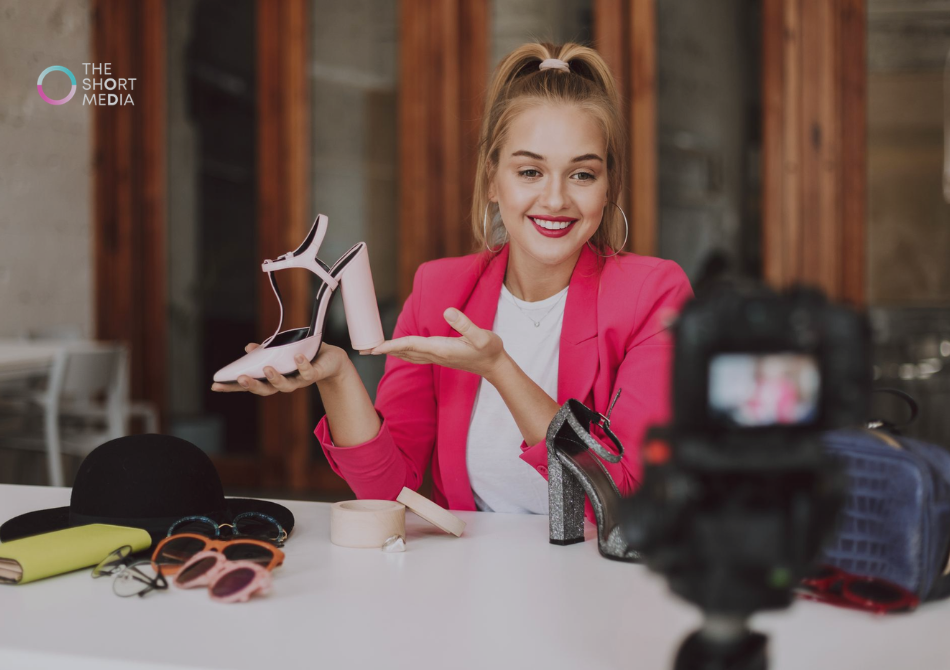
A founder talking straight to camera can outperform a polished brand reel. A product demo filmed in a kitchen can beat a studio setup. A local service business with a phone tripod and a staff member who’s naturally good on camera can pull better engagement than a heavily edited video with stock-style voiceover.
That doesn’t mean sloppy content automatically works. It means the platform tends to reward content that feels native.
For tiktok ads for business, this matters because ad performance is usually tied to whether the creative blends into the feed without feeling fake. If a creator reads a script too perfectly, people scroll. If the hook sounds like legal approved every word, same result. You can almost feel the audience leave.
Smaller brands actually have an advantage here. They’re often less layered with approvals, less attached to expensive production, and more open to trying five rough ideas instead of betting everything on one “hero” asset.
Small budgets force better creative discipline
There’s something healthy about not having too much money to throw at a problem.
When a brand has a huge budget, weak creative often gets hidden for a while. They just keep spending. With tighter budgets, every piece of content has to earn its keep. You test hooks faster. You notice where viewers drop off. You pay attention to comments. You stop pretending the audience cares about your brand manifesto.
That’s where tiktok ads for business gets practical. A small budget pushes teams to focus on the stuff that actually changes outcomes:
- the first two seconds
- whether the product is shown early
- whether the person on camera sounds believable
- whether the offer is clear
- whether the video answers a real objection
I’ve seen comments do more strategic work than some formal research decks. A home product brand thought people were confused about pricing. The comments showed the real issue: nobody understood the size. They reshot the ad with the product next to a coffee mug and performance improved. Cheap fix.
A decent tiktok marketing agency usually knows how to build around those signals instead of overcomplicating the campaign.
Why tiktok ads for business can stretch further than expected
If you come from channels where polished assets and heavy media spend dominate, TikTok can feel oddly forgiving at first. That’s partly because the platform gives more room for creative-led performance. A strong concept can travel.
Not always. And not forever. But often enough that small brands should pay attention.
For tiktok ads for business, lower budgets can still produce useful traction because you’re not necessarily buying attention the same way you would with a glossy awareness campaign elsewhere. You’re testing angles, creators, edits, hooks, and offers in a feed where people are already used to raw, fast-moving content.
A few examples from actual brand work:
A US snack brand ran creator-style videos showing the product in lunchboxes, car cupholders, and office desk drawers. Nothing fancy. The comments were full of “where do I get this” and “does it come in bulk?” That told us retail interest and purchase intent were both there.
A fitness brand tried highly produced gym footage and got average results. Then a creator filmed a quick “what I actually use before a 6 a.m. class” video in bad locker room lighting. That one worked better. It felt specific, not branded to death.
An Amazon home item got more conversions from a messy unboxing with honest commentary than from the official product demo. The creator even struggled opening the packaging for a second. Weirdly, that helped. It looked real.
That’s the thing. Smaller budgets don’t automatically hurt you when realism is part of the performance equation.
The brands that waste money on TikTok usually make the same mistakes
This is where people get frustrated and assume budget is the issue, when it’s often execution.
Some common problems:
They join trends too late
If your team spots a trend, writes a brief, gets approvals, books production, and posts two weeks later, it’s probably dead. I’ve watched brands do this over and over. The content isn’t bad, just late.
They make ads that explain too much
A lot of tiktok ads for business fail because they sound like landing pages in video form. Too much setup. Too many claims. Not enough immediate proof.
They hide the product
This one is constant. If you’re selling a beauty item, show texture early. If it’s a kitchen tool, show it doing the thing. If it’s a local cleaning service, show before-and-after footage in the first few seconds. Don’t wait.
They use creators like actors
Creators usually perform best when they can speak like themselves. The minute they start sounding like a legal disclaimer with ring lights, the ad gets stiff. A good tiktok marketing agency pushes brands to loosen the script without losing the message.
You don’t need a giant campaign. You need a repeatable system.
This is probably the least glamorous part, but it’s where smaller teams win.
TikTok gets easier when you stop treating every post or ad like a special event. The brands that do well usually build a content rhythm. They gather customer questions, review comments, test creator variations, clip winning organic posts into paid, and keep moving.
For tiktok ads for business, that system matters more than a one-time splash. Especially for DTC brands, retail launches, and even local services in places like the UAE, where audiences are used to mobile-first content and quick visual proof. A Dubai café showing behind-the-counter prep, customer reactions, and limited-time menu items can do more with simple native video than with a polished brand film nobody finishes.
Same with beauty clinics, fitness studios, or ecommerce sellers trying to move inventory. If the content shows the service clearly, feels current, and gets to the point, it has a shot. Not guaranteed. But a shot.
A smart tiktok marketing agency will usually build this like a testing machine, not a masterpiece factory.
What smaller brands should actually spend money on
Not everything deserves budget. Some things do.
If your resources are limited, spend on:
- creators who already know how to talk naturally on camera
- editing that tightens pacing without making content look overproduced
- media behind proven creatives, not random guesses
- fast iteration
Don’t overspend on a huge production day before you know what angle works.
For tiktok ads for business, the best early investment is usually volume of useful creative, not cinematic polish. You want enough variation to learn. Different hooks. Different faces. Different product use cases. Different objections answered.
That’s how small budgets stop feeling small.
A tiktok marketing agency can help, but only if they understand native creative
Not every agency gets TikTok. Some just recycle paid social habits from other platforms and call it strategy.
If you hire a tiktok marketing agency, they should care about comment mining, creator fit, hook testing, retention curves, and what people actually say when they use your product. They should know when a script feels too clean. They should be comfortable shipping version six by Thursday instead of presenting a grand campaign concept next month.
That kind of team can make tiktok ads for business work without bloated spend because they’re reducing waste. Less money burned on the wrong creative. More budget pushed toward what’s already showing signs of life.
And honestly, that’s the whole point.
FAQs
Q1: Do small businesses really have a chance on TikTok without a big ad budget?
They do, especially if they can make content that feels close to the customer experience. A local bakery, salon, gym, or ecommerce shop doesn’t need a huge setup. They need clear visuals, decent hooks, and consistency.
Q2: How much should a brand spend to test TikTok ads?
You don’t need to start huge. Enough to test several creative angles is usually smarter than putting all your money behind one ad. If the first batch teaches you what message or format works, that’s already useful.
Q3: Is organic content necessary before running paid campaigns?
Not strictly, but it helps. Organic posts often reveal what people care about, what they ignore, and what objections keep showing up in comments. That makes your paid creative better.
Q4: What kind of videos tend to work best?
Usually the ones that get to the point fast. Product demos, honest reactions, problem-solution clips, quick comparisons, founder videos that don’t sound rehearsed. Pretty basic, really.
Q5: Should brands follow trends all the time?
No. Some should be ignored. Chasing every trend makes a brand look confused, and if you’re late, it’s even worse. Use trends when they fit the product and you can move quickly.