
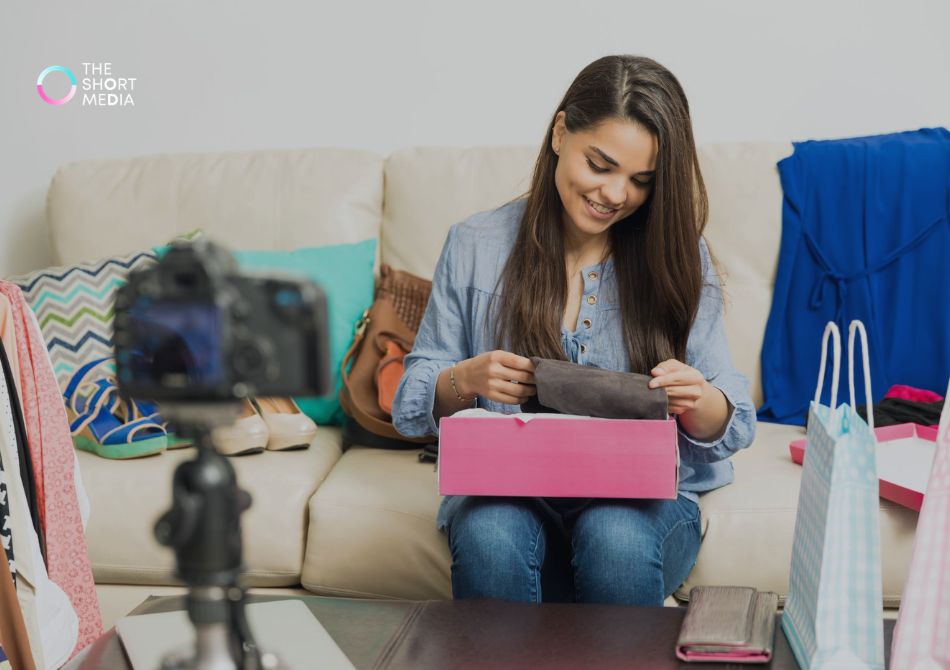
A few months ago, I watched a home product brand spend weeks polishing a glossy launch video for a countertop ice maker. Beautiful lighting, tight edits, clean branding. It did fine on Instagram. On TikTok, a scrappy clip shot in someone’s actual kitchen — machine humming, ice dropping, dog barking in the background — pulled way more saves, comments, and, honestly, more buying intent.
That keeps happening.
Not because people suddenly hate polished creative. It’s because TikTok compresses the distance between seeing something and wanting it. Sometimes to an almost annoying degree if you’re the one trying to keep inventory in stock. A user sees a product in use, scrolls through comments, spots three people saying they bought it, and clicks out before your media team has even finished debating attribution.
For brands, that speed changes the job. tiktok business advertising isn’t just about reach or awareness anymore. It’s about understanding how quickly interest forms, how social proof stacks up in public, and why a decent product demo can outperform a carefully scripted brand film.
TikTok doesn’t “build awareness” the way marketers used to mean it
A lot of teams still approach TikTok like a top-of-funnel channel with a younger audience. That framing is too tidy.
What actually happens is messier. Someone sees a creator use a heatless curling set before bed. Then another video compares five versions. Then comments start doing half the selling: “I have thin hair and this still worked,” or “Mine slipped out overnight unless I clipped it.” By the time that person lands on the product page, they’re not browsing. They’re checking one or two final objections.
That’s why advertising on tik tok often moves people faster than channels where the ad and the product page have to do all the persuasion alone. The feed itself is doing part of the work. Reviews, reactions, stitch videos, creator remakes, even skeptical comments — all of it builds a weirdly efficient decision path.
I’ve seen this with beauty brands in the US constantly. A serum gets featured in a “get ready with me” video, then a dermatologist creator weighs in, then users post week-two skin updates. Suddenly the paid ad isn’t introducing the product. It’s catching demand that already has context around it.
The speed comes from seeing products in use, not just being told about them
This sounds obvious, but it’s worth being specific. TikTok is unusually good at showing friction, not hiding it.
A blender brand can run a polished ad claiming power and convenience. Fine. But when a creator actually makes a protein shake before a 6 a.m. workout and you hear how loud the thing is, see how easy it is to clean, and watch whether it leaks in a gym bag, that’s where purchase decisions start tightening up.
That’s also why tiktok business advertising works best when brands stop pretending every ad needs to feel like a campaign. Some of the highest-converting creative I’ve seen looked almost under-produced. A food brand filming in a regular apartment kitchen. An Amazon product demo with slightly awkward voiceover. A founder answering a common complaint directly, without trying to smooth it over too much.
And yes, people can tell when the creator read the script too perfectly. That usually lands with a thud.
Public comments speed up the decision more than most brands expect
This is one of the most underrated parts of advertising on tik tok.
The comments section often reveals the exact sales objections the landing page missed. Not in some abstract research-deck way. In plain language. Real buyers asking if the leggings are squat-proof. Someone in Dubai asking whether shipping to the UAE is reliable. Another person saying the shade range looks off under bathroom lighting. A local service business getting hit with questions about price transparency before anyone clicks through.
Smart teams pay attention to that and feed it back into both creative and site copy.
I’ve seen a DTC fitness brand change its hook after noticing repeated comments about sizing confusion. The original ad focused on performance. The revised version opened with a creator saying she sized up for comfort and showing the fit on camera. Conversion rate improved. Not because the media buying got magical. Because the ad finally answered what people were already asking.
That’s a big reason advertising on tik tok can compress the path to purchase. Objections don’t stay hidden for long.
Trends matter, but timing matters more
A lot of brands still get this wrong. They see a trend, send it through approvals, polish it, and publish after the moment has passed. Two weeks late is late. Sometimes two days is late.
That doesn’t mean every brand needs to chase every sound or meme. Please don’t. A home cleaning brand doesn’t need to force itself into every trending format. But it does need a team setup that can respond while the behavior is still happening.
For tiktok business advertising, this matters because paid and organic are closer together than many teams admit. If a trend is already shaping how people talk about a category — protein coffee, scalp serums, walking pads, car detailing tools — your paid creative should reflect that language while it still feels current.
I worked on a retail launch where the winning ad wasn’t the official product intro. It was a simple “here’s what it looks like in normal store lighting” video posted quickly after people started asking whether the color looked different in person. That kind of response shortens decision time because it meets people at the exact point of hesitation.
Why creator-style ads tend to move faster
Not all creator content works. Some of it is flat, over-rehearsed, or trying too hard to sound relatable. But when it works, it moves.
A creator showing how she uses a stain remover on an actual couch cushion in her living room often beats a studio demo because viewers can place themselves in the scene. Same with meal brands, supplements, storage products, pet items, all of it. The context matters. The little imperfections help. A kid talking in the background. Bad weather through the window. Slightly rushed delivery. It feels less processed, and that lowers resistance.
That’s where advertising on tik tok gets interesting for brands with smaller budgets too. You don’t always need a giant production setup. You need believable use cases, decent hooks, and enough creative variation to learn quickly.
For UAE-based businesses or brands shipping into the region, this can be especially useful. Audiences in the UAE are heavily mobile-first, visually fluent, and quick to compare options. If you’re selling beauty, food, fashion, or local services, showing the real experience — delivery, packaging, product texture, in-store pickup, whatever matters most — can move someone faster than a polished brand promise.
The feed collapses research, recommendation, and impulse
People used to separate these steps more clearly. They’d hear about a product, maybe search for reviews later, then decide. TikTok tends to stack those moments right next to each other.
A user watches a video on a posture corrector. Then sees a physical therapist react to one. Then gets served a paid ad. Then reads comments saying it helped during long office hours, except for one person complaining about the straps. That’s enough for a lot of buyers to make a decision, especially for lower-ticket products.
This is why tiktok business advertising has become less about interrupting attention and more about entering an active stream of evaluation. If your ad feels disconnected from how people are already discussing the product category, it struggles. If it sounds like it belongs there, it can convert surprisingly fast.
Not always cleanly. Not always in a way your attribution setup captures perfectly. But the effect is real.
What brands should actually do with this
The practical move isn’t “make everything lo-fi” or “hire more creators” and call it a strategy. It’s a bit more disciplined than that.
Start by identifying what buyers need to see before they trust the product enough to click. Not what your internal team wants to say. What they need to see. Texture, size, speed, setup, cleanup, fit, delivery timing, before-and-after, side-by-side comparison. Usually it’s pretty concrete.
Then build creative around those friction points.
For advertising on tik tok, I’d rather have six decent variations answering six real objections than one expensive hero video trying to say everything at once. That applies whether you’re selling skincare, frozen snacks, Pilates equipment, home organizers, or a local salon package.
And watch the comments like a hawk. They’ll tell you when the hook is off, when the creator sounds too scripted, when your offer is unclear, or when buyers want a version of the ad you didn’t think to make.
That feedback loop is part of why advertising on tik tok speeds up purchase decisions. The platform doesn’t wait for your quarterly insights report. It tells you, publicly and sometimes a little brutally, what’s working now.
FAQs
Q1: Why are people buying faster from TikTok than other platforms?
Because they’re often getting the demo, review, objection handling, and recommendation in one session. A person can go from “never heard of this” to “I probably want that” in ten minutes, especially with lower-priced products.
Q2: Does this only work for trendy products?
Not really. Trendy products get the spotlight, sure, but I’ve seen boring categories do well too — storage bins, cleaning tools, mattress toppers, pest control services. If the product solves an obvious problem and the video shows that clearly, it has a shot.
Q3: Is polished brand creative a bad fit for TikTok?
Not automatically. It just tends to struggle when it feels too controlled or detached from real use. Sometimes a polished asset works well as retargeting, while rougher creator-style content does the heavier lifting upfront.
Q4: How important are comments for conversions?
More important than a lot of teams admit. Comments often act like live FAQ, social proof, and objection handling all at once. Also, they can expose weak points fast. A little painful, but useful.
Q5: Should small businesses try advertising on TikTok without a big budget?
They can. Better to start with a few strong concepts and test them than spend too much on production. I’d take clear product-market fit and believable demos over expensive edits almost every time.