
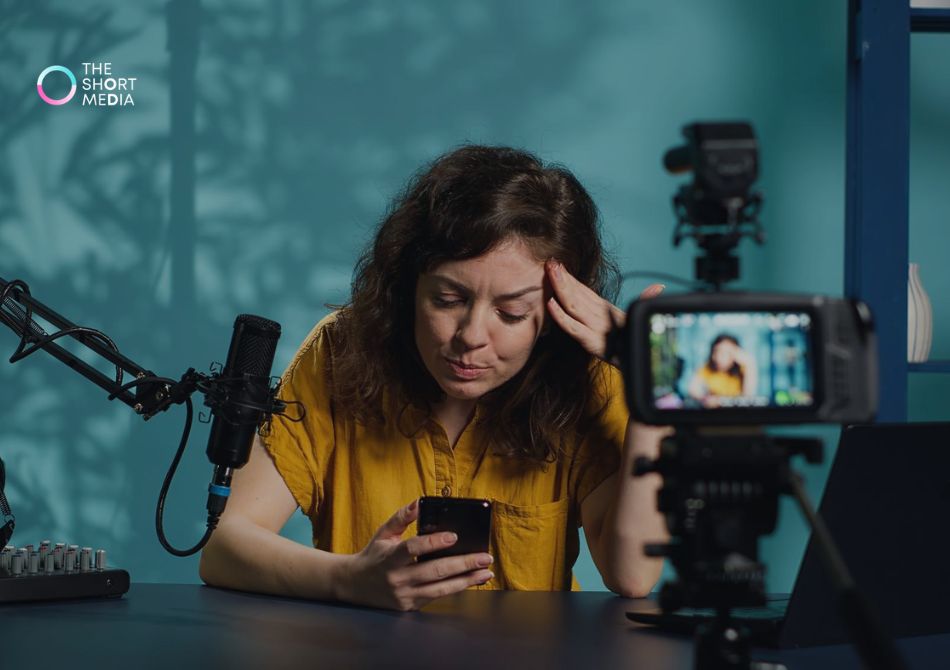
I’ve watched a skincare brand spend $18,000 on polished paid social creative, only to get outperformed by a founder video filmed near a bathroom mirror with bad lighting and a slightly awkward intro. Not because the cheap version was “more authentic” in some abstract way. It just looked like something people on TikTok would actually stop for.
That’s the part a lot of brands miss when they first advertise on tik tok. They bring over habits from Meta, YouTube, even TV. Tight scripts. Heavy branding in the first second. A clean product shot that says “ad” before anyone has even decided whether to keep watching. Then they wonder why CPMs are fine but conversions feel shaky.
TikTok ads often feel lighter, less intrusive, and weirdly easier to watch because they’re built inside a feed where entertainment, product discovery, opinions, and impulse buying all blur together. That doesn’t mean every ad works. Plenty are painful. A creator reading a script too perfectly can kill performance fast. But when brands get the format right, the ad doesn’t arrive like a billboard. It arrives like a post you happened to care about for 12 seconds.
Why people don’t react to TikTok ads the way they react to other ads
Part of it is the feed itself. TikTok trained users to expect a mix of things: someone reviewing a lip stain in their car, a meal-prep hack, a gym coach fixing squat form, a local HVAC company showing a disgusting air filter they just replaced. So when an ad appears, it doesn’t always feel like a hard interruption if it matches that rhythm.
That’s where a good tiktok ads agency usually earns its keep. Not by making things prettier. Usually the opposite. They know when to leave in the quick camera adjustment, the half-second pause, the line that sounds a little unscripted. I’ve seen product demos filmed in a kitchen beat studio footage almost every time for food gadgets and home products. Not always. But often enough that it stops being a fluke.
There’s also a practical reason. TikTok users are used to learning from the feed. They find Amazon products there. They find beauty dupes there. They find meal ideas there. A cleaning product ad doesn’t have to pretend it isn’t selling something. It just has to show the grime, the process, and whether the result looked real.
To advertise on tik tok, you have to stop making “ads”
That sounds obvious, and honestly, it gets said too loosely. Not every rough-looking video works. Some are just lazy. But if you want to advertise on tik tok well, you need creative that behaves like native content before it behaves like campaign material.
A few examples from actual campaigns:
A US beauty brand we worked alongside had creators opening with “I didn’t think this shade would work on me.” That line did better than the official hook focused on ingredients. Why? Because viewers were already familiar with ingredients. Shade anxiety was the real objection.
A frozen food brand tested glossy overhead recipe footage against a simple apartment-kitchen clip where someone said, “I bought this because I was too tired to cook.” The second version won by a mile. It felt specific. Slightly messy. Honest enough.
A fitness app pushed transformation-style edits that looked like every other paid ad in the category. Their better performer was a coach stitching a common mistake and correcting it in real time. Less brand-forward, more useful. Comments were full of people tagging friends.
That’s the thing. On TikTok, comments often tell you what the landing page forgot to answer. Price objections. Texture concerns. Shipping times. Whether the product works on darker skin tones. Whether the pan is actually dishwasher-safe or “dishwasher-safe.” A sharp tiktok ads agency pays attention to that and feeds it back into the next batch of creative.
The role of creators, and why over-directing usually backfires
The fastest way to flatten a TikTok ad is to sand off the creator’s voice. You can feel it instantly. They’re talking a little too clearly, smiling at the wrong moments, squeezing in a product claim they’d never say out loud.
A strong tiktok ads agency won’t just source creators with the right look. They’ll protect the creator’s natural delivery. That matters more than brands think. Especially for beauty, supplements, home gadgets, and Amazon products where the audience has seen ten versions of the same pitch already.
I’ve seen brands send creators six mandatory talking points and a word-for-word opening line. Performance usually drops. Give the same creator a loose brief, one required claim, and permission to phrase things like a normal person, and suddenly the watch time improves.
Not because viewers are gullible. Because they can spot stiffness immediately.
Why TikTok makes product discovery feel casual
A lot of purchase intent on TikTok starts sideways. Someone isn’t searching for a mop, a pre-workout, or a heatless curler. They’re just scrolling. Then they see a demo, a side-by-side, a complaint solved in 15 seconds, and now they’re interested.
That’s why advertise on tik tok strategies tend to work best when they lead with use, not branding. Show the pan scraping clean. Show the concealer covering redness in natural light. Show the meal kit coming together during a lunch break. If you’re a local service business in the UAE, same principle: show the AC unit before and after cleaning, not a generic company intro with stock music.
A good tiktok ads agency understands that this kind of casual discovery still needs structure. Hooks matter. Retention matters. Offers matter. But the path in is softer. Less “here is our message,” more “watch this for a second.”
Why the format works especially well for newer brands
Newer DTC brands often do well on TikTok because they’re not carrying old creative habits as heavily. They’re willing to test founder-led clips, rough UGC, comparison videos, comment replies, stitched reactions. They move faster.
Bigger brands can do well too, but they often arrive late to trends or over-approve everything. I’ve seen retail launches where the content hit the feed two weeks after the audio trend had already burned out. At that point the ad wasn’t just branded. It felt stale.
This is another place a tiktok ads agency can be useful, especially if your internal team is slower or split across regions. For UAE-based brands trying to reach younger shoppers, expats, or bilingual audiences, speed and localization matter more than a perfect brand deck. The creative may need different references, different creators, even different pacing depending on whether you’re targeting Dubai fashion shoppers or a broader GCC e-commerce audience.
A tiktok ads agency can help, but it won’t fix weak creative instincts
Worth saying plainly: hiring a tiktok ads agency won’t rescue a brand that refuses to adapt. If every video needs legal review, if every creator has to read from the same script, if every comment is treated like a risk instead of insight, results usually plateau.
The agencies that actually help tend to do a few things well:
- they test a lot of hooks without making the content feel assembled by committee
- they understand media buying, but they also understand why one awkward founder clip can beat a polished campaign
- they look at comment sections like research, not clutter
And if they’re any good, they’ll tell you when the problem isn’t targeting or spend. It’s that the ad still feels too much like an ad.
What brands get wrong when they advertise on tik tok
Usually, it’s one of these:
They front-load branding before earning attention.
They copy what worked on Instagram Reels and assume it’ll transfer cleanly.
They treat user-generated content like a costume instead of a format.
They ignore the first three seconds.
They don’t make enough variations.
They keep the “approved” version instead of the one people actually watched.
When brands advertise on tik tok, they’re entering a feed where people are quick, skeptical, and surprisingly open-minded at the same time. That mix is unusual. You can’t bully your way in with old ad language.
And honestly, that’s why the platform still feels interesting for advertisers, even with rising costs and more competition. The creative still matters. Probably more than most teams are comfortable admitting.
FAQs
Q1: Why do TikTok ads feel less intrusive than Facebook or YouTube ads?
Mostly because they sit inside a feed where everything already feels informal. A product demo, a joke, a review, a rant, a sponsored post—they can all look pretty similar at first glance. If the creative matches the platform, it doesn’t feel like a hard break.
Q2: Do I need creators to advertise effectively on TikTok?
Not always, but creators help a lot. Especially if your in-house team tends to make things too polished. A creator who actually sounds like themselves will usually beat someone reading approved copy with perfect lighting.
Q3: Is a tiktok ads agency worth it for smaller brands?
It can be, especially if you need help with creative testing and media buying at the same time. Smaller brands usually don’t need a giant retainer, though. They need someone who can spot what’s making the content feel stiff and fix that quickly.
Q4: What kind of products tend to do well on TikTok ads?
Beauty, food, home products, fitness accessories, problem-solving gadgets, and impulse-friendly items do well because they’re easy to demonstrate. Local services can work too. The trick is showing the job, the result, or the transformation without making it look like a brochure.
Q5: How many creatives should a brand test?
More than most teams think. Three versions isn’t really testing much. Start with different hooks, different openings, different levels of creator involvement, then watch where retention drops.