
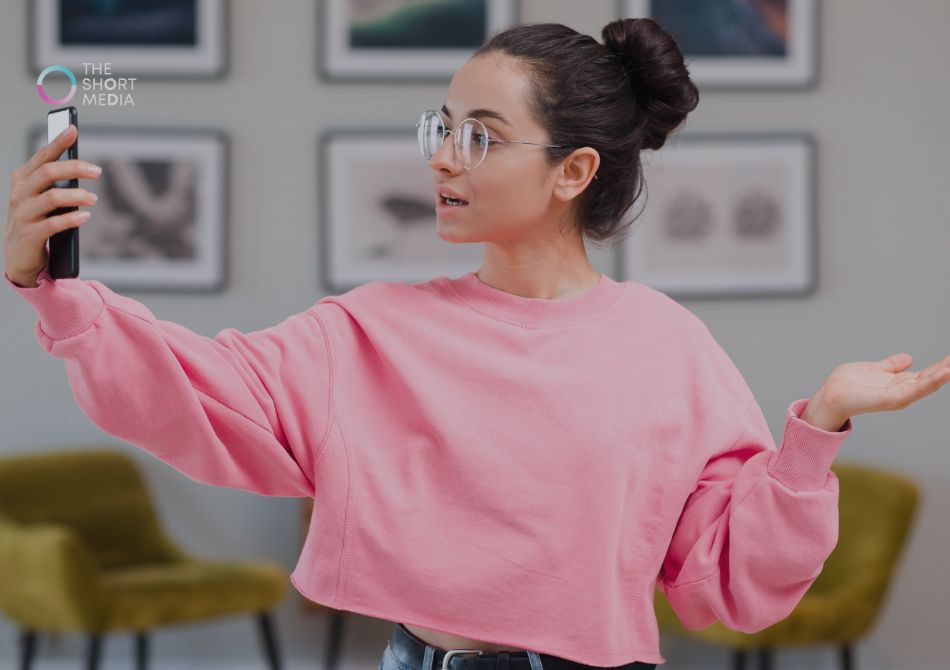
A few months ago, I watched a skincare brand push a polished product video into TikTok ads. Clean lighting, perfect voiceover, every benefit neatly listed. It looked expensive. It also looked like an ad from 2019. The version that actually pulled comments, saves, and sales? A creator standing in her bathroom, half-whispering because her kids were asleep, showing how the serum sat under makeup by 2 p.m. Not glamorous. Very believable.
That gap matters.
People don’t open TikTok in “shopping mode” the way they might open Amazon. But they do come across opinions, demos, side-by-side tests, bad reviews, unexpectedly honest comments, and creators explaining why something was worth the money — or not. Over time, that changes how people buy. They start looking for proof faster. They get better at spotting overproduced nonsense. They compare products differently. And for brands trying to make tiktok business advertising work, that shift is impossible to ignore.
TikTok isn’t just pushing products. It’s quietly teaching audiences how to judge them.
TikTok business advertising works better when the audience already knows what to look for
The old paid social playbook was simpler. Show the product, make the benefit obvious, hit them with urgency, retarget later. That still exists, sure. But TikTok users have been trained by the feed itself to expect more texture before they buy.
They want to see the product in a real room. They want to know if the “nonstick” pan actually handles eggs, not just styled vegetables in a spotless kitchen. They want to hear whether the running shorts ride up after mile three. If it’s a home cleaning gadget, they want someone to use it on grout that actually looks gross.
This is why advertising on tik tok often feels less like classic media buying and more like editorial selection. The ad has to survive the same scrutiny as organic content. Sometimes harsher scrutiny, honestly.
I’ve seen this with beauty brands especially. A founder-approved script can look good on paper and die in the feed because the creator reads it too perfectly. Then a looser version — where she says, “I didn’t think this would do much for my redness, but okay” — lands because it sounds like something a person would actually say. Small difference. Huge difference.
People are learning to spot fluff faster
TikTok comments have become a weirdly useful layer of consumer education.
You’ll see someone ask, “Does this work on textured skin?” or “What’s the ingredient percentage?” or “Why is nobody showing the back after sitting down?” Those aren’t random throwaway comments. They reveal the objections a product page often missed.
That’s part of why advertising on tik tok can be so revealing for brands. Even when a campaign underperforms, the audience tells you why. Sometimes bluntly. Sometimes a little too bluntly.
A supplement brand might get called out because every video talks about “feeling better” but nobody explains taste, routine, or how long before results show up. A DTC furniture brand might learn that buyers care less about the discount and more about whether the couch arrives in three boxes and can fit up a narrow apartment stairwell. That stuff comes out in the comments long before it makes it into polished brand messaging.
And once audiences get used to seeing products interrogated in public, they carry that behavior into other purchases too. They don’t just ask whether a product is good. They ask whether it’s good for *them*.
Advertising on tik tok is shaping a more skeptical buyer
Not cynical, exactly. Just harder to impress.
That’s probably healthy.
People have seen enough “TikTok made me buy it” clips to understand the formula. They know what a forced recommendation sounds like. They can tell when a creator got the brief and never touched the product again. They notice when a brand joins a trend two weeks too late and still expects it to feel native. You can almost feel the audience pull away.
For brands, this means advertising on tik tok can’t rely on hype alone. The product has to stand up to a closer look, and the ad has to feel comfortable with that. A food brand launching a protein snack in the US might do better showing texture, crumbs, and someone saying, “It’s actually decent, but the peanut butter one is way better than chocolate,” than pretending every flavor deserves a standing ovation.
That kind of specificity sells. Not because it’s flashy. Because it sounds earned.
In the UAE, this gets even more interesting for brands working across multilingual audiences and mixed buying habits. Some consumers are discovering products through creators in English, others in Arabic, and many bounce between both. A blanket creative approach tends to flatten everything. Better campaigns usually account for local context — delivery expectations, pricing sensitivity, even how people talk about trust and recommendations in the region. TikTok business advertising in the UAE often works best when it feels regionally aware without trying too hard to “localize” every frame.
The smartest brands are using TikTok like a research lab
This is where marketers who actually spend time in the platform usually separate themselves from teams just repurposing Meta ads.
You can learn a lot from advertising on tik tok before you even scale spend. Which hooks stop the scroll. Which objections keep showing up. Whether users care more about the result, the routine, the packaging, the price, or the comparison.
A home product brand I worked with tested a sleek studio demo for a stain remover. Nice lighting, tidy copy, all very approved. Then we ran a rougher version filmed in a kitchen, with coffee spilled on a white counter and a hand reaching in too quickly to wipe it. That second version won by a mile. Not because it was “authentic” in some abstract way. It looked like the mess people actually deal with.
Same thing with local services. A med spa, a dental office, even a cleaning company — advertising on tik tok tends to work better when the business explains what happens, what it costs, what people usually get wrong, and what the experience really feels like. If every video sounds like a brochure, people scroll.
Why smarter buying habits can be good for brands
It sounds inconvenient at first. More skeptical audience, more proof required, more pressure on creative. Fair enough.
But smarter buyers are often better customers.
They’re less likely to impulse buy something wildly mismatched to their needs. They come in with clearer expectations. They’ve already seen someone use the product in normal conditions. They’ve read comments. They know the shipping timeline or the fit issue or the setup process. That can reduce bad-fit purchases and, in some categories, even lower return headaches.
For tiktok business advertising, this means success isn’t always about making the wildest first impression. Sometimes it’s about helping the right customer get comfortable enough to buy. Boring answer, maybe. Still true.
This is especially relevant for Amazon products and retail launches. A kitchen gadget, for example, might get a spike from novelty. But the products that keep moving usually have repeatable demo angles: cleanup time, storage size, whether it works with frozen food, whether it feels flimsy in hand. Smart audiences reward useful detail.
What brands should do differently now
A lot of teams still treat TikTok creative like a lighter, younger version of traditional social ads. That’s usually where things go sideways.
If you want advertising on tik tok to hold up, start with what a buyer would want to verify before spending money. Not what the brand most wants to announce.
Show the product under normal conditions. Keep some friction in the script. Let creators phrase things like people, not compliance-approved robots. If there’s a common objection, address it early instead of burying it. If one variant is clearly more popular, say so. Audiences can handle nuance.
And don’t ignore comments. I’ve seen brands spend weeks rewriting landing page copy when the answer was sitting in the comments under a decent-performing ad. People were literally telling them what they needed to see before buying.
That’s the practical side of tiktok business advertising now. Less polish for the sake of polish. More evidence. More context. More creative that feels observed rather than manufactured.
TikTok didn’t invent buyer skepticism. It just put it on fast-forward.
FAQs
Q1: Do TikTok users actually buy from ads, or just watch product videos for entertainment?
Both. Plenty of people watch just to satisfy curiosity, but that still matters because they’re building a shortlist in their head. By the time they buy, the purchase can feel sudden even though they’ve seen five demos, read comments, and compared options over a week.
Q2: Is advertising on tik tok only useful for cheap impulse-buy products?
Not really. Lower-cost products usually move faster, sure, but I’ve seen higher-consideration categories work when the creative answers practical concerns. Fitness programs, furniture, premium beauty, even local clinics can do well if the ad reduces uncertainty instead of just pushing excitement.
Q3: How polished should TikTok ads look?
Usually less polished than a brand team is comfortable with. Not sloppy, just believable. If the lighting is too perfect and every line sounds rehearsed, people feel it immediately.
Q4: What’s the biggest mistake brands make with tiktok business advertising?
Trying to control every word. The script gets over-edited, legal trims out anything remotely human, and the creator ends up sounding like they’re reading from a teleprompter in a hostage video. That version rarely wins.
Q5: Does this apply in the UAE too?
Very much so, though the creative approach may need adjusting. Audience expectations can shift based on language, product category, and whether the offer depends on local delivery, trust, or in-person service. Regional nuance matters more than brands sometimes expect.