
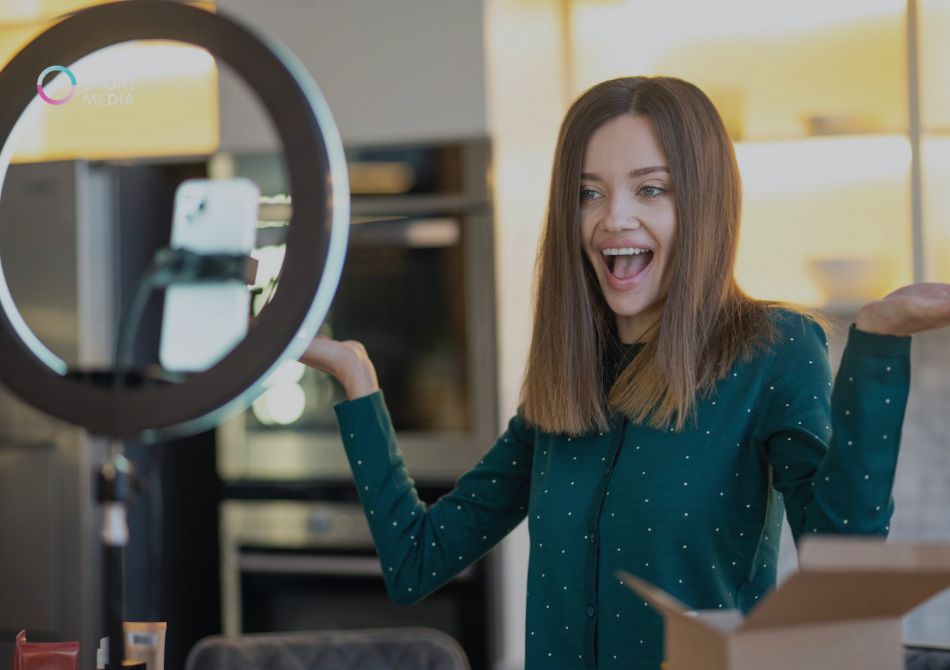
A few months ago, I watched a skincare brand approve a polished campaign video that had all the usual ingredients: clean lighting, neat product lineup, founder soundbite, tidy captions. It looked expensive. It also felt dead on arrival. The creator read the script a little too perfectly, like she was trying not to miss a word, and the whole thing landed with that unmistakable “ad voice” people scroll past in half a second.
On the same account, a rougher clip filmed in someone’s bathroom did better. Not by a little. By a lot. The creator showed how the cleanser sat on the skin, complained about the cap being annoying to open, then said she still kept repurchasing it because it helped with redness. That tiny complaint probably helped more than the brand-approved script.
That’s the thing about tiktok for marketing. Discovery doesn’t always start with a polished brand message. A lot of the time it starts with a person testing, comparing, reacting, half-reviewing, or just casually mentioning something while making coffee.
For brands trying to grow in the UAE and beyond, that shift matters. And if you’re working with a TikTok Marketing Agency Dubai brands trust for creator strategy, paid social, and local market nuance, you’ve probably already seen how quickly a product can move from unknown to “I keep seeing this everywhere.”
Brand discovery got messier — and better
Older social playbooks were cleaner. You ran awareness creative, drove traffic, retargeted site visitors, and hoped your landing page did the rest. TikTok doesn’t really behave that neatly.
People discover brands there in fragments.
A food product shows up in a lunch prep video. A fitness creator uses a resistance band in the background for three clips before anyone even tags the brand. A home product gets posted by a mom reorganizing a pantry, and suddenly the comments fill with “where did you get that?” before the company has figured out its response strategy.
That’s why tiktok for marketing feels different from most paid social channels. It’s not just about broadcasting. It’s about appearing in the right context often enough that curiosity builds naturally.
And honestly, a lot of brands still get this wrong. They treat TikTok like a place to repost campaign assets from Meta, maybe trim them shorter, add captions, and hope for a decent CPM. Then they’re surprised when the comments are empty and the watch time falls off a cliff.
What a TikTok Marketing Agency Dubai brands hire should actually help with
A good TikTok Marketing Agency Dubai businesses work with shouldn’t just be there to “post content.” That’s the easy part. The useful part is helping a brand understand what kind of discovery it can realistically earn on the platform.
For some brands, that means creator-led product seeding with very light scripting. For others, it means building a paid engine around raw demos, testimonials, and objection-handling clips.
I’ve seen this especially with beauty and DTC brands. The comments often reveal things the sales page missed. Shade confusion. Texture concerns. Shipping questions. Whether the product works in humidity. In a UAE context, that last one matters more than some teams expect. A formula that performs well in a cooler market may get picked apart quickly if it melts, separates, or wears badly in heat.
A strong TikTok Marketing Agency Dubai team should catch those patterns early and feed them back into both creative and conversion strategy. Not just report on views.
Why creators carry so much of modern discovery
You can usually tell when a brand has over-managed a creator partnership. The pacing gets stiff. The product mention comes too early. The creator stops sounding like themselves.
And then performance slips.
That doesn’t mean creators should improvise everything. It means the brief needs to leave room for real behavior. Real language. A little friction, even.
When brands use tiktok for marketing well, they stop trying to control every word and start paying attention to how people naturally talk about the category. A supplement brand in the US might get stronger results from “this doesn’t upset my stomach before a workout” than from a list of ingredient claims. A kitchen gadget might sell better from a slightly chaotic countertop demo than a pristine studio setup. I’ve seen an Amazon home product filmed next to a sink outperform edited launch footage because viewers could picture it in their own apartment.
That’s discovery. Not polished persuasion. Recognition with context.
tiktok for marketing works best when paid and organic stop acting like strangers
This is where a lot of teams lose momentum. The organic team is chasing trends. The paid team is building conversion ads. The creator team is off in another corner trying to collect UGC. Nobody’s really sharing what’s working.
But the best-performing accounts usually have some overlap. The comments on organic posts shape paid hooks. Paid winners inspire creator briefs. Creator content gets reposted natively, then edited into Spark Ads. It’s less elegant than people want it to be. Still works.
For tiktok for marketing, the feedback loop matters more than the calendar.
I’ve watched retail launches get a nice bump because the team noticed one throwaway line in comments — people wanted to know if the product was available in-store or only online. They spun up a quick creator clip answering that, added local store context, and suddenly the content felt useful instead of promotional.
That kind of adjustment is usually where results come from. Not from a giant quarterly content deck.
Discovery isn’t just for trendy products
People tend to assume TikTok only works for beauty, fashion, or things that look good in a quick video. That’s lazy thinking.
I’ve seen local services, practical household products, and pretty unglamorous categories pull attention if the content starts with a real use case. Pest control, cleaning products, meal prep tools, even regional service businesses. If the video opens on an actual problem, people will watch longer than you’d expect.
This is another reason tiktok for marketing has become such a serious channel. It gives brands room to show product behavior, not just product claims.
For UAE-based companies, there’s also a local angle that matters. Language mix, regional humor, shopping habits, delivery expectations, climate, cultural timing around Ramadan or holiday campaigns — those details shape discovery. A TikTok Marketing Agency Dubai companies rely on should understand that local nuance while still knowing what high-performing creator content looks like globally.
That combination is harder to find than agency websites make it sound.
The brands that do well usually stop trying to look “on brand” all the time
Not completely. You still need consistency, offer clarity, decent landing pages, all of that. But on TikTok, being too polished can make a brand weirdly invisible.
A founder-led clip recorded quickly in the office can outperform a campaign asset. A customer reaction stitched with a product demo can beat a carefully storyboarded launch video. A food brand replying to comments with actual recipe variations can do more for discovery than a month of static planning.
Using tiktok for marketing well often means accepting that some of your best-performing content won’t look like your internal team expected. That can be uncomfortable, especially for larger brands with approval layers.
Still, the audience usually tells you pretty fast what feels believable.
And once that discovery starts, it tends to spread sideways. Not in a neat funnel. More like clusters. Someone sees the product in a GRWM, then again in a comparison video, then in a paid ad with a stronger offer. By the time they search the brand name, they don’t feel like they’re discovering it for the first time. They feel late to it.
That’s usually the point where TikTok has done its job.
What brands should focus on now
If I were advising a team from scratch, I wouldn’t tell them to chase every trend or post three times a day just to stay busy. I’d tell them to build a better observation habit.
Watch where people hesitate in comments. Notice which creator reads sound like a real recommendation and which sound approved by legal. Pay attention when a low-fi product demo filmed in a kitchen beats the expensive version. That happens more than some teams want to admit.
And if you’re hiring a TikTok Marketing Agency Dubai brand leaders are considering, ask harder questions. How do they source creators? How do they test hooks? What do they do with comment insights? Can they adapt for UAE audiences without making the content feel stiff or overlocalized?
Because tiktok for marketing isn’t just about distribution. It’s about how discovery actually happens now: unevenly, socially, and often through people who don’t look like they’re selling anything at all.
FAQs
Q1: How often should a brand post on TikTok to stay discoverable?
More often helps, but only up to a point. I’d rather see 3 strong posts a week with real testing behind them than 14 rushed ones that all sound the same. Consistency matters; volume without learning usually doesn’t.
Q2: Do brands need creators, or can they just post from their own account?
You can absolutely build from your own account, especially if you have a founder, team member, or product expert who’s comfortable on camera. But creators add range fast. They give you different faces, homes, routines, and audiences — which is often what helps a product feel more “seen” in the wild.
Q3: Is TikTok mostly useful for younger audiences?
That’s outdated, honestly. Plenty of categories with older buyers do well there, especially home, wellness, food, parenting, and practical products. The creative just needs to match how those people actually shop and talk.
Q4: What makes a TikTok ad feel too scripted?
Usually it’s pacing and phrasing. If someone says the product name too early, hits every selling point in order, or sounds like they memorized a brief, viewers feel it immediately. A tiny pause, a side comment, even a slightly imperfect take can help.
Q5: Can local UAE brands really compete with bigger international companies?
Not really. Smaller DTC brands, Amazon sellers, even local services can do well if the creator’s audience matches the buyer. I’ve seen a local medspa get better traction from a few sharp creator integrations than from a month of generic polished ads.