
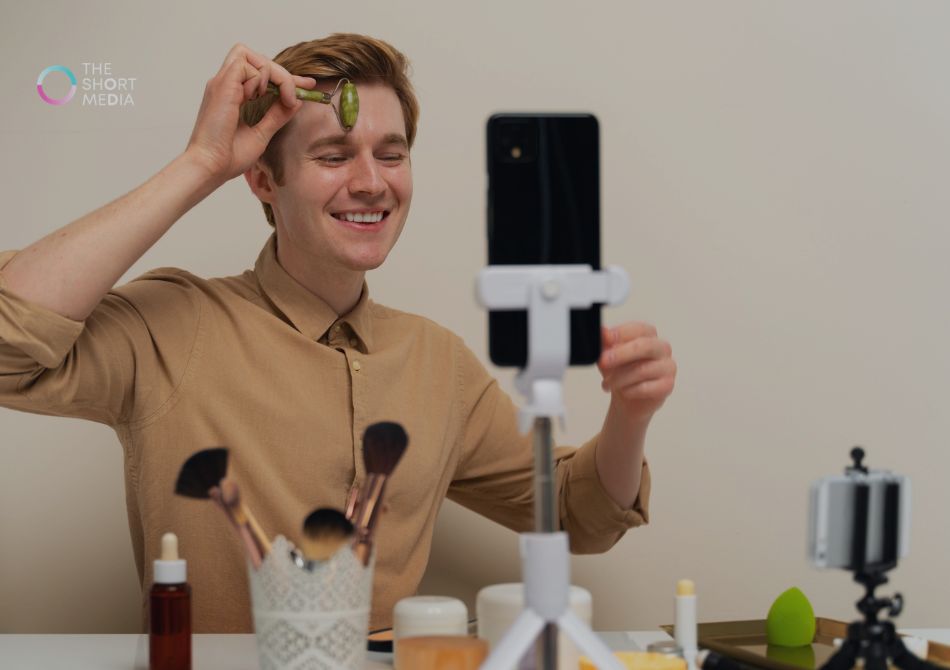
A few months ago, I watched a skincare brand approve a polished studio ad, then quietly shift budget to a creator who filmed a “get ready with me” in bad bathroom lighting. The studio ad looked expensive. The creator video looked like a normal person trying a serum before work. Guess which one pulled comments, saves, and a pile of “wait, does this help with texture?” questions.
That’s the thing a lot of teams still miss. Creators on TikTok aren’t just people renting out their audience for a sponsored post anymore. The good ones operate more like niche media properties. They have recurring formats, a built-in point of view, comment sections that act like focus groups, and a sense of trust that doesn’t come from looking polished. It comes from showing up over and over again in a way viewers recognize.
If you work in tiktok influencer marketing, this shift matters more than most brand decks admit.
The creator isn’t just the talent anymore
A lot of brands still brief creators as if they’re hiring a face. Smile, hit these talking points, mention the discount code, done. And then they wonder why the video feels flat.
Creators who actually perform on TikTok usually have something much more valuable than “reach.” They have programming. Maybe it’s a fitness coach who does blunt supplement reviews from her car. Maybe it’s a dad cooking high-protein lunches in under five minutes. Maybe it’s a home organization creator whose entire feed is basically tiny episodes about fixing annoying storage problems.
That’s not just content. That’s a channel.
The difference shows up quickly when brands try to control too much. I’ve seen creators read scripts so perfectly that the video instantly felt dead. The pacing changed. The language got weird. Comments got thin. On the other hand, when a creator was given the product, the claim boundaries, and a rough angle, they often found a sharper hook than the brand had. A kitchen-shot demo for a frozen food launch beat the glossy campaign assets by a mile because it looked like how people actually eat on a Tuesday.
That’s why tiktok agency partnerships have gotten more nuanced. The better agencies aren’t just brokering posts. They’re helping brands identify which creators already behave like publishers in a category.
Why audiences treat some creators like recurring shows
People don’t open TikTok and think, “I’d love to watch an ad.” They watch creators because the format is familiar. They know what they’re getting.
A beauty creator might have a whole series around foundation wear tests in humid weather, which is especially relevant if you’re selling in hot markets like the UAE. A food creator might compare protein snacks from Costco, Trader Joe’s, and Amazon storefront brands every week. A local service creator in the US might walk through botched house cleaning jobs or AC maintenance mistakes, and suddenly they’re not just “an influencer.” They’re the person viewers wait on for that category.
That consistency is what makes tiktok influencer marketing more interesting now than it was even two years ago. You’re not always buying access to followers. Sometimes you’re buying placement inside a format people already trust.
And trust here is a little messy. It’s not blind trust. It’s more like, “I’ve watched this person enough times to know when they actually like something.” That’s why over-managed brand integrations tend to underperform. Viewers can tell when a creator has been sanded down.
The rise of tiktok agency partnerships that look more like media buying
A lot of tiktok agency partnerships now resemble media planning with creator nuance layered on top. Not in the boring spreadsheet sense, though yes, there are still spreadsheets. I mean brands are starting to think in terms of creator verticals, repeat placements, audience behavior, and content inventory.
If you’re launching a DTC hair tool, for example, one creator mention might not do much. But three placements across different creator “channels” can start to build familiarity:
- a hairstylist who posts repair tips
- a busy mom doing quick routines before school drop-off
- a beauty creator known for trying overhyped products and being kind of skeptical
Those are different media environments, really. Different viewer expectations too.
The smartest tiktok agency partnerships aren’t obsessed with vanity metrics in isolation. They look at comment quality, hold rate, saves, search lift, and whether the creator’s audience is asking the kind of questions that signal buying intent. Sometimes the comments are more useful than the landing page research. I’ve seen people ask things like, “Does this stain white grout?” or “Would this work if I have coarse hair and hard water?” and suddenly the brand has objections it never addressed on site.
That’s not a small thing. That’s audience research embedded inside distribution.
Not every creator should be treated like a media channel
Some creators are still one-off collaborators, and that’s fine. A retail launch, a seasonal push, an Amazon product bump — there’s room for short-term work. But when a creator has a recognizable format, stable engagement, and an audience that responds to recommendations with actual discussion, not just likes, it makes sense to think longer term.
This is where tiktok agency partnerships can either help or make a mess.
A weak agency match usually starts with surface-level selection: follower count, aesthetic fit, maybe a few screenshots from recent posts. A stronger one looks deeper. Does the creator know how to sell without sounding like they’re selling? Do they naturally generate useful comment threads? Have they built a repeatable content rhythm, or did one viral video inflate the profile?
I’ve watched brands join a trend two weeks too late and hand it to creators who clearly didn’t use that format. It was painful. The posts weren’t terrible, exactly. Just off. TikTok punishes that kind of stiffness fast.
What this means for brands in practice
For brands, especially those spending steadily on tiktok influencer marketing, the shift means you need to stop briefing creators like ad units and start evaluating them like editorial partners.
That doesn’t mean giving up control entirely. Regulated categories, legal review, brand safety — all real. But there’s a difference between guardrails and over-direction.
A few practical signs that a creator is functioning like a media channel:
They have repeatable content formats
Not random posting. Actual recurring structures. Product tests, weekly comparisons, “come with me” store checks, before-and-after routines, niche how-tos.
Their audience talks back in useful ways
You want comments that reveal friction, curiosity, skepticism, use cases. Not just “need this.”
Their sponsored content still sounds like them
If every paid post suddenly becomes formal, something’s off. The audience notices before the brand team does.
They can support both organic and paid usage
A lot of tiktok agency partnerships now include whitelisting, usage rights, Spark Ads planning, and content iteration. That matters because the best creator post isn’t always just a post. It can become an asset that keeps working across paid social.
And honestly, some of the best-performing assets don’t look impressive in a deck. They look normal. A creator opening a package on the floor. A protein pancake mix demo with a messy stovetop in frame. A UAE beauty creator testing transfer-proof lipstick in actual heat instead of under studio lights. That kind of thing.
Why tiktok influencer marketing is starting to borrow from old media logic
There’s an old-media angle here that’s worth paying attention to. People used to buy ad placements inside trusted publications, radio shows, cable segments, niche magazines. Now they’re buying integrations inside creator ecosystems.
Different platform, same basic instinct: place the message where the audience already has a habit.
That’s why tiktok influencer marketing keeps moving toward repeat creator relationships instead of random one-offs. Frequency matters. Familiarity matters. Context matters even more than brand marketers sometimes want to admit.
And it explains why tiktok agency partnerships are becoming more strategic. The job isn’t simply “find creators.” It’s map creators to buying moments, audience intent, and content style. A home product on cleaning TikTok behaves differently from the same product on budget-family TikTok. A supplement sold through gym-creators lands differently than through women’s wellness creators who spend half the video talking about sleep, stress, and whether the powder tastes chalky.
That’s media planning. Just with ring lights and comment threads.
FAQs
Q1: Are TikTok creators really comparable to media channels?
Some of them absolutely are. If a creator has a repeatable format, a loyal returning audience, and sponsored content that still feels native to their feed, they’re operating a lot like a niche publisher.
Q2: How should brands choose creators now?
Look past follower count. Check whether viewers return for a specific type of content, whether comments are active in a useful way, and whether past brand integrations feel natural or weirdly scripted.
Q3: Do tiktok agency partnerships make more sense than handling outreach in-house?
Depends on your team. If you’ve got internal people who understand creator fit, usage rights, negotiation, paid amplification, and reporting, you can do plenty in-house. But a good agency can save a lot of bad matches, especially when campaigns need scale.
Q4: What makes a creator partnership fail?
Usually it’s too much control, bad matching, or lazy briefing. Sometimes the creator is wrong for the category. Sometimes the brand insists on copy that sounds like it came from legal and nowhere else.
Q5: Is this only useful for big brands?
Not really. Smaller DTC brands, Amazon sellers, even local services can do well if the creator’s audience matches the buyer. I’ve seen a local medspa get better traction from a few sharp creator integrations than from a month of generic polished ads.