
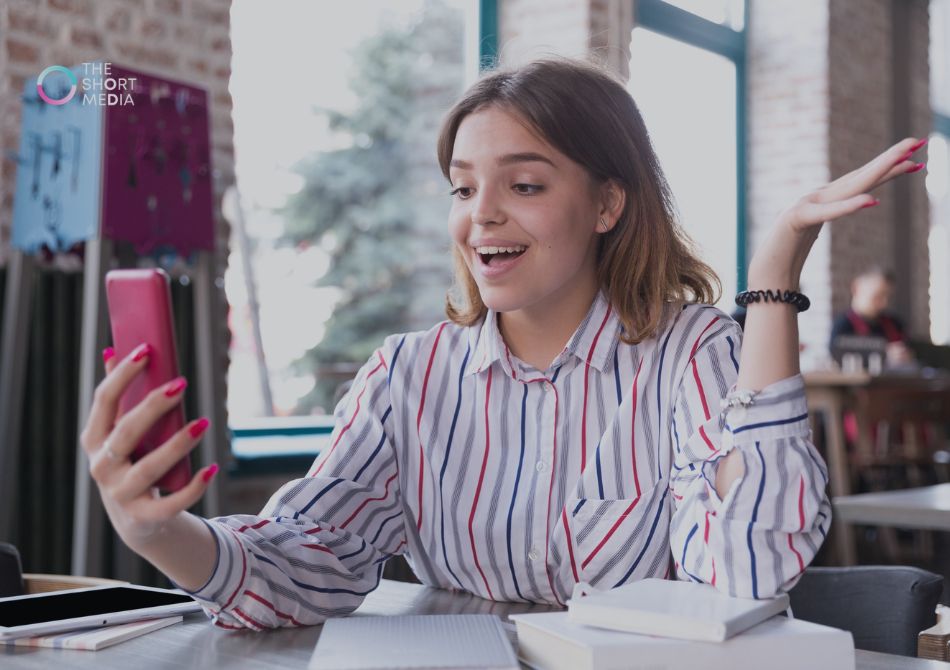
I’ve seen this happen more times than I can count: a brand spends weeks polishing a TikTok ad, gets the lighting right, adds slick motion graphics, clears every line with legal, and then wonders why it dies in the feed.
A rough product demo filmed on someone’s kitchen counter beats it by 3x.
Not always. But often enough that it should change how brands approach the platform.
That’s really the tension with TikTok. The ads that tend to work don’t usually announce themselves like ads. They feel closer to a recommendation, a test, a reaction, a tiny story, even a complaint being resolved on camera. When a tiktok ads agency understands that, performance usually gets better. When they don’t, you get expensive creative that people swipe past in half a second.
This isn’t about making low-quality content on purpose. It’s about making paid creative that belongs in the feed.
Why polished creative often loses on TikTok
A lot of brands still bring Instagram ad instincts into TikTok and hope for the best. You can see it immediately. The founder stares into camera and reads a script too perfectly. The product is introduced like it’s a TV spot. Every frame looks approved by six people. It feels careful. A little too careful.
TikTok users are pretty good at detecting when something has been overworked.
That doesn’t mean production value is bad. It means over-produced usually reads as less believable on this platform. I’ve seen beauty brands in the US spend real money on glossy tutorial-style ads, only to get outperformed by a creator filming in her bathroom mirror and saying, basically, “I thought this would be overhyped, but look at this.” Not elegant, but convincing.
The same thing happens with food brands. A clean studio pour shot might look nice, sure. But a creator opening the package in a real kitchen, spilling a little, laughing, then saying the flavor was better than expected? That often pulls stronger watch time and more comments. People stay because it feels like something they’d actually see from a person they follow.
Good tiktok advertising services usually build around that reality instead of fighting it.
What “doesn’t feel like an ad” actually means
It doesn’t mean hiding the product or pretending there’s no selling involved. People know sponsored content exists. They’re not confused.
What works is when the content earns attention before it asks for anything.
Sometimes that’s a fast visual payoff in the first second. A stain remover used on a white sofa. A fitness product being tested by someone who’s a little skeptical. A home gadget solving one annoying problem immediately. For Amazon products especially, the strongest TikTok ads often look like the kind of thing someone would post after finding a weirdly useful item at 11:30 p.m.
Other times it’s the tone. Less “here are our features,” more “I didn’t expect this part to matter, but it did.”
That shift sounds small. It isn’t.
A smart tiktok ads agency will usually frame the product around a moment, objection, or use case instead of a brand message. Comments are often where the real brief lives anyway. If people keep asking whether the product works on curly hair, in small apartments, with sensitive skin, on hardwood floors, that’s not noise. That’s creative direction.
And honestly, some of the best tiktok advertising services spend as much time reading comments as they do in ad manager.
The creative patterns I keep seeing work
There isn’t one winning format. Anyone promising that is oversimplifying it. Still, there are a few patterns that hold up across beauty, DTC, retail, local services, and even some pretty unglamorous products.
Creator-led demos still carry a lot of weight
Not because creators are magic. Because they know how to talk like normal people on camera.
The catch is when brands over-script them. You can hear it right away. The cadence gets weird. The creator stops sounding like themselves. I’ve watched solid creators tank perfectly decent offers because the brief forced them into “brand voice.”
For tiktok advertising services, one of the most useful skills is knowing when to leave the line alone. If a creator naturally says “I was convinced this would be gimmicky,” let them say that. Don’t rewrite it into something safer and less human.
Problem-solution works better when the problem is specific
“Get glowing skin” is vague. “My foundation kept separating around my nose by noon” is something a person has actually dealt with.
A fitness brand might do better showing how a compact walking pad fits into a small apartment than making broad claims about wellness. A home products brand might show pet hair trapped in one corner of a couch seam. Tiny detail, stronger ad.
This is where experienced tiktok advertising services tend to separate themselves from generic paid social teams. Specificity gives the viewer a reason to care.
Lo-fi often beats “brand safe”
I’ve seen retail launches where the official campaign assets looked expensive and underperformed, while a quick employee-shot video from the stockroom drove better click-through. Not glamorous. Real, though.
Same with local services. A med spa, HVAC company, cleaning business, even a dentist. If the ad feels like a local person explaining what actually happens, what it costs, and what people usually get wrong, it can work surprisingly well. Particularly when the hook sounds like something a receptionist hears every week.
That’s the kind of thinking a tiktok ads agency should bring to the table, especially if they’re handling brands in fast-moving markets like the UAE, where audiences are used to scrolling quickly and creative fatigue hits hard.
Why trend-chasing usually goes wrong
A lot of brands are late. That’s part of the problem.
They spot a trend after it’s already everywhere, spend 10 days getting approval, then publish it when users are fully done with it. You can almost feel the lag in the final ad. It’s trying to borrow relevance instead of creating its own.
I’m not saying trends never matter. They can help with framing, pacing, editing style, or opening language. But copying a trend too literally usually ages badly.
Better tiktok advertising services use trends as texture, not as the whole idea. A sound, a setup, a familiar editing beat. Fine. But the ad still needs a product truth at the center of it.
Otherwise it’s just cosplay with media spend behind it.
Media buying can’t save weak creative
This part gets ignored because it’s less fun to talk about.
You can have solid targeting, clean account structure, decent landing pages, and still get mediocre results if the creative doesn’t hold attention. On TikTok, weak hooks get punished quickly. So do videos that delay the payoff too long.
A lot of teams keep trying to optimize around a creative problem. New audience. New bid strategy. New campaign type. Sometimes the issue is simpler: the first two seconds aren’t interesting, or the demo doesn’t prove enough, or the creator sounds like they memorized every word.
A good tiktok ads agency won’t just ask for more budget. They’ll ask for more angles. More hooks. More ugly first drafts. More creator cuts that feel less rehearsed.
That’s usually where progress comes from.
What brands should ask for from tiktok advertising services
Not a giant deck full of trend screenshots. Not just monthly reporting either.
Ask how they source concepts. Ask whether they’re pulling from customer reviews, comments, support tickets, creator language, Amazon feedback, Reddit threads, store associate input, sales objections. That stuff is gold. A sales page rarely tells you what a buyer was nervous about right before purchasing. Comments do.
Ask how many hooks they test per offer. Ask how they brief creators without flattening their personality. Ask what they do when polished content loses to something scrappier. Because that will happen.
The better tiktok advertising services are usually less precious about creative. They don’t fall in love with the ad. They look at hold rate, thumbstop, click-through, conversion rate, and then make another version. Fast.
That speed matters.
A feed-first mindset usually wins
The brands doing well on TikTok tend to understand one basic thing: people didn’t open the app hoping to watch your campaign.
So the ad has to meet the feed where it is. Sometimes that means humor. Sometimes a useful demo. Sometimes a creator saying the quiet part out loud, like admitting they ignored the product for months before trying it. Those little moments matter because they feel observed, not manufactured.
That’s why tiktok advertising services that come from traditional ad backgrounds sometimes struggle at first. They’re used to controlling the message too tightly. TikTok usually rewards a bit more looseness, a bit more texture, a bit more real life.
Not sloppy. Just believable.
And if you’re hiring a tiktok ads agency, that’s probably the real question to ask: can they make paid content that feels native without making it feel accidental?
Because the ads winning right now usually don’t look like they were built in a boardroom. They look like someone had a reason to post them.
FAQs
Q1: Do TikTok ads really need to look homemade?
Not exactly. They need to feel native to the platform. A well-shot video can work great if it still moves like TikTok and doesn’t feel like a repurposed commercial.
Q2: Are creator ads always better than brand-made content?
No. I’ve seen in-house content outperform creator content plenty of times, especially when the team understands the product deeply. But creator-led ads tend to work well because the delivery feels less stiff.
Q3: How many creative variations should a brand test?
More than most teams think. One polished concept with three minor edits usually isn’t enough. You want different hooks, different angles, different people, and ideally different levels of polish too.
Q4: What should I look for in a tiktok ads agency?
Look for someone who talks about creative testing in a concrete way, not just media buying. If they can’t explain how they develop hooks, review comments, brief creators, and iterate fast, I’d keep looking.
Q5: Can tiktok advertising services help local businesses, or is this mostly for ecommerce?
Local businesses can do very well if the offer is clear and the content feels grounded. I’ve seen clinics, realtors, gyms, and service businesses get traction from simple videos that explain what people usually ask before booking.