
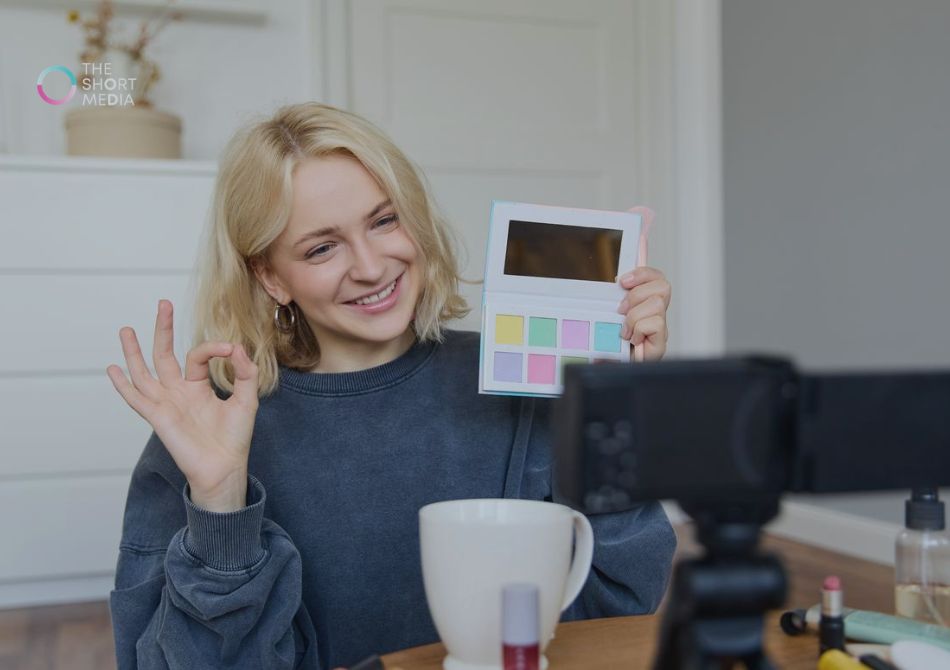
A founder once sent me two videos for the same product launch. One was a polished brand ad with clean lighting, tight edits, and a voiceover that had clearly been approved by six people. The other was a creator in her kitchen, opening the package with one hand, dropping the cap once, laughing, and then showing how she actually used it. Guess which one pulled better comments, better watch time, and cheaper conversions.
Not always the kitchen video, to be fair. But often enough that it stops being a fluke.
That’s the thing people miss when they talk about TikTok. They treat trust like a branding concept when it’s usually a format problem. On TikTok, people aren’t grading your production quality. They’re deciding, in about a second, whether this feels like something made for them or made at them.
And that distinction matters a lot if you’re spending money on advertising on tik tok, working with creators, or hiring a tiktok advertising agency to figure out why your polished campaign keeps getting ignored.
The trust gap is usually in the first three seconds
Most ads announce themselves too fast.
Not because they say “buy now,” necessarily. Sometimes it’s the tone. Sometimes it’s the camera angle. Sometimes it’s a creator who’s clearly reading a script and hitting every product talking point a little too cleanly. People can feel that. They may not articulate it, but they scroll anyway.
TikTok content tends to earn attention differently. It starts in the middle of something. A mess on the counter. A weird result. A side-by-side test. A complaint. A half-finished sentence. It feels like you walked into a real moment instead of being ushered into a sales pitch.
I’ve seen this with beauty brands constantly. A studio-shot serum ad with perfect skin and a licensed track might look expensive, but a creator filming under bathroom lighting and saying, “Okay, I didn’t think this would help my texture, but…” often gets stronger engagement. Not because the creator is more persuasive in some magical way. Because the setup feels less controlled.
People trust what looks interruptible.
Why polished creative often underperforms on TikTok
A lot of brands still bring Instagram ad instincts into TikTok and then wonder why results are shaky.
They’ll spend weeks refining a concept, matching it to brand guidelines, smoothing every rough edge. Then they launch and the comments tell the real story. Someone asks if the product pills under sunscreen. Another says the founder looks 19 and they want to hear from someone with actual acne scars. Someone else says the demo was too fast to understand. None of that was on the landing page. All of it mattered.
That’s one reason advertising on tik tok gets misunderstood. The platform doesn’t reward “finished” as much as it rewards “believable.” Those aren’t the same thing.
For a food brand, that might mean a quick creator clip of frozen dumplings crisping unevenly in a real air fryer. For a fitness product, it might be someone showing how awkward the setup was the first time, then how they fixed it. For home products, especially cleaning and storage, a before-and-after filmed in an actual messy apartment usually beats a spotless showroom. Every time? No. But enough.
And if you’re an Amazon brand, this matters even more. People shopping from TikTok often want proof that the thing works in a normal house, on a normal face, with normal expectations.
A tiktok advertising agency should understand comments, not just creatives
This is where I get a little opinionated.
A lot of agencies can make TikTok ads. Fewer really understand the social behavior around them. A decent tiktok advertising agency shouldn’t just hand over a batch of UGC-style videos and call it strategy. They should be reading comments, spotting objections, noticing which hooks are pulling low-intent curiosity versus buying intent, and feeding that back into the next round of creative.
Because trust on TikTok isn’t just built in the video. It’s built in the conversation around the video.
I’ve watched comments do more selling than the script did. Someone asks, “Does this work on thick hair?” and three customers answer before the brand even gets there. Or the opposite happens: the comments are full of skepticism because the creator made the product sound too perfect. That kind of over-selling kills momentum fast.
If you’re serious about advertising on tik tok, you need a team that treats comment sections like research, not cleanup.
Advertising on TikTok works better when the ad doesn’t feel isolated
The brands that struggle most usually treat paid and organic as separate worlds.
They post safe, slightly bland content on their brand account. Then they expect paid media to do all the heavy lifting with creator ads. The problem is that people click through. They check the profile. They look for signs of life. If the account feels empty, overdesigned, or weirdly corporate, trust drops.
This doesn’t mean every brand needs to become an entertainment channel. Honestly, some shouldn’t. A local service business in the UAE, for example, doesn’t need to dance around trends to make advertising on tik tok work. But they do need proof of reality: actual customer scenarios, staff on camera, quick answers to common questions, a little texture.
Same with retail launches. If a new beauty line hits stores in Dubai or Abu Dhabi, and all the paid creative is glossy but the organic feed has no swatches, no wear tests, no creator reactions, people notice the gap. It feels staged.
A good tiktok advertising agency will usually push for a content system, not just ad production. That’s a healthier way to work.
The “real person” effect is specific, not vague
People say TikTok feels authentic, but that word gets overused to the point of meaning nothing.
What actually creates trust is usually more concrete:
Imperfection that doesn’t look manufactured
Not fake messy. Real messy. A creator losing the lid. A dog barking in the background. A shirt changed halfway through a testimonial because they filmed a follow-up later. Little things like that can make content feel less rehearsed.
Of course, brands started copying this too, and now you sometimes see highly produced teams trying to imitate casual chaos. Audiences catch on pretty quickly.
Specificity over polished claims
“Helped with redness in four days” lands better than “revolutionary skincare solution.”
“Here’s how I packed this in a carry-on for a weekend trip” beats a generic product montage.
For advertising on tik tok, specific use cases tend to carry more weight than broad promises. Especially in categories where buyers have been burned before.
Visible product handling
People want to see how something opens, pours, fits, wipes, blends, sticks, folds, or survives being dropped. It sounds obvious, but a surprising number of ads still avoid the practical stuff in favor of mood shots.
A kitchen demo for a sauce brand can outperform a polished recipe reel because viewers can actually judge the texture. A home organizer filmed being assembled badly, then correctly, can build more confidence than a perfect final reveal.
What this means for brands spending real money
If you’re putting budget into advertising on tik tok, trust shouldn’t be treated like a soft metric. It shows up in hard numbers. Thumbstop rate. Watch time. Comment quality. Click-through rate. Conversion efficiency. Even refund rates, sometimes, when the ad oversells less.
That doesn’t mean every ad should look accidental. Some structure helps. Good editing helps. Clear offers help. But trust tends to go up when the content leaves room for reality.
That’s also why hiring a tiktok advertising agency can be useful, if they actually understand platform behavior and not just media buying dashboards. You want people who know when a trend is already stale, when a script sounds too approved, when a creator should improvise instead of memorizing lines, and when a product demo needs to slow down because viewers are confused.
I’ve seen brands join a trend two weeks too late and burn budget on creative that already felt old. I’ve seen a founder insist on removing a creator’s awkward opening line, only for performance to drop after the “cleaned up” version went live. And I’ve seen comments reveal the exact objection blocking sales: shipping time, shade match, battery life, ingredients, installation. Useful stuff. If you pay attention.
For UAE brands, trust has a local layer too
If you’re marketing in the UAE, this gets even more practical. People often want to know the basics fast: delivery speed, payment methods, language comfort, whether the product or service actually fits local routines.
So if you’re advertising on tik tok in the UAE, local context matters. A skincare brand may need creators who talk about heat, sun exposure, or makeup wear in humid conditions. A food business might do better showing actual delivery experience in Dubai Marina than a generic lifestyle montage. A home service brand should probably show the team arriving, the process, and the result, not just a flashy promo cut.
Trust is rarely abstract. Usually it’s tied to whether the content answers the quiet practical questions people already have.
FAQs
Q1: Why does TikTok content feel more believable than traditional ads?
Because it often looks less controlled. People can see how a product behaves in a real setting, and that matters more than polished lighting if they’re trying to decide whether to spend money.
Q2: Does that mean brands should stop making polished ads?
Not really. Polished creative still has a place, especially for retargeting, launches, or retail campaigns. It just tends to work better when it’s paired with content that feels more grounded and specific.
Q3: Is advertising on TikTok only effective for trendy products?
No. I’ve seen boring categories do well. Cleaning tools, posture devices, storage products, even local services. The trick is showing the actual use case instead of trying to make the product look cooler than it is.
Q4: What should a tiktok advertising agency actually help with?
Creative strategy, creator sourcing, testing structure, media buying, and comment analysis at minimum. If they only talk about CPMs and don’t care what people are saying under the ads, that’s a bit of a red flag.
Q5: How many creators should a brand test at once?
Usually more than one and fewer than twenty. For most brands, 3 to 8 creators is a reasonable place to start so you can compare hooks, delivery styles, and audience response without turning the whole thing into chaos.