
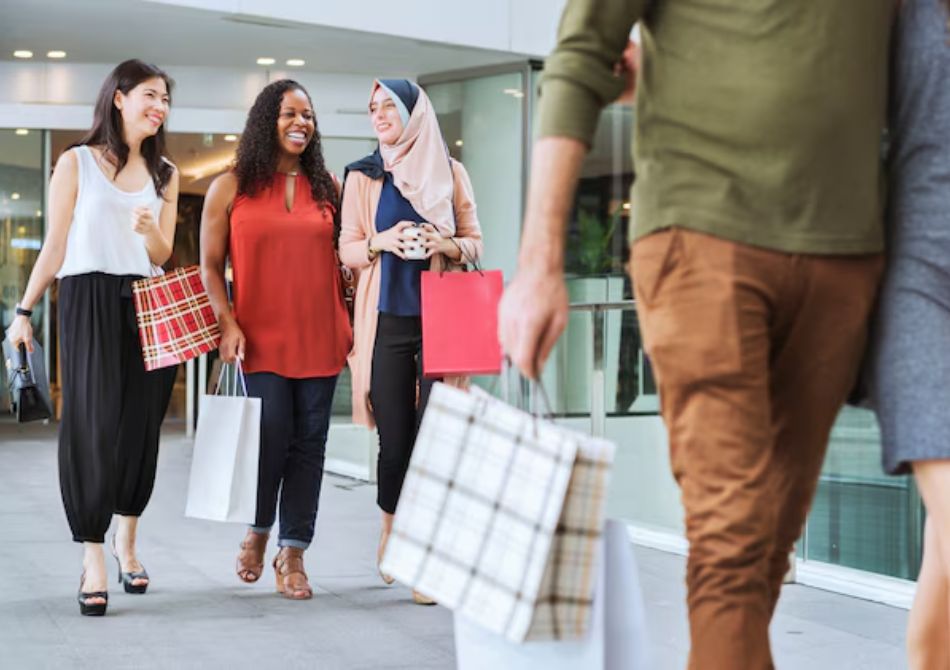
A modern TikTok marketing agency in the UAE is not about shooting videos; such agencies create immersive, interactive shopping worlds within the app that blur the line from discovery to engagement and conversion. Today's consumer wants more than static ads or sectioned-off e‑commerce portals; they want experiences that captivate, amuse, educate, and support buying in real time. In the UAE-a highly digital-savvy region with high mobile use, cultural multiplicity, and a liking for premium lifestyle experiences-immersive commerce is fast becoming the new retail standard.
Gone is the day when brands were focusing solely on visibility and impressions. Today, brand marketing on TikTok asks for deeper engagement with formats that create emotional connections, set products in context, and drive direct purchase behaviors-all in-app. This kind of transformation is powered by the commerce features of TikTok, new creative formats, and strategic orchestration of content by specialized agencies that understand both storytelling and data-driven optimization.
In this extended exploration, we examine:
- Why immersive shopping is growing in the UAE
- Formats for the Future of Shopping
- Why UAE consumers respond to immersive content
- How Brands Can Create Immersive Experiences
- Examples from leading UAE retailers
We have also included a real publicly available case study that shows immersive shopping strategies yield measurable results. By the end, you will understand not only the what and why of immersive shopping in the UAE but also how the brands can implement these strategies with the support of a TikTok marketing agency.
1. Why Immersive Shopping is Growing
The rise of immersive shopping in the UAE has not been an accident. It is actually the result of several trends converging: a tech‑forward population, high digital adoption, and a penchant for unique experiences that marry entertainment with utility.Tech-Savvy Population
- The UAE is among the most digitally connected regions in the world. With among the highest smartphone penetration rates in the world and constantly innovating mobile infrastructure, the digital interfaces form a core of everyday living.
- Residents are among the first to adopt new technologies, including social commerce features and AI enhancements within apps. The rapid adoption of TikTok has thus set an environment where short-form content not only entertains but drives purchase behavior, changing expectations on what shopping should feel like.
- This tech-forward mindset also means consumers expect instant gratification. They are comfortable with in-app purchasing, live interactive sessions, and even AR experiences that help bridge this sensory gap between the online discovery and real-world product interaction. Whereas traditional e-commerce once relied on static listings and search, immersive shopping has dynamic content at its heart-content that feels immediate and personal.
Appetite for Unique Experiences
- Consumption in Dubai and greater Emirates goes beyond just product consumption to the experience accompanied by that act of consumption-from luxury retail to lifestyle categories.
- There exists a cultural orientation towards premium, curated, unique offerings. Immersive shopping experiences on platforms like TikTok align with the cultural orientation: interactive livestreams hosted by creators, personalized augmented reality try-ons curated by brands, and shoppable videos embed narrative context that feels bespoke.
- This appetite for new experiences is particularly potent in the UAE due to the affluent and highly culturally diverse population. This is evident from the fact that consumers are attracted to globally aspirational and locally relevant experiences. TikTok brand marketing will have to balance both universal appeal and culturally relevant narratives in equal measure in order to make the most of this environment.
2. Formats Shaping the Future of Shopping
This is more than a theoretical trend; the rise of immersive shopping on TikTok in the UAE is being shaped by specific content formats and commerce mechanisms that change how brands connect with consumers. Below are three core formats defining immersive commerce on TikTok in the UAE:
AR Filters
- AR filters have moved beyond the fun visual effects to serve more functional purposes in commerce. For beauty, fashion, accessories, and even home goods, AR lets consumers visualize products within their context before purchase.
- A virtual try-on for sunglasses, a lipstick shade match, or jewelry preview can greatly reduce purchase hesitation by providing a simulated experience that feels real. This means it doesn't just increase engagement when a TikTok marketing agency uses AR filters but also increases the chances for conversions while taking away some of the uncertainty related to online shopping.
- Indeed, according to insights from various TikTok commerce experts, interactive AR experiences (such as virtual lipstick tests or jewelry placements) can increase the confidence of "try before you buy" among viewers, especially in combination with influencer content and live shopping formats. The seamless integration of AR and commerce within TikTok's ecosystem therefore entertains but directly supports transactional intent. The Short Media
Live Shopping
- Live shopping is one of the most immersive formats to change commerce around the world, and the UAE is no exception. These livestream shopping sessions convert passive viewing to active buying. Users interact with the host in real time, ask questions, see live product demos, and make a purchase-all in one seamless experience.
- Live shopping captures entertainment, social interaction, and urgency all together in a dynamic wherein consumers feel part of the event. This format for brands reduces friction across the purchase journey and creates data-rich interactions to inform future targeting and content optimization.
- The TikTok Shop ecosystem features options for making live shopping accessible to brands of all sizes, each one turning presenters and creators into real‑time sales facilitators. For immersive commerce in the UAE-where consumers value both social interaction and convenience-livestream shopping represents that critical bridge between engagement and revenue. The Short Media
Creator-Led Storefronts
- Creators are at the heart of immersive commerce: driving conversions as brand ambassadors and storytellers.
- In the UAE, where cultural context and community trust are key purchase drivers, creator‑led storefronts on TikTok let influencers handpick products to recommend in authentic ways and build personal commerce ecosystems that mesh with their content.
- The recommendations come with a lived experience that strikes a chord with UAE audiences. Combination storefronts, therefore, with creator narration and lifestyle contexts create immersive pathways that feel more personal than traditional advertising. When a shop link accompanies that creator endorsement, viewers move from engagement straight to a purchase-an immersive commerce hallmark.
- This shift elevates creators beyond being just content partners to being co‑architects of the commerce narrative of a brand, integral to driving discovery, trust, and action.
3. Why UAE Consumers Respond to Immersive Content
Immersive shopping will succeed because it plays to how UAE consumers think about shopping, storytelling, and digital experiences. Three core motivations underpin this receptivity:
Cultural Love for Storytelling
- Storytelling with poetry, oral history, and social narrative is a deep-seated tradition in Middle Eastern cultures.
- Immersive TikTok content plays on that cultural thread by framing a product within a larger narrative rather than an object in and of itself. A shoppable livestream that tells the story of how a product fits into day-to-day or an AR filter that "puts the user in the scene" makes commerce feel less transactional and more meaningful.
- This speaks to brand marketing on TikTok, where credibility and emotional connection are the keys to making your mark. Thus, immersive experiences of storytelling weave products into lifestyle moments organically rather than being forced and foster deeper engagement.
Desire for Premium Experiences
- UAE consumers often seek high-end experiences-be it in travel, fashion, hospitality, or retail.
- Immersive shopping provides a high-end moment within a channel already so very familiar to consumers: social media. Rather than interrupting with a static ad or redirecting to an e‑commerce site, immersive formats bring premium product interaction into the stream of discovery.
- From high-end fashion collections across digital runways to real-time demonstrations of tech accessories, the ability to weave storytelling into seamless interaction will meet heightened expectations for personalized experiences among UAE consumers.
High Trust in Creators
- Creators in the UAE and beyond often double as a source of trust in the digital ecosystem. Recommendations coming from them carry extra weight, especially when they share authentic use, context, and personal preference.
- Because immersive experiences often feature creators guiding viewers through product journeys-whether in AR, live, or in curated storefronts-trust becomes a structural advantage for brands.
- Trust speeds up purchase decisions. When a viewer sees a creator that they follow show them a product in an immersive format, the relatability and social proof that comes from that is what fuels both engagement and conversion. This trust is way more powerful than generic ad metrics and forms the backbone of effective TikTok brand marketing here in the UAE. Crivva
4. How Brands Can Build Immersive Experiences
But understanding why immersive shopping resonates is only half the equation; equally important is to implement strategies that make these experiences effective, engaging, and conversion-centric. Here are four proven approaches that UAE brands can use-often with support from a TikTok marketing agency:
Narrative-Driven Product Demonstrations
- Narrative-driven demos do more than just show the product; through story arc, they place it in context.
- For instance, a fashion retailer might put a garment into context with a visual day‑to‑night transition story, using visuals and creator commentary to bring its versatility to life.
- These demos work because they show how products fit into real life, not just what the products are. By threading storytelling with product highlights, brands can emotionally connect viewers before the transactional moment ever arrives.
Shop-Along Live Streams
- Live shopping is not a broadcast; it's a shared experience. Brands can partner with creators to deliver shop-along sessions, where they invite audiences to join in and ask questions-all while buying live.
- The best shop-along streams are designed around well-paced narrative segments, with obvious calls to action and interactive touchpoints-such as polls or limited time offers.
- Success in this format really requires careful planning: hosts need to be engaging, products need to show well, and conversion prompts feel natural rather than pressure-driven. When done right, live streams can become immersive destinations where community, entertainment, and commerce come together.
AR Try-Ons
- AR try-ons work particularly well for categories like beauty, fashion, eyewear, and accessories.
- Brands have launched AR filters that let users virtually try on products before buying-a distinct advantage in mobile environments where physical trials are impossible.
- These immersive tools reduce uncertainty as shoppers can better visualize products on themselves, bridging the sensory gap inherent in online shopping.
- Coupled with influencer demonstrations-in which creators show their own AR try‑on experiences-perceived value and purchase intent rise substantially.
5. Examples From UAE Retail Leaders
Immersive shopping is not a hypothetical concept; it's very real, and leading UAE brands are utilizing these formats to great effect. Examples across three key categories include the following:
Fashion
- Fashion brands in the UAE have integrated immersive shopping by creating live showcases, AR try‑ons, and collection lookbooks presented by creators.
- Harnessing stylists and influencers who describe how outfits work in real life, their product pages are becoming experience pages as these brands turn commerce into entertainment.
- Namshi's Ramadan TikTok campaign drove strong viewership in the region through daily fashion ideas, influencer content, and live Q&A; this ultimately drove a 23% uplift in referral traffic during the campaign period and positively impacted sales during an important shopping season. The Short Media
Perfume
- Traditionally a category based on senses, perfume has innovated with immersive formats.
- Brands use AR filters that create virtual smell associations-e.g., visual metaphors for fragrance notes-and host live streaming sessions in which creators describe their personal reactions and context.
- This closes the gap between browsing online and the in‑store scent experience perfumes usually rely on.
Accessorii Tech
- Immersive shopping through product walkthroughs, comparative demos, and live unboxings is especially great for tech and gadget accessories.
- Creators can showcase features in real-time, answer audience questions, and directly link to products on TikTok Shop.
- This format flips what would be a passive listing into an educational and interactive shopping journey that truly informs and converts.
Case Study: UAE Beauty Brand's AR and Live Strategy
- One of the most compelling real examples of immersive shopping in the UAE comes from a recent campaign in which a Dubai beauty brand partnered with a specialized TikTok agency to launch an AR filter and creator+live strategy.
Per publicly documented results:
- The brand designed an AR lipstick test filter that matched product colors to users' faces.
- They teamed up with a virtual influencer to drive engagement and ran a multi‑phase Spark Ad campaign targeting Arabic- and English-speaking Gen Z audiences.
- The campaign included a TikTok Live shopping session with real‑time incentives for viewers.
Results were striking:
- AR filter used more than 200,000 times
- Campaign reached 5.7 million views
- Brand saw a 3.2× return on ad spend (ROAS) within TikTok Shop
- Nearly half of customers cited virtual try‑on as their key driver for purchase. The Short Media
The case demonstrates how immersive tools-like AR and live commerce-when twinned with great brand marketing on TikTok can scale both engagement and conversions without dependency on traditional retail channels.
Conclusion
Immersive shopping is rapidly becoming the new retail standard in the UAE. As consumer expectations evolve toward experiences that are engaging, interactive, and seamless, brands that partner with a specialized TikTok marketing agency are best positioned to capitalize on immersive commerce. Whether through AR filters, live shopping, or creator‑led storefronts, immersive formats bridge the gap between discovery and purchase, turning passive viewers into active buyers.The key to success lies in storytelling, cultural resonance, and strategic execution. With the right approach, immersive shopping doesn’t just boost sales—it fortifies brand loyalty and creates memorable consumer experiences in an increasingly competitive market.
FAQs
1. What is immersive shopping on TikTok and why is it important for UAE brands?
Immersive shopping on TikTok refers to interactive formats that merge discovery, engagement, and purchase—such as AR try‑ons, live streams, and creator stores—that resonate with UAE’s tech‑savvy audiences and drive measurable commerce outcomes.
2. How can a TikTok marketing agency help build immersive shopping experiences?
A TikTok marketing agency designs narrative‑driven content, manages AR and livestream tech, selects relevant creators, and creates shop‑aligned strategies that transform engagement into conversion.
3. What formats are most effective for immersive shopping on TikTok?
Key formats include AR filters that enable virtual try‑ons, live shopping sessions with real‑time interaction, and creator‑led storefronts that contextualize products within relatable narratives.
4. Why do UAE consumers respond well to immersive commerce?
UAE shoppers value storytelling, premium experiences, and trusted creator recommendations—all of which immersive formats deliver by making commerce feel natural, engaging, and interactive.
5. Can small and medium‑sized brands in the UAE benefit from immersive shopping strategies?
Absolutely. Even smaller brands can leverage TikTok’s immersive tools and influencer partnerships to create compelling shopping experiences that convert, scale awareness, and build loyal audiences without requiring extensive traditional retail infrastructure.